A bathroom renovation should lead to improvements not only in its look — accessibility and functionality also matter. Carefully chosen frameless shower doors can visually expand the space while providing convenient access to the shower. However, striking glass elements alone cannot make an awkward layout practical. The most successful solutions combine suitable fixtures, coordinated materials, smart storage, and details that simplify everyday tasks.
Plan the Layout Around Daily Comfort
Ask yourself several questions before you choose colors or hardware. Where do you stand while drying off? Can drawers open without hitting nearby fixtures? Is there space to comfortably open the shower door? Simple questions can show where to begin.
A bathroom may look spacious. But that matters little if the shower door gets in the way of the vanity. Measure the available space — including the area you need to open cabinets and access towel holders. Imagine where a person will step out after showering. Does the entrance feel comfortable?
Look at features that can remain unchanged as well. Are the plumbing connections, tile, and vanity in good condition? Keeping them may simplify the project. You can replace an outdated enclosure, for example, to modernize the space — but preserve attractive wall finishes and avoid unnecessary structural work.
Choose a Shower That Looks and Works Right
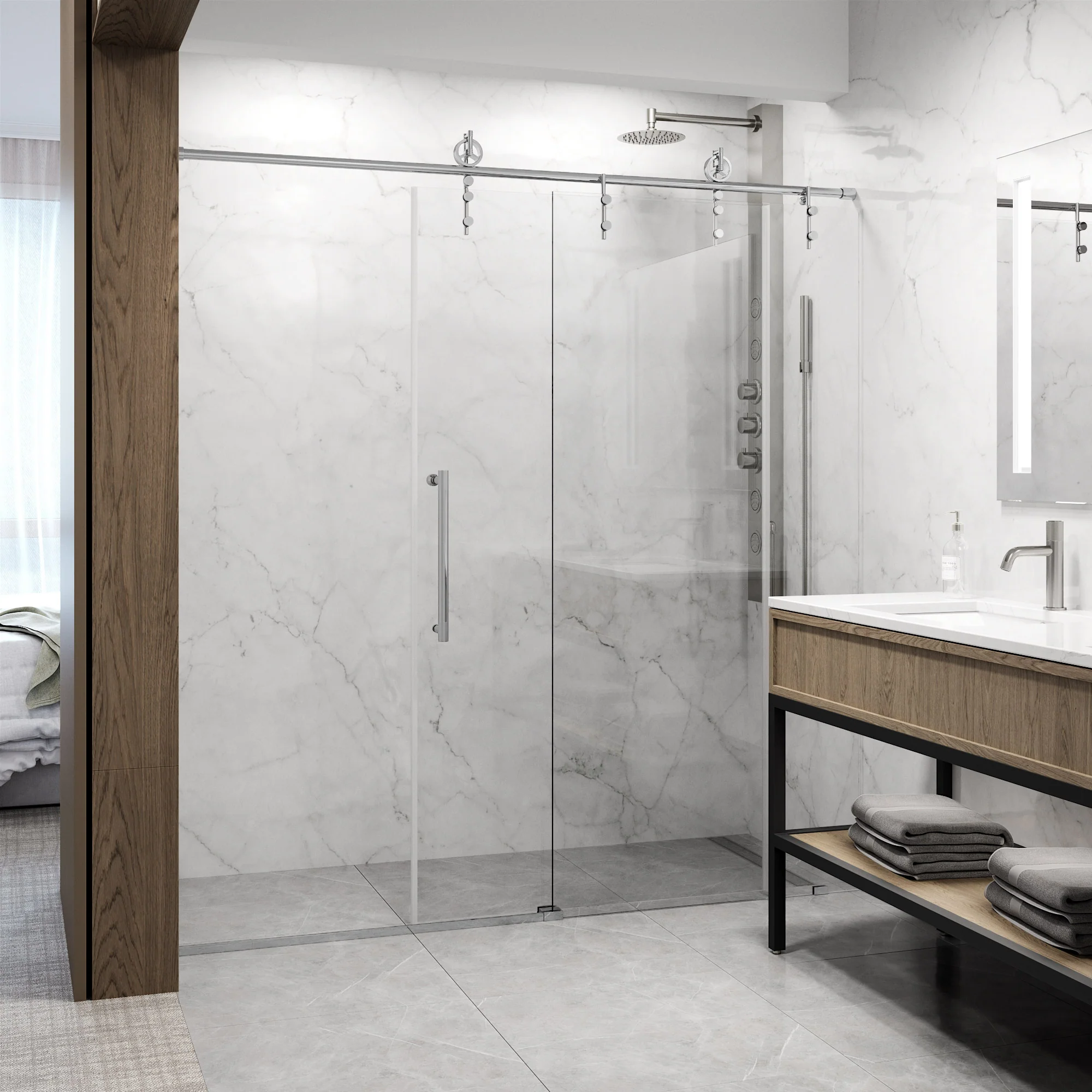
The shower is one of the largest features in a bathroom. Its glass, hardware, and opening mechanism matter for both appearance and everyday convenience. Transparent panels can make the space seem more expansive. But the chosen design must also align with the existing layout.
Go beyond the overall dimensions of the enclosure. The position of the showerhead, nearby fixtures, and the available space for entry can all determine which configuration will be the most convenient to use. It is important to think these details through at an early stage — to strike a balance between the aesthetics and functionality.
Understand Your Door Options
Frameless glass creates a cleaner visual transition between wet and dry areas. Minimal hardware lets attractive tilework remain visible; the selected metal finish can become a subtle decorative accent.
There are various types of shower doors in terms of the opening mechanism. For example, you can find sliding, hinged, and pivot models in different configurations in VIGO’s catalog. Such designs allow homeowners to explore options that suit their available space and preferred interior style — and to avoid complex decorative schemes.
Plan the position of the fixed glass panels and the direction of water flow before you choose an enclosure. If the showerhead points toward an unprotected opening, splashes are more likely to reach the bathroom floor. The chosen configuration should provide convenient entry and help keep moisture within the shower area.
A fixed panel can determine the optimal place for towels, shelves, and other accessories. It is important to plan these relationships to prevent the shower area from feeling cramped once installation is completed.
Check Practical Requirements
Even the most beautiful enclosure must be of appropriate dimensions and securely installed. There are some factors to examine before you choose a model:
- opening width — measure the shower entrance at the locations specified in the installation instructions;
- door movement — consider sliding designs for tighter layouts or hinged options where adequate clearance exists;
- glass specification — check the thickness, type, and safety information provided for the selected product;
- wall conditions — confirm that mounting surfaces offer suitable support and meet the manufacturer’s requirements;
- hardware finish — select metal details that coordinate with faucets, mirrors, and nearby bathroom accessories.
Such checks help avoid situations where an attractive design appears to be inconvenient for everyday use. Another rule: consider whether the selected door will allow easy access for cleaning and maintenance.
Coordinate Materials Without Losing Personality
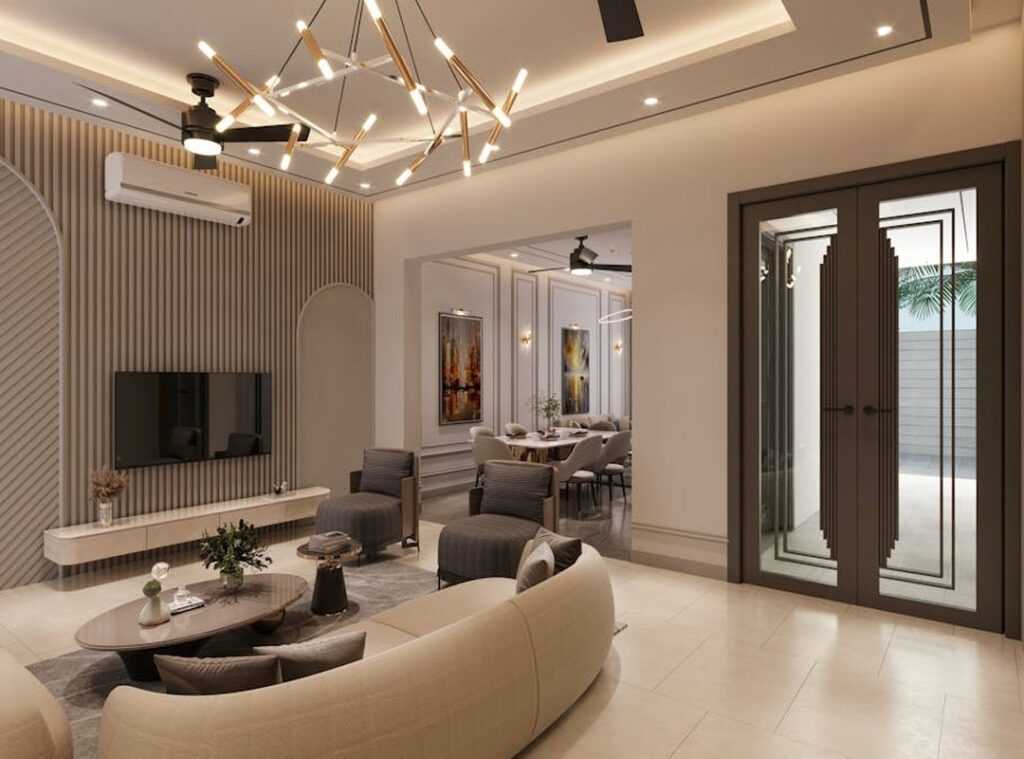
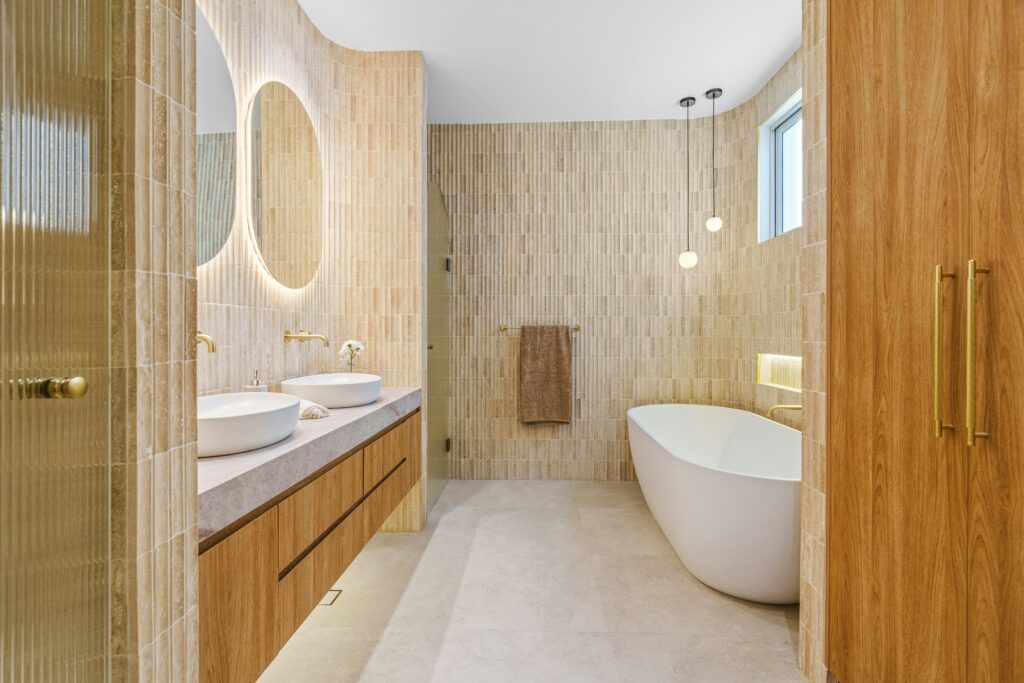
Modern bathrooms often feature a blend of contrasting surfaces. They do not rely on a single type of finish throughout the space. The smooth glass of a shower enclosure can balance out textured tile. Furniture with a natural grain can add warmth against a backdrop of cool stone.
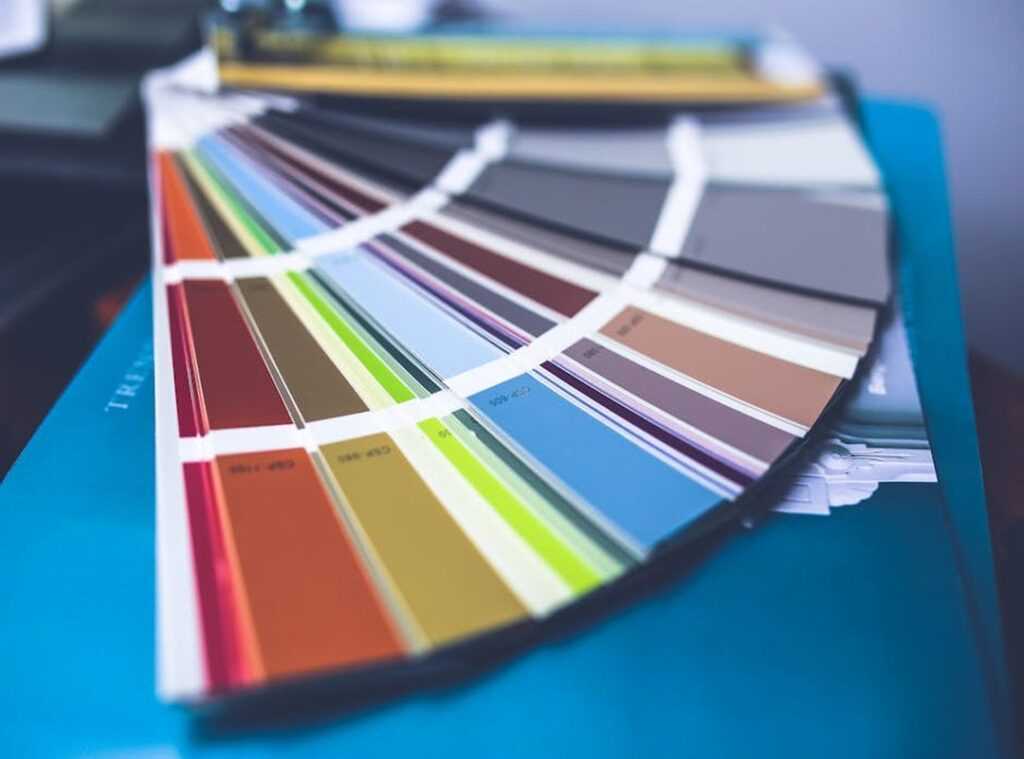
Start with a restrained color palette. Soft white, warm gray, and muted beige provide flexible backgrounds for matte black or chrome shower hardware. Repeat a metal finish of a visually prominent enclosure in a nearby faucet or mirror frame.
The vanity requires attention, too. A vessel sink can add sculptural forms to the interior; a matching faucet can tie the washbasin area to decorative elements in the shower.
VIGO’s bathroom collections, Designed in New York, include contemporary fixtures that support coordinated interiors. You don’t have to match everything exactly — you can choose a dominant finish and repeat it across a few selected elements.
Lighting also plays a vital role. It influences how these materials appear. Even illumination near the mirror adds comfort. Natural light can emphasize the transparency of glass panels. Avoid too many competing patterns — especially when the shower walls already feature distinctive tilework.
Make Storage and Accessibility Part of the Design
The most stylish bathroom should remain comfortable during a rushed morning and a quiet evening. Carefully planned storage and sensible placement of fixtures allow you to keep an elegant appearance without sacrificing convenience. This works even for small spaces. The tips below may help you when planning a revamp:
- floating vanity — create a lighter visual impression while preserving storage beneath the countertop;
- recessed shower niche — keep toiletries accessible without adding bulky organizers inside the enclosure;
- coordinated towel bars — position towels within easy reach and relate their finish to the shower hardware;
- drawer organizers — separate everyday essentials so the vanity stays tidy between uses;
- accessible controls — position shower handles conveniently, following the product’s installation guidance;
- clear floor space — maintain comfortable walking areas and avoid furniture that interferes with door movement.
This will create an organized appearance and smooth daily routines. Besides, your glass enclosure and other prominent fixtures will remain visually appealing.
Accessibility requirements vary by household. Appropriate entry width, slip-resistant flooring, and support features are important aspects to consider. Professional recommendations will help ensure that the changes align with the needs of people who will use this space.
Prepare for Installation and Long-Term Care
High-quality renovation depends on the right choice of materials and thorough preparation. Precise measurements, compatible components, and a clear mounting plan help avoid unnecessary complications. Some VIGO frameless shower door models offer adjustable installation ranges or reversible configurations. These features vary — confirm the permitted dimensions and mounting instructions for the exact product.
Maintenance is also an important aspect to consider during selection. Certain shower doors from VIGO feature ProtecGlass — an easy-clean technology developed to help resist water spots and stains. Check the specifications to confirm this treatment is included.
Use a squeegee on accessible glass surfaces and follow the manufacturer’s care recommendations. Abrasive tools or harsh chemical agents can damage the treated finishes — so choose cleaning products appropriate for each material.
It’s a feasible task to create a welcoming bathroom that is both contemporary and practical. A well-chosen shower enclosure, coordinated VIGO fixtures, thoughtfully planned storage, and suitable materials are what you need to achieve this balance.
 Founder & Creative Director
Brandon F. is the kind of writer who genuinely cannot publish something without checking it twice. Maybe three times. They came to home inspiration headlines through years of hands-on work rather than theory, which means the things they writes about — Home Inspiration Headlines, Interior Trends and Layout Ideas, Essential Living Concepts and Styles, among other areas — are things they has actually tested, questioned, and revised opinions on more than once.
That shows in the work. Brandon's pieces tend to go a level deeper than most. Not in a way that becomes unreadable, but in a way that makes you realize you'd been missing something important. They has a habit of finding the detail that everybody else glosses over and making it the center of the story — which sounds simple, but takes a rare combination of curiosity and patience to pull off consistently. The writing never feels rushed. It feels like someone who sat with the subject long enough to actually understand it.
Outside of specific topics, what Brandon cares about most is whether the reader walks away with something useful. Not impressed. Not entertained. Useful. That's a harder bar to clear than it sounds, and they clears it more often than not — which is why readers tend to remember Brandon's articles long after they've forgotten the headline.