
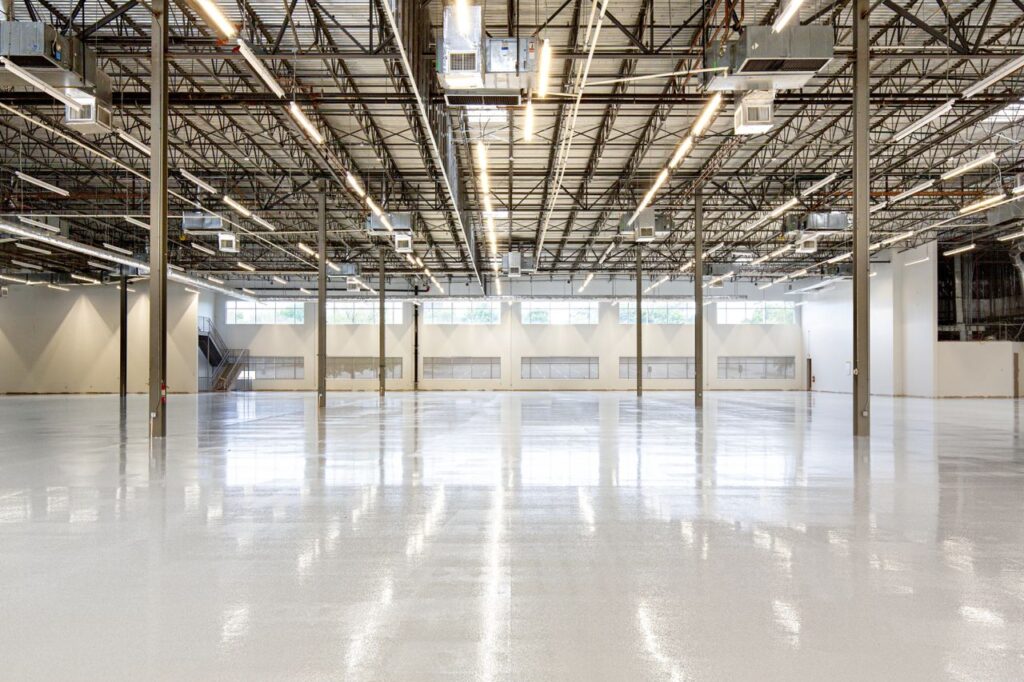
When chemists synthesized the first epoxy compounds in the late 1930s, no one could have imagined a mirror-like shine in garage bays or warehouses. During World War II, factories simply needed an ultra-strong adhesive capable of withstanding the rigors of aviation fuel. Much has changed since then. In addition, professional flooring installation services in Las Cruces, New Mexico, are increasingly being requested by both auto repair shop owners and pharmaceutical plant managers. The reason is simple: ordinary concrete without protection turns into a dust storm within a few months of active use. Properly installed industrial epoxy floors, on the other hand, form a monolithic shield that can withstand anything from heavy trucks to spilled solvents.
What Are Industrial Epoxy Floors, and How Do They Work?
Essentially, it’s just a standard mixture of resin and a special hardener. But as soon as you mix these two components, a vigorous chemical reaction begins. The liquid mass literally seeps into the tiniest pores of the concrete and hardens there into a solid, monolithic slab.
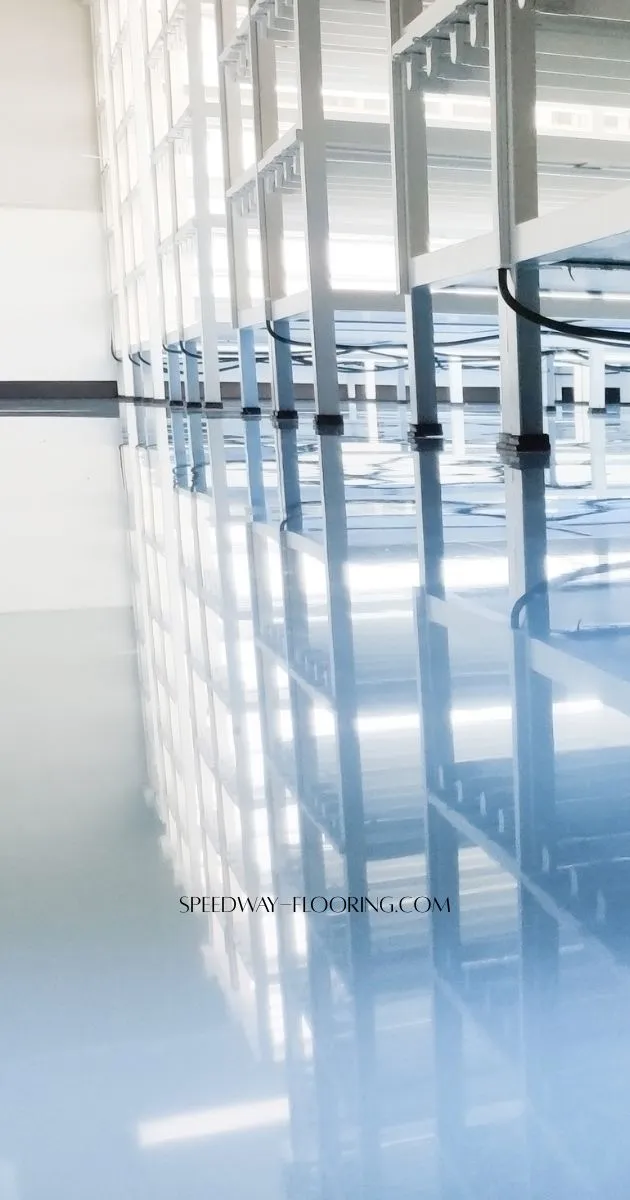
When does such a solution become absolutely indispensable?
Modern commercial epoxy coatings have quickly become the top choice, and their range of applications is impressive:
- Auto Repair Shops and Parking Lots. Places where brake fluid, hot oil, and residue from tire chemicals drip onto the floor every day.
- Logistics Centers and Warehouses. Spaces where heavy forklifts travel along the same path hundreds of times a day.
- Food and Pharmaceutical Production Facilities. Locations with strict hygiene requirements, where there must be no gaps where bacteria can multiply.
The Undeniable Advantages of Epoxy Floors
You’ll notice the benefits immediately after curing. First, you’ll never have to worry about concrete dust again—the kind that damages equipment and harms workers’ lungs. Second, this industrial epoxy coating reflects up to 80% of light, allowing for significant savings on electricity in work bays. Cleaning takes just a few minutes: a simple wet mop restores the surface to its original condition.
Is It Possible to Apply an Epoxy Coating Yourself?
It would seem like a simple task: buy a bucket at a home improvement store, pour it on, roll it out with a roller—and you’re done. However, reality quickly shatters those DIY illusions. Cheap water-based paints peel off the concrete as soon as a car with hot tires parks on them. To create truly durable industrial epoxy coatings, you need the right approach:
- Deep Grinding. The concrete must be exposed using heavy-duty diamond grinding machinery, not just washed.
- Moisture Control. If the floor’s moisture content exceeds 4%, the resin will delaminate within a month.
- Precise Timing. Once mixed, the two-component resin remains usable in the bucket for no more than 15–20 minutes. If you take too long, you’ll have to throw away the expensive material.
Who Should Be Entrusted with Contract Work
Experimenting with flooring is expensive. That is why installing an industrial epoxy floor should be entrusted to specialists with professional equipment and the proper skills. When choosing a team, be sure to pay attention to technical details. Reliable contractors always check the strength of the slab with a sclerometer and use moisture meters even before preparing a quote. They offer certified professional epoxy coatings and have industrial vacuum cleaners and grinders in their arsenal—not to mention their professional certifications and customer reviews.
Thinking about renovating your floor in New Mexico? Order epoxy coating services from the experienced professionals at Speedway Flooring. They’ll thoroughly assess the condition of your facility, select the exact thickness needed for your specific load requirements, and transform dull concrete into durable industrial epoxy floors that will last for decades without needing repairs.
 Head of Interior Trends & Concepts
Wayne L. is the kind of writer who genuinely cannot publish something without checking it twice. Maybe three times. They came to hidden gems through years of hands-on work rather than theory, which means the things they writes about — Hidden Gems, Everyday Home Optimization Tips, Essential Living Concepts and Styles, among other areas — are things they has actually tested, questioned, and revised opinions on more than once.
That shows in the work. Wayne's pieces tend to go a level deeper than most. Not in a way that becomes unreadable, but in a way that makes you realize you'd been missing something important. They has a habit of finding the detail that everybody else glosses over and making it the center of the story — which sounds simple, but takes a rare combination of curiosity and patience to pull off consistently. The writing never feels rushed. It feels like someone who sat with the subject long enough to actually understand it.
Outside of specific topics, what Wayne cares about most is whether the reader walks away with something useful. Not impressed. Not entertained. Useful. That's a harder bar to clear than it sounds, and they clears it more often than not — which is why readers tend to remember Wayne's articles long after they've forgotten the headline.