
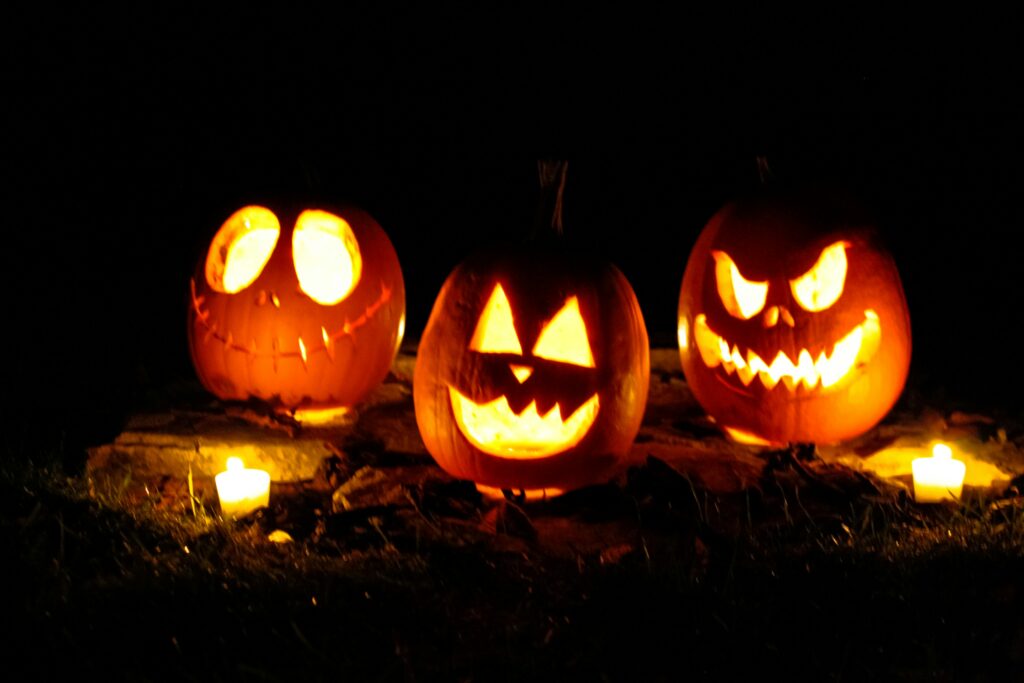
Halloween brings a welcome burst of creativity into the home, from carved pumpkins on the porch to candy bowls waiting by the door. Yet the same elements that make the season enjoyable can also create conditions that attract unwanted pests if households aren’t paying attention. Sticky candy wrappers, decomposing pumpkin flesh, and cardboard decorations pulled from storage can all become hidden invitations for ants, cockroaches, and rodents. The good news is that families don’t have to choose between festive fun and a clean, pest-aware home. With a few thoughtful habits, Halloween celebrations can stay lively indoors while keeping pest activity to a minimum.
Indoor Activities That Bring the Halloween Spirit Home
Not every Halloween tradition has to happen outdoors or involve large gatherings. Many of the most memorable family activities take place right at the kitchen table. Pumpkin painting, for instance, offers a mess-friendly alternative to carving, since paint doesn’t create the exposed, moisture-rich surface that attracts fruit flies and gnats. Baking Halloween-themed treats together is another favorite, though it works best when ingredients are used promptly and surfaces are wiped down immediately afterward.
Coloring activities remain one of the simplest and most effective ways to keep children entertained without adding clutter to the home. A colorful halloween treat thrasher and pests free haunted coloring page is a good example of this kind of activity. It gives kids a chance to engage with spooky, imaginative artwork while requiring nothing more than paper and crayons, meaning there’s no food residue, no packaging waste, and no need to bring anything questionable into the house. Compared to activities involving edible props or elaborate craft materials, coloring pages leave behind far less potential for pest attraction.
Why Halloween Décor and Snacks Can Attract Pests
Understanding why pests show up during Halloween season helps explain why prevention matters so much. Cockroaches and ants are drawn to sugar and starch, both of which are abundant during Halloween thanks to candy, baked goods, and pumpkin flesh. According to general pest management research, even small amounts of food residue left on surfaces can sustain an ant colony’s foraging trail for days. Rodents, meanwhile, are opportunistic and will investigate cardboard boxes, fabric decorations, and storage bins that have been sitting untouched for months, since these materials often provide both shelter and nesting material.
Carved pumpkins present a particular challenge. Once cut open, a pumpkin begins to decompose almost immediately, and the exposed flesh becomes a magnet for fruit flies, gnats, and even larger scavenging pests if left outside too long. A colorful halloween treat thrasher pests free haunted coloring page can actually serve as a smart substitute for families wanting to limit the number of perishable decorations in and around the home while still keeping the season colorful and engaging for children.
Practical Ways to Prevent Pest Problems This Season
Fortunately, most pest prevention during Halloween comes down to a handful of consistent habits rather than any drastic changes to holiday traditions. Homeowners who build these small steps into their seasonal routine tend to see far fewer pest issues once the celebrations wind down.
- Store leftover candy in airtight, sealed containers rather than leaving it in open bowls or torn bags overnight.
- Dispose of carved or decorative pumpkins within a week of carving, especially once they begin to soften or develop mold.
- Inspect cardboard decorations, fabric props, and storage bins for signs of nesting or droppings before bringing them indoors from the garage or attic.
- Clean up thoroughly after Halloween parties, paying close attention to crumbs under furniture and spilled drinks on countertops.
- Seal cracks or gaps near doors and windows where seasonal decorations are displayed, since these openings can also serve as entry points for pests.
These steps take only a few extra minutes but can meaningfully reduce the likelihood of an infestation taking hold during a season when homes are naturally busier and messier than usual.
Keeping Storage Areas Organized Before and After Halloween
Attics, basements, and garages often serve as long-term storage for Halloween decorations, and these spaces can quietly become pest hotspots if left unchecked. Cardboard boxes, in particular, are appealing to rodents and certain insects because the material is easy to chew through and provides insulation. Before packing decorations away for next year, it helps to switch from cardboard to plastic storage bins with secure lids, since this simple change removes a common nesting material from the equation entirely.
It’s also worth inspecting decorations for food residue before storage. Fake candy props, fabric pumpkins used in centerpieces, or reusable treat bowls can sometimes carry sugar residue that isn’t visible at first glance. Wiping these items down before they go back into storage prevents them from attracting pests during the eleven months they sit untouched. Labeling bins and organizing them off the floor on shelving also reduces moisture exposure, which in turn limits the conditions that many pests rely on to thrive indoors.
When Professional Pest Support Makes Sense
Most Halloween-related pest concerns can be managed through everyday cleaning and storage habits, but there are times when professional input becomes worthwhile. If a household notices recurring ant trails, droppings near stored decorations, or a persistent cockroach presence despite consistent cleaning, it may indicate an existing infestation rather than a seasonal nuisance. Pest control professionals can identify entry points and nesting areas that aren’t always obvious to homeowners, particularly in older homes or properties with extensive attic and basement storage.
Recognizing the difference between a minor seasonal issue and a more established pest problem allows homeowners to respond appropriately rather than assuming all pest activity will resolve on its own once the holiday ends.
Key Takeaways
Halloween doesn’t have to be a trade-off between festive fun and a clean, pest-free home. Indoor activities such as pumpkin painting, baking, and coloring pages allow families to enjoy the season without introducing unnecessary clutter or food waste into the house. By storing candy properly, disposing of pumpkins promptly, inspecting decorations before bringing them indoors, and keeping storage areas organized, households can significantly reduce the conditions that attract ants, cockroaches, and rodents. With a bit of seasonal mindfulness, Halloween can remain a comfortable, enjoyable time for the whole family, free from the added stress of unwanted pest activity.
 Head of Interior Trends & Concepts
Wayne Lewisignest is the kind of writer who genuinely cannot publish something without checking it twice. Maybe three times. They came to hidden gems through years of hands-on work rather than theory, which means the things they writes about — Hidden Gems, Everyday Home Optimization Tips, Essential Living Concepts and Styles, among other areas — are things they has actually tested, questioned, and revised opinions on more than once.
That shows in the work. Wayne's pieces tend to go a level deeper than most. Not in a way that becomes unreadable, but in a way that makes you realize you'd been missing something important. They has a habit of finding the detail that everybody else glosses over and making it the center of the story — which sounds simple, but takes a rare combination of curiosity and patience to pull off consistently. The writing never feels rushed. It feels like someone who sat with the subject long enough to actually understand it.
Outside of specific topics, what Wayne cares about most is whether the reader walks away with something useful. Not impressed. Not entertained. Useful. That's a harder bar to clear than it sounds, and they clears it more often than not — which is why readers tend to remember Wayne's articles long after they've forgotten the headline.
Head of Interior Trends & Concepts
Wayne Lewisignest is the kind of writer who genuinely cannot publish something without checking it twice. Maybe three times. They came to hidden gems through years of hands-on work rather than theory, which means the things they writes about — Hidden Gems, Everyday Home Optimization Tips, Essential Living Concepts and Styles, among other areas — are things they has actually tested, questioned, and revised opinions on more than once.
That shows in the work. Wayne's pieces tend to go a level deeper than most. Not in a way that becomes unreadable, but in a way that makes you realize you'd been missing something important. They has a habit of finding the detail that everybody else glosses over and making it the center of the story — which sounds simple, but takes a rare combination of curiosity and patience to pull off consistently. The writing never feels rushed. It feels like someone who sat with the subject long enough to actually understand it.
Outside of specific topics, what Wayne cares about most is whether the reader walks away with something useful. Not impressed. Not entertained. Useful. That's a harder bar to clear than it sounds, and they clears it more often than not — which is why readers tend to remember Wayne's articles long after they've forgotten the headline.