
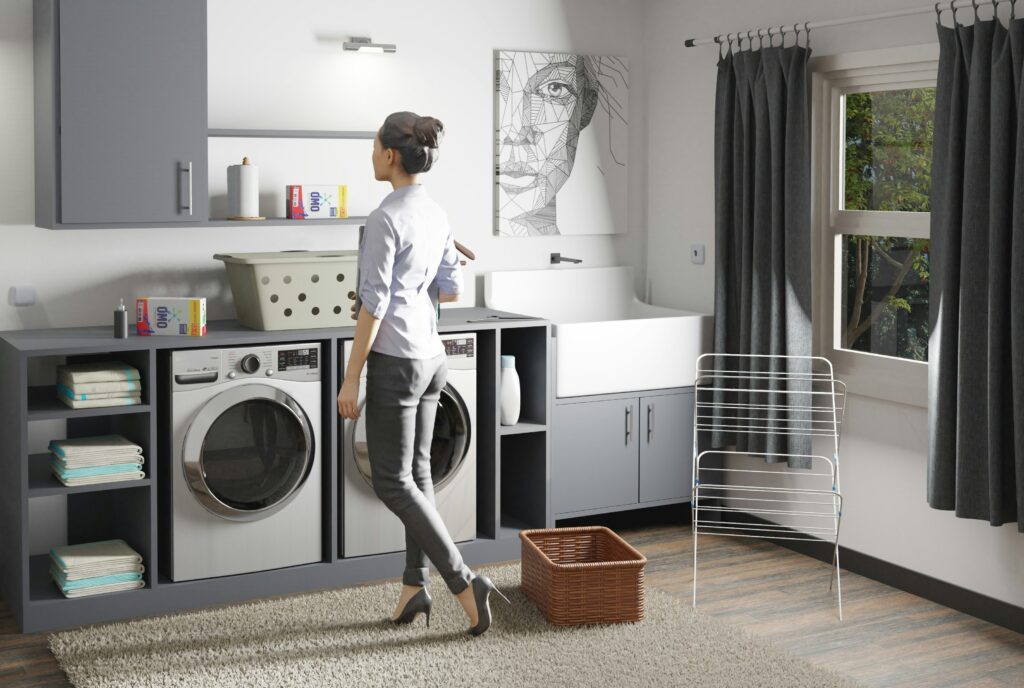
Most homeowners think of the kitchen or basement as the likely spots for pest trouble. The laundry room rarely crosses anyone’s mind, yet it quietly offers everything certain pests need to thrive. Warmth, moisture, food residue in the form of lint, and appliances that sit untouched for months create an environment that many insects and rodents find hard to resist. Understanding why this happens is the first step toward keeping the space clean and pest-free.
The Hidden Appeal of Warmth and Moisture
Washing machines and dryers generate heat during operation, and that heat lingers in the surrounding air long after a cycle ends. Combine this with the humidity produced by washing, drying, and occasional condensation on pipes, and you get a microclimate that mimics the damp, warm hiding spots many pests seek out in nature. Silverfish, for instance, are drawn to humid, dark corners and can often be found near baseboards or behind appliances where moisture collects. Cockroaches share a similar preference, favoring warm, moist environments where they can stay hidden during the day and forage at night.
Lint Buildup as an Overlooked Food Source
Lint might seem harmless, but it accumulates in vents, behind machines, and inside the small gaps where dryer hoses connect to the wall. This buildup is more than a fire hazard, which is well documented by fire safety agencies. It also serves as nesting material for insects and even small rodents. Silverfish are known to feed on cellulose-based materials, and lint fits that description closely. When lint collects undisturbed for weeks or months, it becomes an attractive resource for pests looking for shelter and something to chew on.
Plumbing Connections and the Pest Pathways They Create
Every laundry room relies on plumbing lines to bring water in and drain it out, and these connections often pass through walls or floors with small gaps around them. Even a narrow opening, sometimes just a few millimeters wide, can be enough for ants or young rodents to squeeze through. Pipes themselves can also act as highways, giving pests a direct route from outside soil or crawl spaces into the interior of the home. This is one of the more overlooked entry points that professionals like BHB Pest Control frequently identify during inspections, since homeowners rarely think to check behind or beneath their washer and dryer.
How Small Leaks Quietly Invite Bigger Problems
A washing machine hose that has developed a slow drip may not seem urgent, especially if the leak is minor and the water evaporates before pooling visibly. However, that steady moisture seeping into the wall or floor behind the appliance creates a self-sustaining damp zone. Over time, this can lead to mold growth, warped flooring, and a magnet for moisture-loving pests. Roaches in particular can survive for extended periods without food but require regular access to water, making a hidden leak an ideal, uninterrupted water source. Catching these leaks early is one of the most effective ways to prevent a slow, unnoticed infestation from developing. This is a point pest control experts often emphasize when discussing preventative maintenance, since the fix is usually simple compared to the cost of remediating a full pest problem later.
Dryer Vent Gaps and Outdoor Access
Dryer vents connect directly to the exterior of the home, and the seal around this opening is not always airtight. Weather stripping degrades over time, and vent covers can become bent or damaged, leaving small gaps that pests use as an entry point. Rodents are particularly skilled at squeezing through openings barely larger than a coin, and a dryer vent with a compromised flap or missing cover can serve as an open invitation. Ants, too, will follow scent trails through these gaps if food residue or moisture is present nearby.
Practical Steps to Reduce Pest Activity
Preventing pest problems in a laundry room does not require major renovations. A few consistent habits go a long way toward keeping the space unappealing to unwanted visitors.
- Check washing machine hoses every few months for cracks, bulges, or slow leaks, and replace them proactively rather than waiting for failure.
- Clean lint from the dryer trap after every load, and periodically clear lint that accumulates behind and beneath the machine.
- Seal gaps around pipes, vents, and utility openings using appropriate caulk or expanding foam to block potential entry points.
- Improve ventilation in the laundry area to reduce residual humidity, using a vent fan or dehumidifier if the room lacks windows.
- Move appliances periodically to inspect the floor and wall behind them, since these areas are easy to neglect during routine cleaning.
These steps address the core conditions that draw pests in: moisture, food debris, and unnoticed access points. Consistency matters more than intensity, since even small lapses in maintenance can allow conditions to shift back in favor of pest activity.
When Professional Help Becomes Necessary
Despite consistent maintenance, some infestations are difficult to fully resolve without expert intervention, particularly when pests have established nesting sites within wall cavities or beneath flooring. In these situations, a thorough inspection can identify entry points and conditions that are not visible during a standard cleaning routine. Professionals bring tools and experience that allow them to trace pest activity back to its source, rather than simply treating the visible symptoms.
Final Analysis
Laundry rooms are easy to overlook, yet they combine nearly every condition pests look for: warmth, humidity, hidden food sources, and quiet, undisturbed corners. Recognizing these risk factors allows homeowners to address problems before they escalate. Simple, regular maintenance, paired with attentiveness to small leaks or gaps, can keep this often-neglected space from becoming a hidden pest magnet. When issues persist despite reasonable effort, seeking a professional evaluation ensures the underlying causes are properly identified and addressed.
 Founder & Creative Director
Kylor Dornhaven is the kind of writer who genuinely cannot publish something without checking it twice. Maybe three times. They came to home inspiration headlines through years of hands-on work rather than theory, which means the things they writes about — Home Inspiration Headlines, Interior Trends and Layout Ideas, Essential Living Concepts and Styles, among other areas — are things they has actually tested, questioned, and revised opinions on more than once.
That shows in the work. Kylor's pieces tend to go a level deeper than most. Not in a way that becomes unreadable, but in a way that makes you realize you'd been missing something important. They has a habit of finding the detail that everybody else glosses over and making it the center of the story — which sounds simple, but takes a rare combination of curiosity and patience to pull off consistently. The writing never feels rushed. It feels like someone who sat with the subject long enough to actually understand it.
Outside of specific topics, what Kylor cares about most is whether the reader walks away with something useful. Not impressed. Not entertained. Useful. That's a harder bar to clear than it sounds, and they clears it more often than not — which is why readers tend to remember Kylor's articles long after they've forgotten the headline.
Founder & Creative Director
Kylor Dornhaven is the kind of writer who genuinely cannot publish something without checking it twice. Maybe three times. They came to home inspiration headlines through years of hands-on work rather than theory, which means the things they writes about — Home Inspiration Headlines, Interior Trends and Layout Ideas, Essential Living Concepts and Styles, among other areas — are things they has actually tested, questioned, and revised opinions on more than once.
That shows in the work. Kylor's pieces tend to go a level deeper than most. Not in a way that becomes unreadable, but in a way that makes you realize you'd been missing something important. They has a habit of finding the detail that everybody else glosses over and making it the center of the story — which sounds simple, but takes a rare combination of curiosity and patience to pull off consistently. The writing never feels rushed. It feels like someone who sat with the subject long enough to actually understand it.
Outside of specific topics, what Kylor cares about most is whether the reader walks away with something useful. Not impressed. Not entertained. Useful. That's a harder bar to clear than it sounds, and they clears it more often than not — which is why readers tend to remember Kylor's articles long after they've forgotten the headline.