
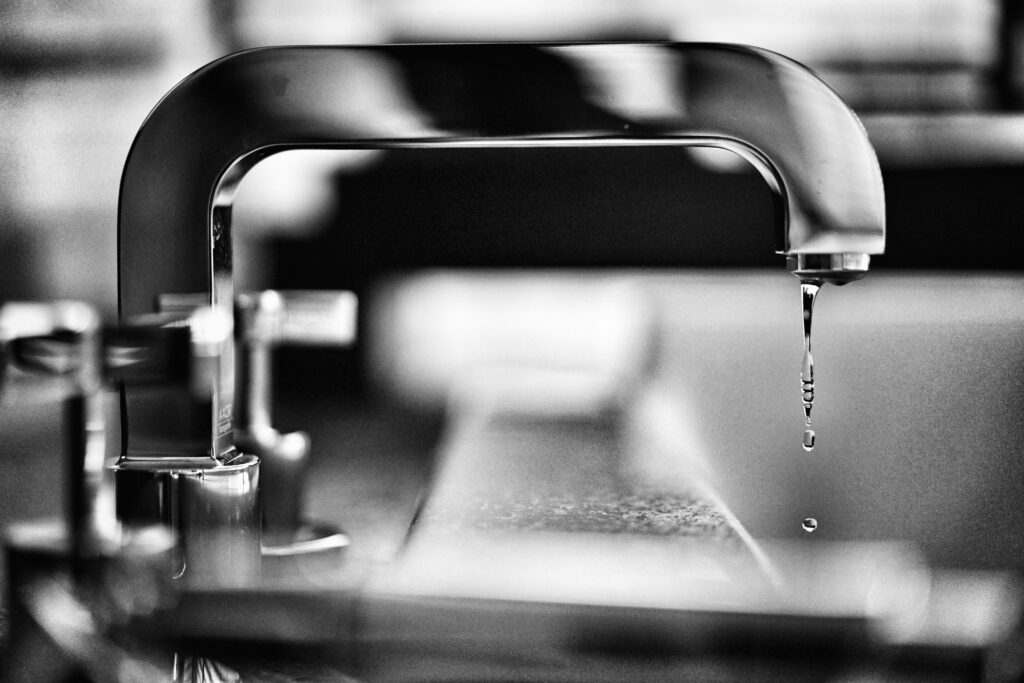
Most homeowners don’t think about their plumbing until something goes wrong. A slow drain, strange smell, or dripping faucet may seem harmless, but these signs can sometimes point to a bigger problem.
Knowing what to watch for can help homeowners deal with plumbing issues before they become expensive repairs.
1. Drains That Keep Getting Clogged
An occasional clogged drain is normal. Hair, grease, food particles, and soap can all cause blockages.
However, if the same drain keeps clogging after you’ve cleared it, there may be a deeper issue inside the pipe. Heavy buildup or tree roots can restrict water flow and cause recurring blockages.
Instead of repeatedly using drain cleaners, it’s better to find out what’s causing the problem.
2. Several Slow Drains
One slow drain may not be a major concern. But when your kitchen sink, bathroom sink, and shower all begin draining slowly, pay attention.
Multiple slow drains can indicate a blockage farther down the main drainage line. If you also notice bubbling, unpleasant smells, or water backups, the problem may require professional attention.
3. Strange Smells From Drains
Your drains shouldn’t have a persistent sewage-like smell.
Sometimes odors come from food, grease, or debris trapped inside a drain. But if cleaning doesn’t solve the problem, there could be an issue with the sewer line, plumbing trap, or drainage system.
If the smell keeps returning, High Speed Rooter & Plumbing can help homeowners identify problems involving drains, sewer lines, and other parts of the plumbing system.
Rather than covering the smell with air fresheners, it’s better to find and fix the source.
4. Water Backing Up
Dirty water coming back through a sink, shower, or bathtub is a warning sign.
For example, water might rise in the bathtub when the washing machine is running. Wastewater may also appear in a sink after flushing the toilet.
These problems can indicate a blockage in the drainage system. If backups keep happening, they should be addressed quickly to reduce the risk of water and property damage.
5. Gurgling Toilets or Drains
Have you ever flushed the toilet and heard a nearby drain gurgle?
Occasional sounds aren’t necessarily serious, but repeated bubbling or gurgling can mean air is trapped in the pipes because water isn’t flowing properly.
If unusual sounds happen along with slow drains or backups, it’s worth having the plumbing checked.
6. A Sudden Increase in Your Water Bill
If your water usage hasn’t changed but your bill suddenly increases, a hidden leak could be responsible.
Leaks can occur around faucets and toilets, but they can also develop behind walls, beneath floors, or underground. A small leak may not seem like a big deal, but over time, it can waste a surprising amount of water, as the EPA’s WaterSense program points out.
Check visible fixtures first. If you can’t find the source, consider having the plumbing system inspected.
7. The Same Problem Keeps Returning
Repeated plumbing problems are often a sign that the underlying cause hasn’t been fixed.
If a drain constantly clogs or a sewer line repeatedly backs up, the issue could involve tree roots, pipe buildup, damaged piping, or another problem inside the system.
Tools such as sewer cameras can help identify what’s happening inside a pipe, while hydro jetting can remove stubborn buildup.
When Should You Call a Plumber?
Not every plumbing issue requires an emergency visit. A minor faucet leak may be easy to fix.
However, recurring clogs, sewage smells, repeated backups, unexplained water usage, and multiple slow drains shouldn’t be ignored. Getting the problem checked early can help prevent bigger repairs later.
Final Thoughts
Your plumbing system often gives you warning signs before a serious problem develops. Paying attention to unusual smells, sounds, backups, and recurring clogs can help you catch problems early.
When the same issue keeps returning, don’t simply treat the symptom. Finding the underlying cause can save you time, money, and a lot of frustration.
Frequently Asked Questions
1. How often should plumbing be inspected?
It depends on the age and condition of your home. Older properties or homes with recurring problems may benefit from more frequent inspections. If you notice leaks, backups, or unusual sounds, consider getting the system checked.
2. Are recurring drain clogs a serious problem?
They can be. Occasional clogs are common, but repeated blockages may indicate a deeper problem. If basic cleaning only provides temporary relief, professional inspection can help identify the cause.
3. What should I do if sewage backs up?
Stop using the affected fixtures and contact a professional plumber. Sewage backups can cause property damage and create sanitation concerns, so it’s best to address them as soon as possible.
 Head of Interior Trends & Concepts
Wayne Lewisignest is the kind of writer who genuinely cannot publish something without checking it twice. Maybe three times. They came to hidden gems through years of hands-on work rather than theory, which means the things they writes about — Hidden Gems, Everyday Home Optimization Tips, Essential Living Concepts and Styles, among other areas — are things they has actually tested, questioned, and revised opinions on more than once.
That shows in the work. Wayne's pieces tend to go a level deeper than most. Not in a way that becomes unreadable, but in a way that makes you realize you'd been missing something important. They has a habit of finding the detail that everybody else glosses over and making it the center of the story — which sounds simple, but takes a rare combination of curiosity and patience to pull off consistently. The writing never feels rushed. It feels like someone who sat with the subject long enough to actually understand it.
Outside of specific topics, what Wayne cares about most is whether the reader walks away with something useful. Not impressed. Not entertained. Useful. That's a harder bar to clear than it sounds, and they clears it more often than not — which is why readers tend to remember Wayne's articles long after they've forgotten the headline.
Head of Interior Trends & Concepts
Wayne Lewisignest is the kind of writer who genuinely cannot publish something without checking it twice. Maybe three times. They came to hidden gems through years of hands-on work rather than theory, which means the things they writes about — Hidden Gems, Everyday Home Optimization Tips, Essential Living Concepts and Styles, among other areas — are things they has actually tested, questioned, and revised opinions on more than once.
That shows in the work. Wayne's pieces tend to go a level deeper than most. Not in a way that becomes unreadable, but in a way that makes you realize you'd been missing something important. They has a habit of finding the detail that everybody else glosses over and making it the center of the story — which sounds simple, but takes a rare combination of curiosity and patience to pull off consistently. The writing never feels rushed. It feels like someone who sat with the subject long enough to actually understand it.
Outside of specific topics, what Wayne cares about most is whether the reader walks away with something useful. Not impressed. Not entertained. Useful. That's a harder bar to clear than it sounds, and they clears it more often than not — which is why readers tend to remember Wayne's articles long after they've forgotten the headline.