
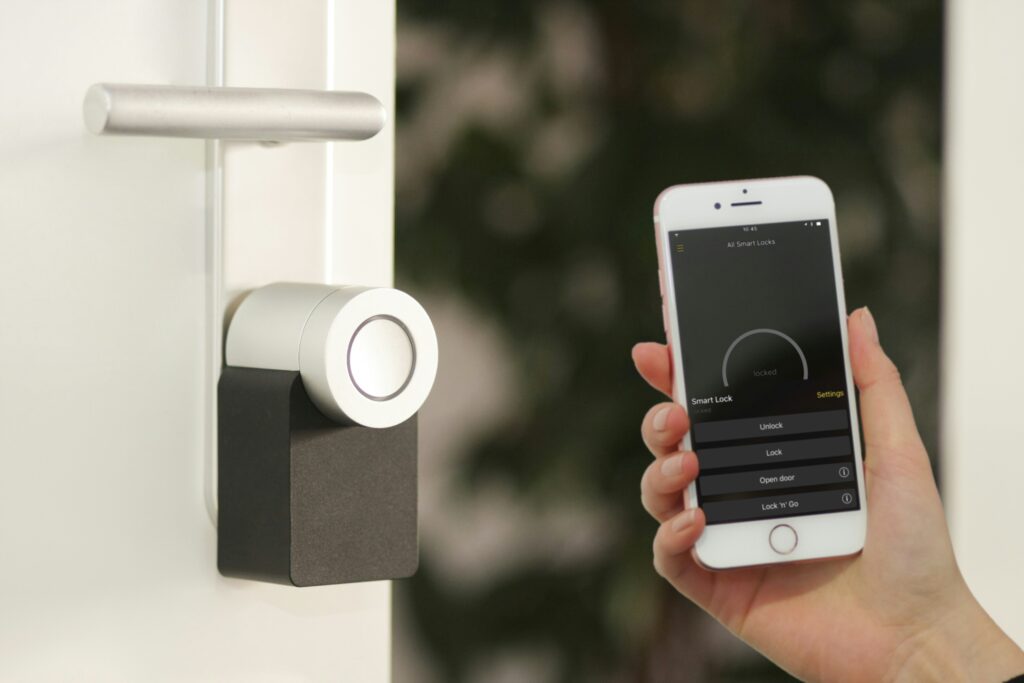
A home that runs smoothly rarely happens by accident. The same attention that keeps your smart thermostat calibrated and your air filters clean also plays a quiet but powerful role in keeping pests away. Homeowners often think of pest control as a reactive service, something you call only after spotting ants marching across the kitchen counter or hearing scratching in the attic. In reality, the most effective pest prevention is woven into everyday home maintenance routines. When you treat your house as an interconnected system rather than a collection of separate rooms, you start noticing the small openings, damp corners, and clutter zones that invite unwanted visitors long before an infestation takes hold.
Outdoor upkeep matters just as much as what happens indoors, especially in warm, humid climates where overgrown vegetation becomes a highway for insects and rodents. Overgrown weeds along a foundation or fence line create shade, moisture, and hiding spots that many pests find irresistible. If you live somewhere with dense, fast-growing greenery, it helps to review resources like 11 fastest ways to get rid of weeds in miami, since removing that vegetation is often the first practical step toward a pest-resistant yard. Once the landscaping is under control, the rest of your smart maintenance plan can focus on the structure itself.
Understanding Common Household Pests and What Attracts Them
Ants, cockroaches, rodents, and termites remain the most frequent uninvited guests in residential properties, and each is drawn to a specific combination of food, water, and shelter. Ants follow pheromone trails toward crumbs left on counters or spills that were never fully wiped away, while cockroaches thrive in warm, moist environments like under sinks or behind refrigerators. Rodents are opportunists that will chew through cardboard boxes, wall insulation, and even wiring if they sense an easy nesting spot with nearby food access. Termites, meanwhile, are less about visible mess and more about structural vulnerabilities such as wood-to-soil contact or moisture-damaged framing that goes unnoticed for months.
Recognizing these attractants gives homeowners a practical checklist rather than a vague sense of worry. Standing water in gutters, unsealed pet food containers, and firewood stacked against exterior walls are all small decisions that add up to big invitations for pests. Many households unknowingly create these conditions through habits that seem harmless, which is worth exploring further in this breakdown of everyday habits that attract pests. Once you understand the pattern, adjusting daily routines becomes far easier than trying to fix a full-blown infestation later.
Smart Home Technology Solutions for Pest Prevention
Modern smart home systems have expanded well beyond thermostats and security cameras, and several products now target pest activity directly. Motion-sensing cameras placed near garages, basements, or crawl spaces can alert homeowners to rodent movement long before droppings or chew marks appear. Smart humidity sensors installed in attics and bathrooms track moisture levels in real time, sending notifications when conditions become favorable for termites or mold-loving insects. Some ultrasonic pest repellent devices now sync with home automation hubs, allowing homeowners to schedule and monitor their effectiveness from a phone app rather than guessing whether the device is even working.
These technologies are most valuable when paired with basic cybersecurity awareness, since any internet-connected device introduces potential vulnerabilities into a home network. The Federal Trade Commission notes that small networks, including those in residential smart homes, benefit from regularly updated passwords and firmware to prevent unauthorized access. Applying that same diligence to pest-monitoring devices ensures the technology protecting your home from insects and rodents does not become an easy target for something far more disruptive.
Sealing Entry Points: The Foundation of a Pest-Free Home
No amount of smart technology can substitute for a physically sealed structure, and this remains the single most effective long-term pest deterrent. Gaps around window frames, unsealed utility penetrations, and worn weatherstripping on exterior doors are common entry points that homeowners overlook for years. A simple flashlight inspection at dusk, when light leaks reveal hidden gaps, often uncovers openings large enough for mice or insects to slip through undetected. Caulking these gaps, installing door sweeps, and repairing damaged screens are inexpensive fixes that dramatically reduce pest access.
Foundation vents and crawl space openings deserve particular attention since they are frequently the largest unguarded entryways into a home. Metal mesh screens over vents allow airflow while blocking rodents and larger insects, and periodic checks ensure these screens have not rusted or been dislodged by weather. Roofline gaps near chimneys and soffits are equally important, as squirrels and bats can exploit even small openings there. Treating entry point maintenance as a seasonal task rather than a one-time fix keeps the barrier consistently effective.
Moisture Control and Ventilation Strategies
Excess moisture is arguably the single greatest driver of indoor pest activity, since it supports the mold growth and soft wood that many insects rely on for food and shelter. Poor bathroom ventilation, leaking pipes, and improperly graded landscaping near the foundation all contribute to conditions that pests find hospitable. Installing exhaust fans with proper venting, fixing plumbing leaks promptly, and ensuring gutters direct water away from the foundation are foundational steps every homeowner should prioritize. Dehumidifiers in basements and crawl spaces further reduce ambient moisture that would otherwise linger unnoticed.
| Pest | Ideal Humidity Range | Common Moisture Source |
| Termites | Above 60% relative humidity | Leaky pipes, soil contact with wood |
| Cockroaches | 50% to 75% relative humidity | Bathroom and kitchen condensation |
| Silverfish | Above 70% relative humidity | Basements, unventilated closets |
| Rodents | Not humidity-dependent but seek damp shelter | Crawl spaces, cluttered storage areas |
Decluttering and Organization to Eliminate Pest Habitats
Cluttered garages, overstuffed closets, and stacked cardboard boxes create ideal nesting conditions for rodents and insects alike, since these spaces offer both shelter and rarely disturbed hiding spots. Cardboard in particular is a favorite material for pests because it retains moisture and is easy to chew through, so switching to sealed plastic storage bins removes one of the most common attractants in a garage or basement. Regularly rotating stored items and clearing out items you no longer need reduces the number of undisturbed zones where pests can settle unnoticed. This habit pairs naturally with broader decluttering trends that many homeowners already embrace for aesthetic reasons, proving that a tidy home and a pest-resistant home often go hand in hand.
Outdoor storage deserves the same scrutiny, since firewood piles, unused planters, and yard equipment left against exterior walls give pests a direct bridge into the home. Keeping woodpiles elevated and at least twenty feet from the house, along with routine yard cleanup, closes that gap significantly. Even seasonal decorations stored in attics can become nesting material if left unchecked for long periods. Treating organization as an ongoing pest prevention strategy, rather than a spring cleaning afterthought, keeps these hidden habitats from ever forming.
Seasonal Pest Prevention Checklist
Pest pressure shifts throughout the year, so maintenance routines should shift with it rather than remaining static. Spring calls for inspecting foundation vents and repairing winter weather damage before insects become active again, while summer demands vigilance around moisture control as humidity peaks. Fall is the ideal time to seal entry points before rodents seek winter shelter, and winter maintenance should focus on monitoring attics and basements where pests often overwinter undisturbed. Building this rhythm into your annual home care calendar turns pest prevention into a routine task rather than an emergency response.
When to Call Professional Pest Management Services
Even the most diligent homeowner reaches a point where professional intervention becomes necessary, particularly with pests like termites or wildlife that require specialized treatment methods. Signs such as visible mud tubes, recurring rodent droppings despite sealing efforts, or a sudden increase in insect activity indicate that the issue has moved beyond routine maintenance. Professional pest management teams bring diagnostic tools and treatment options that go well beyond store-bought traps or sprays, and they can identify root causes that homeowners might miss entirely. Scheduling periodic professional inspections, even when no active infestation is visible, adds another layer of protection to the smart maintenance habits already in place.
Conclusion: Integration of Smart Maintenance Habits
A pest-free home is rarely the result of a single fix but rather the cumulative effect of consistent, informed maintenance across every part of the property. From sealing entry points and controlling moisture to leveraging smart technology and knowing when to call in professionals, each habit reinforces the others. Homeowners who treat pest prevention as part of their broader home care routine, rather than an isolated task, tend to see far fewer surprises throughout the year. Building these habits now creates a living environment that stays comfortable, efficient, and free of unwanted guests for the long term.
 Founder & Creative Director
Kylor Dornhaven is the kind of writer who genuinely cannot publish something without checking it twice. Maybe three times. They came to home inspiration headlines through years of hands-on work rather than theory, which means the things they writes about — Home Inspiration Headlines, Interior Trends and Layout Ideas, Essential Living Concepts and Styles, among other areas — are things they has actually tested, questioned, and revised opinions on more than once.
That shows in the work. Kylor's pieces tend to go a level deeper than most. Not in a way that becomes unreadable, but in a way that makes you realize you'd been missing something important. They has a habit of finding the detail that everybody else glosses over and making it the center of the story — which sounds simple, but takes a rare combination of curiosity and patience to pull off consistently. The writing never feels rushed. It feels like someone who sat with the subject long enough to actually understand it.
Outside of specific topics, what Kylor cares about most is whether the reader walks away with something useful. Not impressed. Not entertained. Useful. That's a harder bar to clear than it sounds, and they clears it more often than not — which is why readers tend to remember Kylor's articles long after they've forgotten the headline.
Founder & Creative Director
Kylor Dornhaven is the kind of writer who genuinely cannot publish something without checking it twice. Maybe three times. They came to home inspiration headlines through years of hands-on work rather than theory, which means the things they writes about — Home Inspiration Headlines, Interior Trends and Layout Ideas, Essential Living Concepts and Styles, among other areas — are things they has actually tested, questioned, and revised opinions on more than once.
That shows in the work. Kylor's pieces tend to go a level deeper than most. Not in a way that becomes unreadable, but in a way that makes you realize you'd been missing something important. They has a habit of finding the detail that everybody else glosses over and making it the center of the story — which sounds simple, but takes a rare combination of curiosity and patience to pull off consistently. The writing never feels rushed. It feels like someone who sat with the subject long enough to actually understand it.
Outside of specific topics, what Kylor cares about most is whether the reader walks away with something useful. Not impressed. Not entertained. Useful. That's a harder bar to clear than it sounds, and they clears it more often than not — which is why readers tend to remember Kylor's articles long after they've forgotten the headline.