
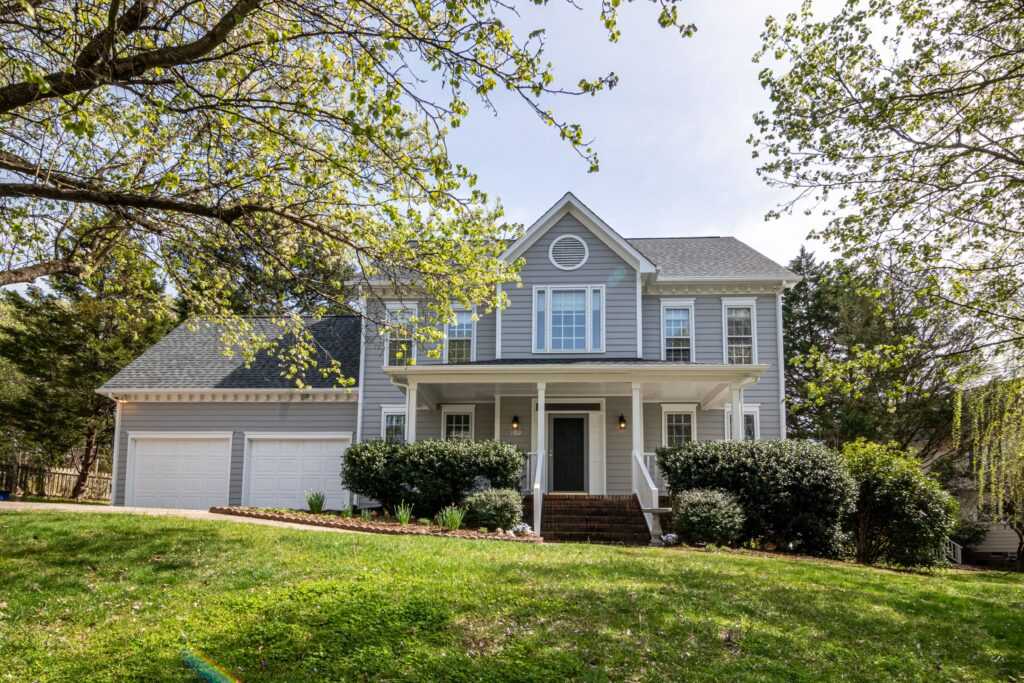
The concept of home value is undergoing a fundamental transformation. For decades, property value was primarily determined by location, square footage, neighborhood quality, and long-term market trends. While these factors still matter, 2026 housing markets reveal a far more complex equation shaped by digital infrastructure, lifestyle flexibility, remote work patterns, and evolving consumer expectations.
Today, “home value” is no longer just about physical space—it is about how well a property integrates into a digitally connected lifestyle.
Recent housing reports suggest that over 60% of buyers now prioritize smart home features and digital infrastructure compatibility over traditional aesthetic upgrades. This shift reflects how deeply technology has become embedded in everyday living.
The Rise of the Digitally Enabled Home
Modern homes are increasingly evaluated based on their digital readiness. Buyers now expect properties to include or support:
- high-speed fiber internet infrastructure
- integrated smart home systems
- energy-efficient automation controls
- remote security monitoring capabilities
- device ecosystem compatibility
These features are no longer luxury additions—they are baseline expectations in many urban and suburban markets.
A home without strong connectivity is increasingly viewed as less valuable, even if it is physically well-located or architecturally appealing.
This represents a major shift in valuation logic: connectivity has become as important as geography.
Remote Work Permanently Changed Housing Demand
One of the most significant drivers of this transformation is the normalization of remote and hybrid work.
Since remote work became widely adopted, housing preferences have shifted toward:
- larger dedicated workspaces
- quieter residential zones
- multi-functional rooms
- strong digital infrastructure reliability
Properties that support long-term remote work setups are seeing higher demand and stronger price resilience.
In many urban markets, homes with dedicated office space command premium pricing, even when they are smaller overall.
This reflects a structural change in how people use their homes: they are no longer just living spaces—they are working environments, entertainment hubs, and digital command centers.
Location Still Matters, But Differently
While location remains important, its meaning has evolved.
Traditionally, location value was tied to proximity:
- city centers
- schools
- transportation
- employment hubs
In 2026, location value is increasingly defined by:
- digital infrastructure quality
- commute flexibility (not just physical commuting)
- lifestyle accessibility
- environmental conditions
- local technological adoption
For example, suburban areas with strong broadband infrastructure and high-quality digital services are now competing with urban centers in ways that were previously uncommon.
This redistribution of value is reshaping housing markets globally.
Smart Homes as Financial Assets
Smart home integration is now directly influencing property valuation.
Homes equipped with advanced automation systems—such as:
- AI-driven climate control
- smart energy optimization
- automated lighting and security systems
- integrated voice and device ecosystems
are increasingly valued higher than comparable homes without these features.
Energy efficiency alone can significantly impact long-term cost projections, making smart homes more attractive in inflation-sensitive markets.
Some real estate analyses suggest smart-enabled homes can command 5–15% higher resale value, depending on region and system integration quality.
The Shift Toward Flexible Living Spaces
Another major trend is the rise of adaptable living environments.
Modern buyers are no longer looking for fixed-purpose rooms. Instead, they want flexible spaces that can evolve with changing needs.
Common preferences now include:
- convertible office/guest rooms
- modular furniture layouts
- multi-use living areas
- expandable storage systems
This reflects economic and lifestyle uncertainty, where long-term fixed layouts are seen as less practical.
Homes that support adaptability are increasingly viewed as more future-proof.
Digital Lifestyle Integration Is Now Part of Value Assessment
A growing but less obvious factor in housing value is digital lifestyle compatibility.
This includes:
- ability to support multiple connected devices simultaneously
- seamless integration with smart ecosystems
- support for entertainment-heavy digital environments
- reliable bandwidth for streaming, gaming, and remote work
Homes that cannot support modern digital lifestyles are increasingly seen as functionally limited.
Even entertainment habits now influence housing expectations. Users accustomed to real-time digital environments and interactive platforms—such as those found in modern predictive systems and casino-style interactive hubs like DraftKings Casino Gaming —expect their home networks and infrastructure to match that level of responsiveness and stability.
This reflects a broader shift: digital performance is becoming part of residential value.
Sustainability and Energy Efficiency as Core Value Drivers
Environmental efficiency has also become a major component of home valuation.
Buyers are increasingly prioritizing:
- energy-efficient insulation
- solar panel integration
- smart energy monitoring systems
- low-carbon building materials
Energy costs are now a major financial consideration in housing decisions, especially in regions affected by rising utility prices.
Homes with lower long-term operating costs are increasingly seen as more valuable than those with lower upfront prices but higher maintenance expenses.
The Emotional Value of Home Is Changing
Beyond financial and functional considerations, emotional expectations of homes are also shifting.
People now want homes that:
- reduce digital overload stress
- support hybrid lifestyles
- provide flexible personal space
- enhance well-being through environment design
This has led to increased interest in minimalist layouts, natural lighting optimization, and wellness-oriented architecture.
Home value is no longer just economic—it is psychological.
The Future of Homes
The meaning of “home value” in 2026 is far more complex than traditional real estate models suggest. While location and size remain important, they are now only part of a larger equation that includes digital infrastructure, adaptability, sustainability, and lifestyle compatibility.
Homes are no longer static assets—they are dynamic environments that must support increasingly digital, flexible, and hybrid ways of living.
As these trends continue, real estate will become less about physical property alone and more about how well a space integrates into the broader technological and lifestyle ecosystem of its occupants.
 Founder & Creative Director
Kylor Dornhaven is the kind of writer who genuinely cannot publish something without checking it twice. Maybe three times. They came to home inspiration headlines through years of hands-on work rather than theory, which means the things they writes about — Home Inspiration Headlines, Interior Trends and Layout Ideas, Essential Living Concepts and Styles, among other areas — are things they has actually tested, questioned, and revised opinions on more than once.
That shows in the work. Kylor's pieces tend to go a level deeper than most. Not in a way that becomes unreadable, but in a way that makes you realize you'd been missing something important. They has a habit of finding the detail that everybody else glosses over and making it the center of the story — which sounds simple, but takes a rare combination of curiosity and patience to pull off consistently. The writing never feels rushed. It feels like someone who sat with the subject long enough to actually understand it.
Outside of specific topics, what Kylor cares about most is whether the reader walks away with something useful. Not impressed. Not entertained. Useful. That's a harder bar to clear than it sounds, and they clears it more often than not — which is why readers tend to remember Kylor's articles long after they've forgotten the headline.
Founder & Creative Director
Kylor Dornhaven is the kind of writer who genuinely cannot publish something without checking it twice. Maybe three times. They came to home inspiration headlines through years of hands-on work rather than theory, which means the things they writes about — Home Inspiration Headlines, Interior Trends and Layout Ideas, Essential Living Concepts and Styles, among other areas — are things they has actually tested, questioned, and revised opinions on more than once.
That shows in the work. Kylor's pieces tend to go a level deeper than most. Not in a way that becomes unreadable, but in a way that makes you realize you'd been missing something important. They has a habit of finding the detail that everybody else glosses over and making it the center of the story — which sounds simple, but takes a rare combination of curiosity and patience to pull off consistently. The writing never feels rushed. It feels like someone who sat with the subject long enough to actually understand it.
Outside of specific topics, what Kylor cares about most is whether the reader walks away with something useful. Not impressed. Not entertained. Useful. That's a harder bar to clear than it sounds, and they clears it more often than not — which is why readers tend to remember Kylor's articles long after they've forgotten the headline.