
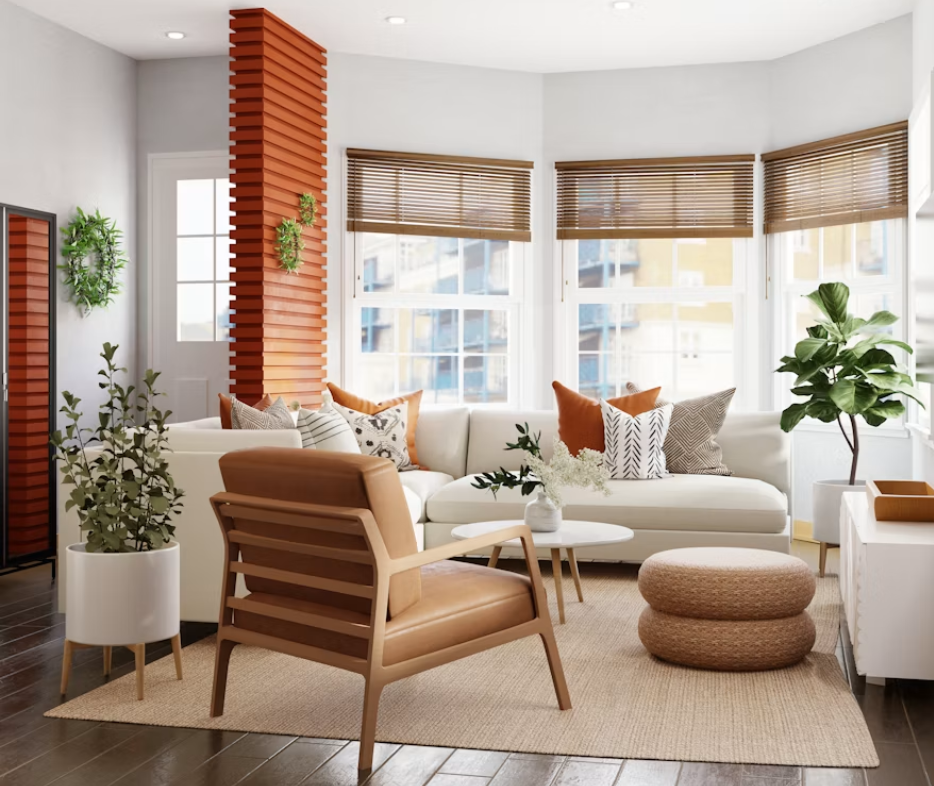
Ever wondered why walking into some rooms makes you instantly exhale, while others set your teeth on edge? Our surroundings quietly shape how we feel, often without us even realising it. Calm spaces usually have a sense of order, so your brain doesn’t have to work overtime, and everything just feels easy. It’s like your mind is given permission to settle down.
On the flip side, rooms that are busy or feel a bit haphazard can be oddly stressful. If there’s too much going on visually or things don’t quite fit together, your eyes keep darting around searching for somewhere to land, and your body never quite switches off.
How we move through a space matters too. If the way is clear and things flow naturally, you feel comfortable straight away. But if furniture interrupts your path or the layout feels a tad awkward, a slight unease can creep in.
Paying attention to these details helps create environments where people feel genuinely at ease. It’s all about shaping spaces that do more than just look lovely—they help us feel better, too.
Elements of Calm Spaces
Getting visual alignment right has a big effect on how peaceful a space feels. It’s basically about making sure things in a room belong together – so your eyes aren’t forced to do laps trying to make sense of clashing styles or odd layouts.
When items line up well, the space just flows. Your brain barely has to do any heavy lifting, and that brings a wave of calm. The room feels easy to read, and your eyes can move about without bumping into confusion at every turn.
Visual noise is another thing to keep on your radar. This isn’t just about a messy table, but covers too many things fighting for your attention, wild colour choices, unplanned layering, or objects that look like they’re from completely different scales or textures. Even if each piece is nice on its own, if they don’t sit together, the space will come across as scattered.
If your eyes can’t settle, your body won’t either. By cutting down on things that distract or compete, and giving your space a clear sense of order, you let your eyes (and your mind) relax. That’s where the real sense of calm starts to show up.
Cognitive Response to Space
Architecture has a surprising pull on our moods and behaviour. It’s not just about how things look but how spaces make us feel and react, sometimes before we’ve even realised it. Ever walked into a room and felt instantly lighter or, on the flip side, got an uneasy itch without knowing why? That’s the emotional nudge of design at work.
If a space is open and bright, think plenty of light and a bit of breathing room, it can lift your spirits and even give your creativity a boost. Spend time in a cramped, shadowy corner, however, and stress might not be far behind. Clutter and corners that hem you in have a way of turning up the tension.
The layout plays a part, too. Open, flowing spaces allow us to move freely, and that sense of freedom can filter straight through to our minds. On the other hand, tight, boxed-in spots can have us feeling boxed in mentally as well. There’s a kind of quiet back-and-forth between the rooms we live in and the way we feel day by day. Architects who pay attention to this can do more than just make a place look good—they can help us feel just that bit better, every time we step inside.
Design Elements Influencing Mood
Light and Colour

Light can completely change how a space feels and how we feel in it. Spending time in natural light doesn’t just make rooms brighter; it actually helps keep our sleep on track, boosts focus during the day, and helps cut down on anxiety. That’s why rooms with big windows or skylights tend to feel cheerful and alive—it’s as if the whole place gets a breath of fresh air, and so do we.
Colour has just as big an impact. Cooler tones like gentle blues and soft greens can make a room feel like a sanctuary from the rush outside, giving the mind a break and letting stress fade into the background. On the other hand, warm colours—think sunny yellows and vibrant oranges—can wake up our energy and spark a bit of creativity, especially on those sluggish afternoons.
If you want a room that soothes, muted shades and soft lighting work wonders, making it easy to unwind. For spaces where you need to stay sharp or inspired, clearer light and energising colours will keep things lively. Getting the mix right isn’t about rules; it’s about working out what each space is for and picking light and colour that fit, so people feel supported by their surroundings—sometimes without even realising it.
Biophilic Design
Bringing nature indoors isn’t just about pretty pot plants or an artfully placed log. Biophilic design goes a bit deeper, using elements like wood, gentle water features, and leafy greenery to help us feel at ease. Incorporating natural materials, such as timber, highlights many of the benefits of using timber in modern architecture. There’s a reason so many people dream of having a room with a view—or at the very least, a scattering of plants on their desk.
Spaces that feel closer to nature tend to help us relax, steady our mood, and even clear our head after a stressful day. Studies back this up: being around natural elements indoors can drop blood pressure, lift your mood, and sharpen your mind.
Don’t underestimate natural light, either. Sunlight isn’t just good for your houseplants. Letting daylight in helps us stay alert and keeps our body clocks ticking in the right direction.
Whether you’re staring at a green wall, trailing your fingers across a wooden desk, or just catching sunlight through your window, these natural touches remind our brains of the outdoors and give us a subtle sense of comfort and positivity. Biophilic ideas aren’t only about looks—they help us think, feel, and work better, too.
Spatial Movement and Clear Pathways
How we move around a room has a surprisingly powerful effect on how we feel in it. If you have to sidestep awkwardly or squeeze between chairs, a sense of discomfort creeps in—even if you can’t quite put your finger on it. Clear walkways and open routes make a space feel welcoming and easy, almost as if the room is giving you a little nod to relax as you go.
It’s all about the practical details: arranging furniture so you don’t play a game of human pinball, making sure key areas are connected, and avoiding tricky corners that make people hesitate. When movement through a space feels effortless, there’s less mental clutter. People stop worrying about where to step and more about actually enjoying the moment.
Thoughtful layouts naturally guide the way—from the front door to your favourite chair, or from the kitchen to the garden—helping each area feel linked and logical. This isn’t just about how things look, but about building spaces that genuinely support daily life, letting everyone feel a little more at home.
Emotional Design in Architecture
Emotional design in architecture is catching more attention these days, and for good reason. It’s about much more than ticking boxes for function or style—it’s centred on how spaces can actually make people feel. Rather than designing just for practicality, emotional design asks: how does this place support the happiness, comfort, and mental well-being of the people using it?
Architects are now thinking about the kind of atmosphere a space creates, not just its purpose. Light, colour, materials, and layout all play their part. Choosing the right ones is less about following trends and more about shaping moods: a room flooded with natural light might lift your energy, while certain colours can ease a busy mind or inject a bit of cheerfulness into your day.
It’s no longer simply about what’s useful, but also what’s uplifting, calming, or even inspiring. Designs that use nature—like plant-filled corners or the familiar texture of wood—tap into our need for connection and can take the edge off daily stress.
Architecture with emotional design in mind creates spaces that do more than look good. They support how we want to feel, helping us unwind, find focus, and connect with each other more easily.
 Founder & Creative Director
Kylor Dornhaven is the kind of writer who genuinely cannot publish something without checking it twice. Maybe three times. They came to home inspiration headlines through years of hands-on work rather than theory, which means the things they writes about — Home Inspiration Headlines, Interior Trends and Layout Ideas, Essential Living Concepts and Styles, among other areas — are things they has actually tested, questioned, and revised opinions on more than once.
That shows in the work. Kylor's pieces tend to go a level deeper than most. Not in a way that becomes unreadable, but in a way that makes you realize you'd been missing something important. They has a habit of finding the detail that everybody else glosses over and making it the center of the story — which sounds simple, but takes a rare combination of curiosity and patience to pull off consistently. The writing never feels rushed. It feels like someone who sat with the subject long enough to actually understand it.
Outside of specific topics, what Kylor cares about most is whether the reader walks away with something useful. Not impressed. Not entertained. Useful. That's a harder bar to clear than it sounds, and they clears it more often than not — which is why readers tend to remember Kylor's articles long after they've forgotten the headline.
Founder & Creative Director
Kylor Dornhaven is the kind of writer who genuinely cannot publish something without checking it twice. Maybe three times. They came to home inspiration headlines through years of hands-on work rather than theory, which means the things they writes about — Home Inspiration Headlines, Interior Trends and Layout Ideas, Essential Living Concepts and Styles, among other areas — are things they has actually tested, questioned, and revised opinions on more than once.
That shows in the work. Kylor's pieces tend to go a level deeper than most. Not in a way that becomes unreadable, but in a way that makes you realize you'd been missing something important. They has a habit of finding the detail that everybody else glosses over and making it the center of the story — which sounds simple, but takes a rare combination of curiosity and patience to pull off consistently. The writing never feels rushed. It feels like someone who sat with the subject long enough to actually understand it.
Outside of specific topics, what Kylor cares about most is whether the reader walks away with something useful. Not impressed. Not entertained. Useful. That's a harder bar to clear than it sounds, and they clears it more often than not — which is why readers tend to remember Kylor's articles long after they've forgotten the headline.