
If you’re searching for smart ways to maximize space without sacrificing style, you’re in the right place. This article explores multi-functional furniture ideas that help you create a home that feels organized, flexible, and effortlessly beautiful—no matter the size of your space. From adaptable storage solutions to convertible pieces that serve more than one purpose, we’ll show you how to make every square foot work harder.
Today’s interiors demand more from the furniture we choose. Whether you’re living in a compact apartment or simply want a more efficient layout, the right design strategies can transform how your home looks and functions. To ensure you’re getting practical, up-to-date guidance, we’ve analyzed current interior trends, consulted design professionals, and reviewed real-world space optimization techniques.
By the end, you’ll have actionable inspiration and proven ideas to help you invest in furniture that enhances comfort, style, and everyday living.
Feeling boxed in by cluttered corners or tight walkways, even when your square footage says otherwise? You’re not alone. Many homes feel smaller because furniture works against, not for, daily life. This guide shows how smart, design-forward pieces can CREATE space instead of consuming it. Think storage ottomans, lift-top tables, and wall-mounted desks that disappear after hours. These multi-functional furniture ideas maximize flow without sacrifice. • PRIORITIZE vertical storage to free floor space. Strategic furnishing isn’t about buying smaller; it’s about choosing pieces that serve two roles, reduce clutter, and make everyday routines smoother. Your home should adapt to you.
The Transformer Principle: Furniture That Does More
Small spaces demand big creativity. That’s where the “transformer” principle comes in: furniture designed to change form or function depending on your needs. In practical terms, convertible furniture pieces adapt throughout the day—working harder so your square footage doesn’t have to. Think of it as the Swiss Army knife of interiors (yes, James Bond would approve).
More importantly, these multi-functional furniture ideas aren’t just trendy—they’re rooted in smart spatial planning principles supported by urban housing studies showing average apartment sizes have shrunk in major cities over the past decade (U.S. Census Bureau). So adaptability isn’t a luxury; it’s survival.
Spotlight #1: The Convertible Coffee Table
First, consider the lift-top coffee table. By day, it’s a sleek surface for books and mugs. By night, it rises and expands into a dining table or work desk. In a studio apartment, this eliminates the need for a separate dining area.
Practical tip: Measure the fully extended dimensions before buying and ensure at least 30 inches of clearance around it for comfortable movement.
Spotlight #2: Modular Sofas with Integrated Storage
Next, modular sofas let you rearrange sections into an L-shape, U-shape, or separate seating pods. Even better, hidden compartments inside ottomans or chaise lounges store blankets, board games, or cables (because clutter multiplies when you’re not looking).
Step-by-step: Choose lightweight modules with locking connectors so reconfiguration stays stable.
Spotlight #3: The Modern Wall Bed (Murphy Bed)
Finally, modern Murphy beds integrate desks, shelving, or sofas. During the day, the bed folds vertically into cabinetry, freeing major floor space.
For more space-saving design strategies, explore our guide to space-saving design.
The transformer principle isn’t about squeezing in more—it’s about making every piece earn its place.
Thinking Vertically: Unlocking Your Home’s Hidden Real Estate
When square footage feels scarce, most people look around. Smart designers look up. Drawing the eye upward is a classic spatial trick: by emphasizing height, you create the illusion of openness and airiness. In design terms, this is called vertical emphasis—guiding attention toward ceiling lines to make a room feel taller than it is. Think of grand libraries or cathedral ceilings (there’s a reason they feel awe-inspiring).
Some argue vertical storage makes rooms feel top-heavy or cluttered. That can happen—if it’s poorly styled. However, when balanced with negative space (intentional empty areas that give the eye a place to rest), vertical elements actually enhance flow, much like the principles in how to create a cohesive flow between rooms.
Solution #1: Leaning & Ladder Shelving
Leaning and ladder shelves deliver generous storage with a slim footprint. Because they rest against the wall, they add architectural interest without bulky bases. Display books, plants, or baskets for subtle multi-functional furniture ideas (storage meets style).
Solution #2: Wall-Mounted Desks and Nightstands
Floating pieces free up visible floor area, making rooms feel lighter and easier to clean. Critics say wall-mounted furniture lacks stability, yet properly anchored units are secure and visually transformative.
Solution #3: Tall, Narrow Bookcases & Cabinets
Choose height over width. A slim cabinet can flank a doorway or tuck into corners, maximizing overlooked inches.
| Solution | Floor Space Used | Visual Impact |
|———–|——————|—————|
| Ladder Shelves | Minimal | Architectural |
| Wall-Mounted Pieces | None | Airy |
| Tall Narrow Cabinets | Compact | Vertical Emphasis |
Ultimately, vertical thinking isn’t about cramming more in—it’s about elevating what’s already there.
The “Invisible” Storage Revolution”
Cluttered storage shouts. Invisible storage whispers. That’s the difference.
Take the storage ottoman or bench. A standard coffee table (Option A) holds your mugs. A storage ottoman (Option B) holds your mugs and the throw blankets, board games, or dog toys you’d rather not display. Same footprint, double duty. It’s one of those multi-functional furniture ideas that feels almost sneaky (in a good way).
Now compare a traditional bed frame with under-bed bins to a hydraulic lift-up bed frame. Bins collect dust and slide awkwardly. A lift-up frame reveals a sealed, expansive compartment perfect for luggage or seasonal clothes. According to the National Association of Home Builders, storage is consistently ranked among top buyer priorities (NAHB, 2023). Hidden storage meets that demand without visual chaos.
In the entryway, hooks and open shoe racks (Option A) say “real life happens here.” A slim console with hidden drawers or drop-down panels (Option B) says “real life happens here—just discreetly.” Keys, mail, and shoes vanish behind clean lines.
Some argue open storage is more accessible. Fair. But visual calm reduces cognitive overload, research suggests (Princeton Neuroscience Institute, 2011). And calm is priceless.
Pro tip: If guests can’t immediately spot your storage, you’ve nailed it.
Optical Illusions: Furniture That Visually Expands Your Room
Start with an anecdote about squeezing a bulky sofa into my first apartment and realizing the room felt smaller overnight. That’s when I learned furniture can trick the eye.
First, leggy furniture—sofas and consoles on slender, raised legs—lets you see more floor. More visible floor equals perceived space (design psychology 101).
Then, reflective and transparent materials like acrylic or glass reduce visual weight and bounce light.
I’ve paired these with multi-functional furniture ideas, and suddenly even tight layouts breathe easier. As a result, cramped corners feel open and intentional. Almost like magic.
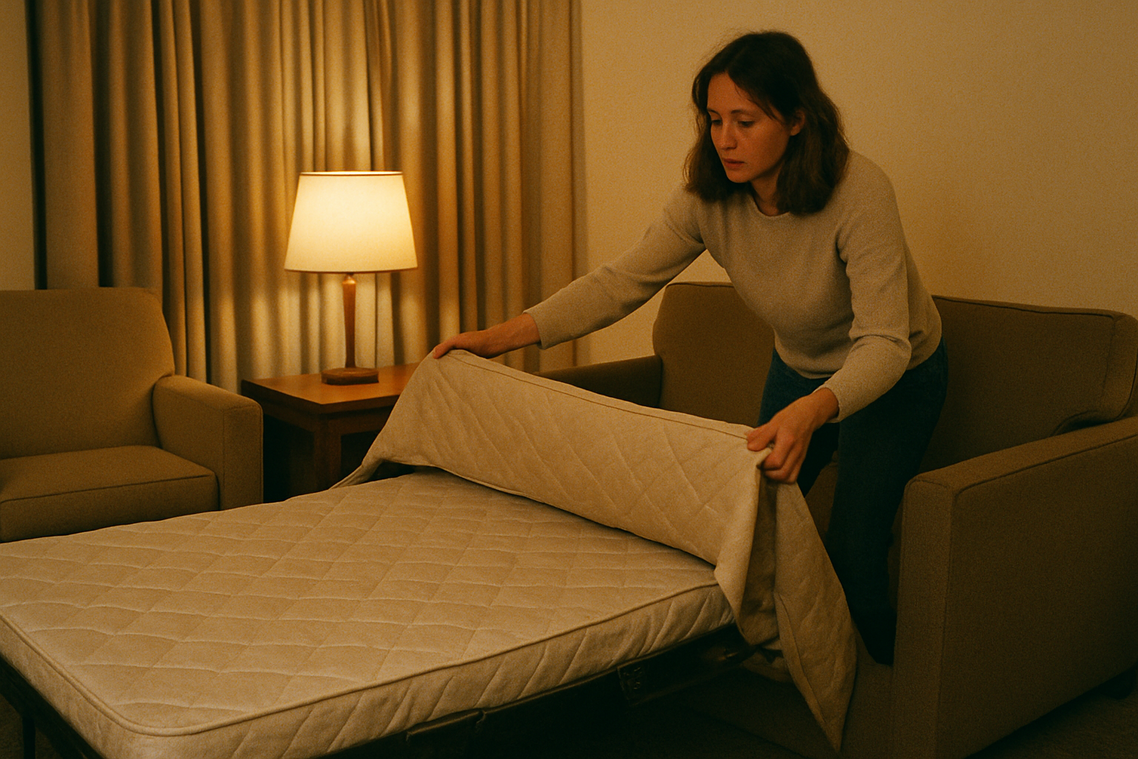
Maximizing space isn’t about deprivation; rather, it’s about smarter choices. By selecting convertible pieces, utilizing vertical space, and opting for integrated storage, you create room without adding square footage. In other words, design does the heavy lifting (yes, even in that shoebox apartment). Start with multi-functional furniture ideas that serve two purposes—a sofa bed for guests or a lift-top coffee table for storage. Next, install tall shelving to draw the eye upward. Finally, replace bulky dressers with built-ins. Choose one problem area today and solve it with a single transformative piece. Small shift, big impact. Your home will thank you.
Bring Smart Style Into Every Corner of Your Home
You came here looking for practical ways to elevate your space without sacrificing comfort or function—and now you have the inspiration to do exactly that. From smarter layouts to multi-functional furniture ideas, you’ve seen how thoughtful design can transform even the most challenging rooms into spaces that truly work for your lifestyle.
The real frustration isn’t a lack of style—it’s feeling like your home isn’t working for you. Cluttered rooms, wasted space, and outdated layouts can make daily life harder than it needs to be. The good news? Small, intentional changes can create a home that feels organized, beautiful, and effortless.
Now it’s time to take action. Start by choosing one room and applying the concepts you’ve learned—optimize the layout, introduce versatile pieces, and refine your design details. For more expert-backed inspiration and practical solutions trusted by thousands of design-savvy homeowners, explore our latest guides and start transforming your space today.