
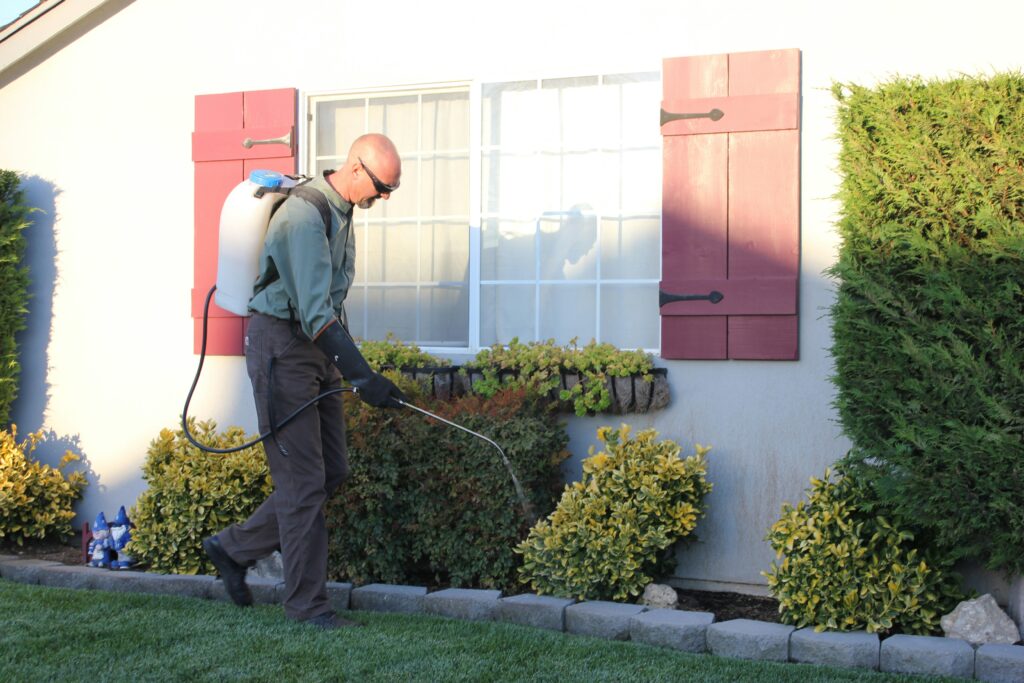
A home doesn’t become infested overnight. Pest problems usually develop slowly, starting with a small gap around a utility line, a damp corner of the basement, or a pile of leaves against the foundation that goes unnoticed for weeks. By the time most homeowners realize something is wrong, the issue has often progressed from a minor nuisance to a full infestation. This is why routine maintenance matters so much. Keeping a home in good repair isn’t just about aesthetics or resale value, it’s one of the most reliable ways to keep pests from finding an easy way in.
Insects and rodents are opportunists. They follow the path of least resistance, and they’re drawn to homes that offer food, moisture, and shelter. A well-maintained house simply doesn’t offer as many of those opportunities. Understanding which maintenance tasks matter most, and why, gives homeowners a practical framework for protecting their property throughout the year.
Why Routine Upkeep Matters More Than Reactive Treatment
Waiting until pests are visible before taking action tends to be more expensive and more disruptive than preventing the problem in the first place. Termites, for example, can cause significant structural damage before homeowners ever notice a sign of infestation, since much of their activity happens inside walls and wood framing. Rodents can chew through wiring and insulation, creating both safety hazards and costly repairs.
Consistent maintenance interrupts these problems early. It removes the conditions pests rely on to survive and reproduce, and it gives homeowners the chance to catch small vulnerabilities — a cracked window screen, a slow leak under the sink before they become entry points for larger issues. In many respects, maintenance functions as a form of built-in pest control, reducing reliance on reactive treatments later.
Sealing the Home’s Exterior Against Entry Points
Most pests enter a home through gaps that are smaller than most people expect. Ants can fit through openings the width of a credit card, and mice can squeeze through gaps as small as a quarter-inch. Sealing these access points is one of the most effective preventive steps a homeowner can take.
Key areas to inspect regularly include:
- Gaps around doors and windows, including worn weatherstripping
- Cracks in the foundation or exterior siding
- Openings around utility penetrations, such as pipes, cables, and vents
- Damaged or torn window and door screens
- Spaces where different building materials meet, such as where siding meets brick
Caulking gaps, replacing damaged screens, and installing door sweeps are inexpensive tasks that pay off significantly over time. These small barriers make it far more difficult for insects and rodents to gain access, even when conditions outside become less favorable for them.
Managing Moisture Problems Before They Attract Pests
Moisture is one of the strongest pest attractants in and around a home. Cockroaches, silverfish, termites, and even certain ant species are drawn to damp environments because moisture supports their survival and, in many cases, their reproduction. Addressing sources of excess moisture is therefore central to any effective prevention strategy.
Homeowners should routinely check for plumbing leaks under sinks, around water heaters, and near washing machine connections. Even minor leaks can create the humid conditions many pests need to thrive. Bathrooms and kitchens, in particular, benefit from proper ventilation to reduce condensation buildup.
Outside the home, gutters play a surprisingly important role in pest prevention. Clogged gutters can cause water to pool near the foundation, softening soil and creating conditions that attract termites and other moisture-seeking insects. Cleaning gutters regularly and ensuring downspouts direct water away from the house helps maintain proper drainage and keeps the foundation dry.
Outdoor Habits That Reduce Pest Pressure
The landscaping and outdoor areas surrounding a home have a direct impact on how attractive that home is to pests. Shrubs and tree branches that touch the house can act as bridges, giving ants, spiders, and rodents direct access to rooflines and siding. Trimming vegetation back from exterior walls removes this convenient pathway and also improves airflow, which further reduces moisture buildup.
Mulch and firewood are common culprits as well. While mulch is beneficial for garden health, piling it directly against the foundation creates a moist, sheltered environment that termites and other insects find appealing. The same is true for firewood stacked too close to the home, it offers both shelter and, in many cases, a direct route for pests to move indoors. Keeping these materials several feet away from the foundation significantly reduces risk.
Standing water is another major concern, particularly for mosquito prevention. Mosquitoes require very little water to breed, sometimes no more than what collects in a clogged gutter, a forgotten flowerpot, or a low spot in the yard after rain. Regularly checking for and eliminating standing water interrupts their breeding cycle before it starts.
Finally, a clutter-free yard discourages rodents and insects from establishing nesting sites. Piles of debris, unused equipment, and overgrown vegetation all provide potential hiding places. Routine mowing, trimming, and debris removal help keep these areas to a minimum. If pest activity continues despite these preventive measures, a professional Birmingham pest control inspection can help identify overlooked entry points and other conditions around the property that may be contributing to the problem.
How These Habits Protect Against Common Household Pests
Each of these maintenance practices addresses the underlying conditions that draw specific pests toward a home. Sealing entry points helps keep out ants, spiders, and rodents. Moisture control reduces the risk of termite activity and discourages cockroaches, which rely heavily on damp environments. Clean gutters and proper drainage limit the soil conditions termites favor, while eliminating standing water directly targets mosquito populations. Outdoor upkeep, including trimming vegetation and reducing clutter, removes the shelter that many insects and rodents depend on for nesting and reproduction.
Taken together, these habits form a layered defense. No single task eliminates every risk, but consistent attention across all of them substantially reduces the likelihood of an infestation developing and protects the structural integrity of the home in the process.
Final Analysis
Preventive maintenance goes a long way toward protecting a home, but it cannot eliminate every pest risk. Certain problems, particularly termites, established rodent infestations, and pests hidden in walls or other hard-to-reach areas, may require specialized inspection and treatment. In such cases, professional assistance can play an important role in long-term pest prevention.
Experienced pest control professionals understand the pest pressures common to the area, including termite activity, seasonal ants, mosquitoes, and other household pests. They can identify hidden vulnerabilities, assess potential risks, and recommend customized prevention and treatment solutions based on a home’s specific needs. Combining consistent home maintenance with professional pest management when necessary provides a more effective approach to protecting the property, helping homeowners maintain a safer, healthier, and more pest-resistant home over time.
 Founder & Creative Director
Kylor Dornhaven is the kind of writer who genuinely cannot publish something without checking it twice. Maybe three times. They came to home inspiration headlines through years of hands-on work rather than theory, which means the things they writes about — Home Inspiration Headlines, Interior Trends and Layout Ideas, Essential Living Concepts and Styles, among other areas — are things they has actually tested, questioned, and revised opinions on more than once.
That shows in the work. Kylor's pieces tend to go a level deeper than most. Not in a way that becomes unreadable, but in a way that makes you realize you'd been missing something important. They has a habit of finding the detail that everybody else glosses over and making it the center of the story — which sounds simple, but takes a rare combination of curiosity and patience to pull off consistently. The writing never feels rushed. It feels like someone who sat with the subject long enough to actually understand it.
Outside of specific topics, what Kylor cares about most is whether the reader walks away with something useful. Not impressed. Not entertained. Useful. That's a harder bar to clear than it sounds, and they clears it more often than not — which is why readers tend to remember Kylor's articles long after they've forgotten the headline.
Founder & Creative Director
Kylor Dornhaven is the kind of writer who genuinely cannot publish something without checking it twice. Maybe three times. They came to home inspiration headlines through years of hands-on work rather than theory, which means the things they writes about — Home Inspiration Headlines, Interior Trends and Layout Ideas, Essential Living Concepts and Styles, among other areas — are things they has actually tested, questioned, and revised opinions on more than once.
That shows in the work. Kylor's pieces tend to go a level deeper than most. Not in a way that becomes unreadable, but in a way that makes you realize you'd been missing something important. They has a habit of finding the detail that everybody else glosses over and making it the center of the story — which sounds simple, but takes a rare combination of curiosity and patience to pull off consistently. The writing never feels rushed. It feels like someone who sat with the subject long enough to actually understand it.
Outside of specific topics, what Kylor cares about most is whether the reader walks away with something useful. Not impressed. Not entertained. Useful. That's a harder bar to clear than it sounds, and they clears it more often than not — which is why readers tend to remember Kylor's articles long after they've forgotten the headline.