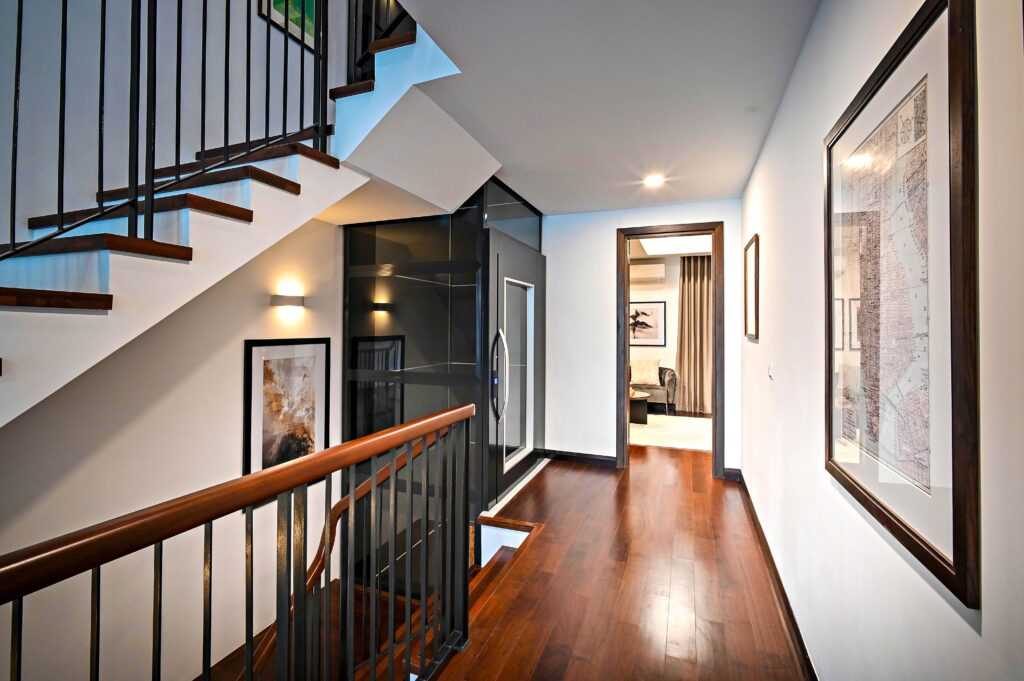
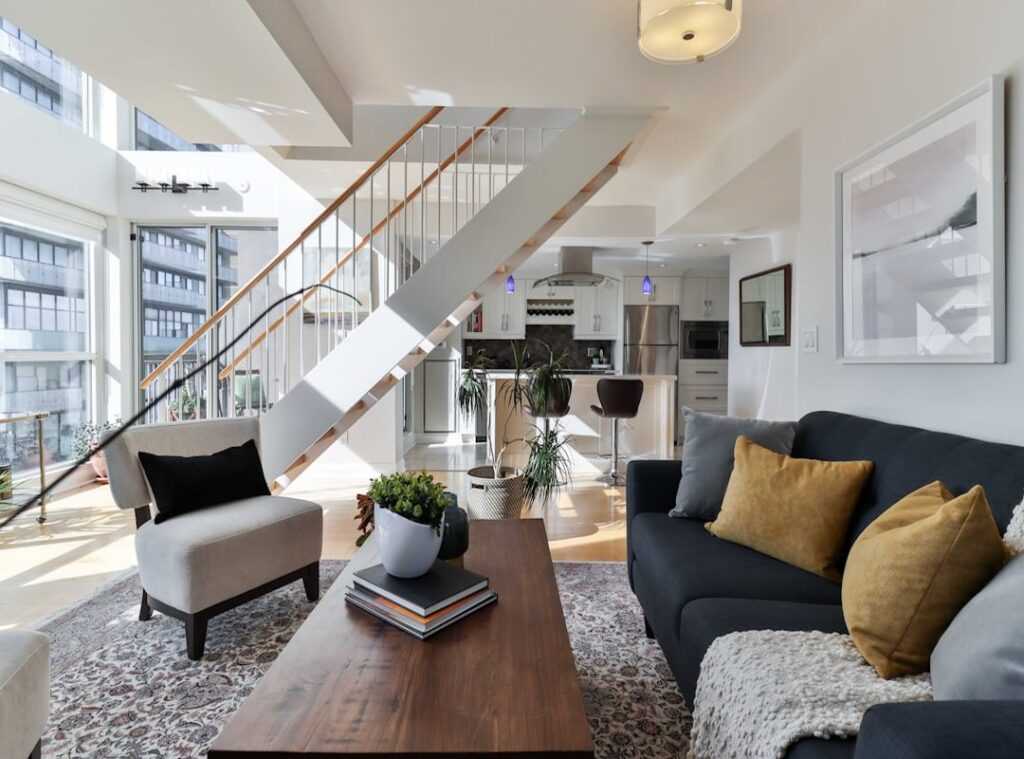
Everyone’s talking about open concept spaces these days, and honestly, it’s not just a trend (it’s) a game changer. Who doesn’t want their home to feel bigger and more welcoming? You’re probably thinking, does it really make that much difference?
I’ve seen it firsthand: knocking down those walls isn’t just liberating; it’s big.
But here’s the catch. While it sounds fantastic, creating a functional flow isn’t always straightforward. If you don’t plan, you might end up with a chaotic mess instead of that smooth dream space you imagined.
It’s not just about tearing down walls. It’s about reimagining how you use the space.
So, why trust this article? We’ve dissected takeaways from leading interior designers and architects who’ve mastered these concepts. Stick around, and you’ll learn how to maximize your space without losing style or function.
Ready to transform your living area into something fabulous? to the essentials that make open concepts work.
The Allure and The Reality: Open Concept Spaces
Open concept spaces. They sound dreamy, right? By definition, these spaces merge your kitchen, dining, and living areas into one large room.
Imagine the traffic flow. No more bumping into furniture or awkward hallway pauses. Plus, natural light floods the entire area, making everything feel more alive.
And let’s not forget the social perks. Hosting is a breeze when you can chat with your guests while whipping up dinner. It feels like a scene from a movie.
But what’s the catch? (Because there’s always a catch.) All that openness means noise travels. The blender whirring can drown out your favorite TV show. There’s also a lack of privacy.
Trying to read a book while someone else is cooking? Good luck with that. And if you’re like me, a bit of a neat freak, visual clutter can drive you nuts.
A messy kitchen means the whole space looks untidy.
Cooking smells are another reality. The aroma of last night’s fish can linger longer than you’d like. So is an open layout still worth it?
It depends on your lifestyle. If you value social connection and don’t mind the trade-offs, it might be perfect.
For those of us who crave a bit more structure, consider ways to add visual interest within the open space. Mixing textiles and colors can create a sense of depth without walls. Check out this mixing textures depth interest for some inspiration.
Ultimately, deciding on an open concept boils down to your priorities. Is the allure of openness worth the potential chaos? Only you can decide.
Zoning Magic: Define Your Space Without Walls
You walk into an open concept space, and it looks like a giant puzzle with scattered pieces. That’s exactly why zoning is your best friend. It’s all about creating distinct areas within a larger space without putting up walls (trust me, walls are overrated).
You want to make your living areas functional and visually appealing. How? You use what you have.
Start with area rugs. A large rug isn’t just a floor covering. It’s a visual anchor.
You can define a seating area just by plopping an oversized rug under your coffee table and sofa. It screams “living room” without uttering a word. A different one under your dining table does the same thing.
Voilà, instant dining room.
Furniture placement works wonders, too. Ever thought of your sofa as a wall? No?
Well, it can be. Put it in the middle of the room to separate your living space from a walkway. Not a fan of that?
Fine, use a console table behind the sofa. It creates an entryway feel. Furniture is not just for comfort (it’s) for definition.
Lighting changes everything. Install a chandelier over the dining table for drama (and better light for those fancy dinners). Use pendant lights over the kitchen island.
Floor lamps belong in reading nooks. Lighting divides spaces like nothing else.
And let’s not forget shelving. Open shelving is your secret weapon. A low, wide bookcase can divide living and dining areas without blocking views.
Plus, it gives you extra storage. Who doesn’t need that?
It’s all about being clever with your layout, turning open concept spaces from chaos into calm. You have the tools. Use them wisely.
Want to change your space? Climb out of the box and redefine it without walls. It’s not just design.
It’s an art form.
Troubleshooting Open Layouts: Tackle the Big Three
Open concept spaces sound great until you hit the real-world snags. Challenge 1: Managing Noise. The echoing chaos of an open layout can drive anyone nuts. You need to muffle those sounds. Soft surfaces are your best friend here.
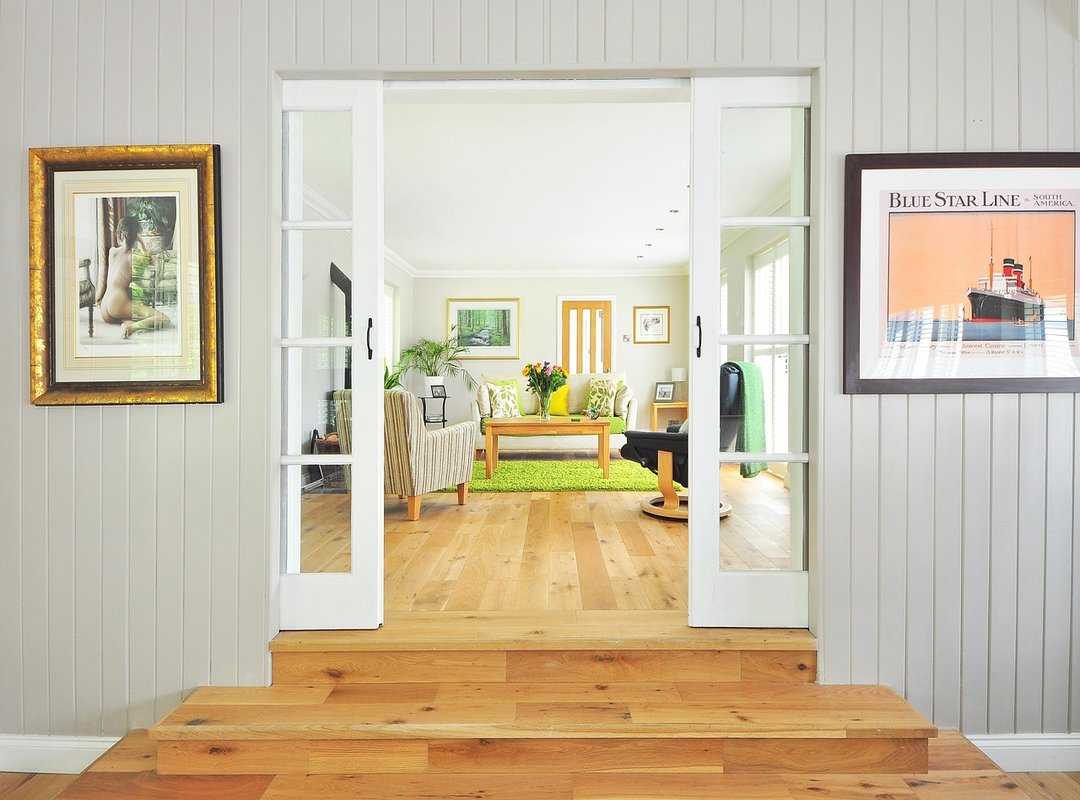
Think plush rugs and thick curtains. Upholstered furniture and decorative textiles like throw pillows and blankets also help. Want to get fancy?
Try acoustic panels disguised as wall art. They look good and work wonders.
Challenge 2: Carving Out Privacy. Open doesn’t mean exposed. You can create privacy without walls. Portable screens or room dividers are lifesavers for temporary separation. They let you change things up when needed. Ever thought of creating a cozy nook? A high-backed armchair with a small table in a corner works perfectly. It’s a quiet retreat in a sea of openness.
Challenge 3: Conquering Clutter. Clutter is the enemy of peace. Everything needs a home. Multi-functional furniture is the way to go. Ottomans that open for storage, coffee tables with drawers, and credenzas are not just stylish but practical. You can find more ideas for flexible furniture multi functional rooms.
But wait, there’s more. Ever notice how a cluttered space makes your mind feel cluttered too? Keeping things tidy isn’t just about aesthetics.
It’s about sanity. Trust me, it’s worth the effort.
So there you have it. Noise, privacy, and clutter (the) big three challenges of open layouts. Each one has a solution, and they’re all simpler than you think.
Don’t let these issues ruin your love for open spaces. With a few tweaks, you can enjoy the best of both worlds: the openness you crave and the functionality you need.
Unified Design: Crafting a Smooth Space
In open concept spaces, zoning is often heralded as the holy grail. But let’s get real. Too much separation creates a disjointed mess.
The goal? A unified design that ties everything together. You need cohesion.
Here’s how I see it.
First, colors. A consistent color palette is your best friend. Choose one primary color and a couple of accents.
Use them everywhere, but in varying amounts. This isn’t rocket science, just common sense. It keeps the chaos at bay.
Next up, materials. Repeating them across zones is key. Whether it’s wood, metal, or fabric, stick to the same tones and textures.
It’s like dressing a room in a matching outfit. (Even your grandma gets this.)
Finally, flow. You can’t ignore it. Furniture arrangement should create clear pathways. does this make navigation easier, but it also enhances the intentionality of your design.
So, why mess with a good thing? Keep it simple. When done right, open concept spaces feel natural and welcoming, not like a patchwork quilt.
Who wants that?
Turn Chaos Into Comfort
An open concept space doesn’t mean sacrificing function for style. Trust me, the chaos of noise and clutter can be tamed. Want privacy?
It’s possible. Strategic zoning and smart acoustic choices work wonders. Tired of your room feeling like an echo chamber?
A cohesive design palette helps. You can have your dream space without the headache.
So, what’s your next move? Pick one plan from the article. Maybe add an area rug or a storage ottoman.
Try it today. You’ll notice the difference. Ready for a transformation?
Dive in. Your open space isn’t just space. It’s potential.
 Founder & Creative Director
Kylor Dornhaven is the kind of writer who genuinely cannot publish something without checking it twice. Maybe three times. They came to home inspiration headlines through years of hands-on work rather than theory, which means the things they writes about — Home Inspiration Headlines, Interior Trends and Layout Ideas, Essential Living Concepts and Styles, among other areas — are things they has actually tested, questioned, and revised opinions on more than once.
That shows in the work. Kylor's pieces tend to go a level deeper than most. Not in a way that becomes unreadable, but in a way that makes you realize you'd been missing something important. They has a habit of finding the detail that everybody else glosses over and making it the center of the story — which sounds simple, but takes a rare combination of curiosity and patience to pull off consistently. The writing never feels rushed. It feels like someone who sat with the subject long enough to actually understand it.
Outside of specific topics, what Kylor cares about most is whether the reader walks away with something useful. Not impressed. Not entertained. Useful. That's a harder bar to clear than it sounds, and they clears it more often than not — which is why readers tend to remember Kylor's articles long after they've forgotten the headline.
Founder & Creative Director
Kylor Dornhaven is the kind of writer who genuinely cannot publish something without checking it twice. Maybe three times. They came to home inspiration headlines through years of hands-on work rather than theory, which means the things they writes about — Home Inspiration Headlines, Interior Trends and Layout Ideas, Essential Living Concepts and Styles, among other areas — are things they has actually tested, questioned, and revised opinions on more than once.
That shows in the work. Kylor's pieces tend to go a level deeper than most. Not in a way that becomes unreadable, but in a way that makes you realize you'd been missing something important. They has a habit of finding the detail that everybody else glosses over and making it the center of the story — which sounds simple, but takes a rare combination of curiosity and patience to pull off consistently. The writing never feels rushed. It feels like someone who sat with the subject long enough to actually understand it.
Outside of specific topics, what Kylor cares about most is whether the reader walks away with something useful. Not impressed. Not entertained. Useful. That's a harder bar to clear than it sounds, and they clears it more often than not — which is why readers tend to remember Kylor's articles long after they've forgotten the headline.