
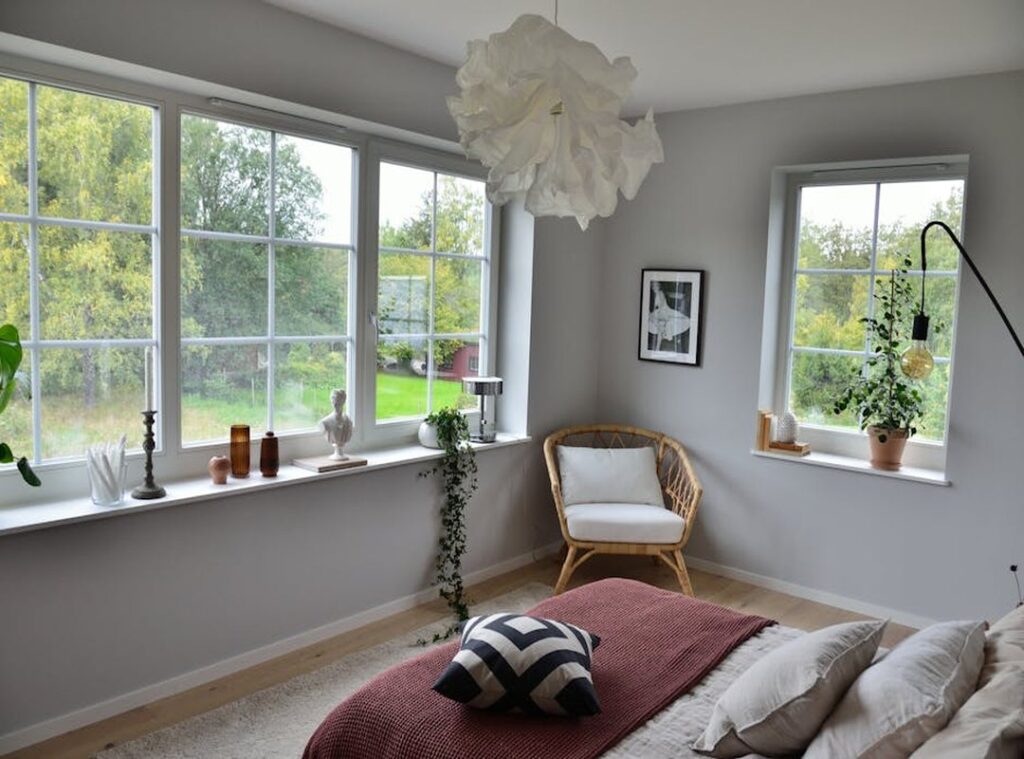
Ever look around your chaotic living space and just crave peace? You’re not alone. Homes should be sanctuaries, not sources of stress. scandinavian interior design comes in.
It’s not just a style; it’s a solution. Imagine a serene, functional space that’s actually livable.
Trust me, this isn’t about swapping out your couch for a minimalist photo op. I’ve delved into award-winning spaces, ones you can actually live in. These principles have been tried and tested, providing not just beauty but practicality.
Doesn’t everyone want a home that feels calm? This article promises more than pretty pictures. You’ll get a step-by-step guide to transform your home into a true sanctuary.
Ready to embrace simplicity and create a space you love?
More Than Meets the Eye: The Philosophy Behind Nordic Design
Scandinavian interior design isn’t just about aesthetics. It’s a mindset. You can’t just toss some white paint on the walls and call it a day.
To truly nail it, you have to understand concepts like Hygge. This Danish term is all about coziness and contentment. Think soft textiles, warm lighting, and spaces that welcome you.
Who doesn’t want to feel at home in their own home?
Then there’s the Swedish idea of “Lagom” (meaning ‘just the right amount’). It’s about minimalism but not for minimalism’s sake. It’s about having what you need and love, nothing more.
I mean, do we really need that extra chair no one ever sits in?
Nature plays a huge role in this style too. Have you ever been through a Nordic winter? Long, dark, and cold.
So they bring the outside in. Natural light, raw materials, and indoor plants are musts. They remind us of the outdoors we miss during those endless winters.
So, if you think you can just throw in some IKEA furniture and call it a day, think again. It’s about a philosophy. Speaking of timeless styles, have you checked out the mid century modern design revival?
It’s worth a look.
Nordic Vibes: The Essentials of Scandinavian Interior Design
Let’s start with the light-maximizing color palette. Whites, soft greys, and muted beiges are your best friends here. Why?
Because they reflect natural light and combat those long, dark winters. Trust me, the gloom can get to you. You want that bright, airy feel.
Like a summer day indoors.
Next, materials matter. Think beyond just wood. Light-toned woods like ash, pine, and beech are perfect for floors and furniture.
They add warmth without overwhelming the space. But don’t stop there. Contrast is key.
Mix in wool, linen, felt, and leather. The textures are what make a room feel alive.
Now, onto clean lines and uncluttered functionality. Every piece of furniture should have a purpose. No frills.
Just simple, elegant forms. And let’s talk about “negative space.” It’s about smart storage solutions to hide clutter. You don’t need to see everything you own.
But hold on, isn’t minimalist decor cold? Not if you layer cozy textiles. Chunky knit blankets, plush area rugs, and a variety of cushions can make all the difference.
They add warmth and texture. And yes, “Hygge” (that cozy feeling everyone’s talking about). It’s not just a trend.
It’s a lifestyle.
Finally, bring nature indoors. Houseplants like Fiddle Leaf Figs or Snake Plants add life and color. They’re like little oxygen machines.
And don’t forget natural motifs in art and patterns. A leaf print here or a floral there can transform a room.
So, why go Nordic? It’s not just about looks. It’s about creating a space that feels good.
Scandinavian interior design brings peace and simplicity into your home. And who doesn’t want that?
Beyond White: Crafting Your Nordic Palette
Scandinavian interior design is often linked with monochrome spaces. But, there’s more to it than just white walls. Start with your neutral foundation.
The shade of white or gray you pick depends on natural light. For north-facing rooms, warm whites work best. They counteract the cool, blue light.
Now, think about a tonal palette. It’s about layering different shades of the same color. Tonal palettes add depth without clutter.
Imagine light grays paired with deep charcoal. See how it changes the mood?
Accent colors are the secret weapon. Dusty rose or sage green can transform a space. Use them sparingly.
Black is your grounding force. Thin picture frames or chair legs in black draw the eye. Minimalist light fixtures can do the same.
One chair, some cushions, or a piece of art. It’s a subtle touch .
They add a graphic punch without overwhelming.
For those craving something bolder, consider Industrial Style Raw Refined Aesthetics. Its rough textures and polished finishes offer another dimension. Scandinavian design is about balance.
With these tips, you’ll craft a space that’s both classic and contemporary.
Room-by-Room: Bringing Scandinavian Style to Life
When it comes to scandinavian interior design, it’s all about simplicity and functionality. Let’s start with the living room. Imagine a comfortable, neutral-colored sofa with clean lines.
This isn’t just a couch. It’s the center of your space. Pair it with a simple wooden coffee table and a large, soft rug to define the area.
Don’t forget the lighting: a floor lamp for reading and ambient overhead light to set the mood.
Now, the bedroom. You want a serene retreat, don’t you? High-quality linen or cotton bedding in solid, muted colors is key.
It feels luxurious but not over-the-top. Nightstands should be simple. Blackout curtains are a must.
Why have a TV or exercise equipment cluttering the room? You’re here to relax.
The kitchen and dining area are where the magic happens. Think classic Nordic: flat-panel, light wood or white cabinets with simple hardware. Nothing fancy, just functional.
Pro tip: Stick to a neutral color palette throughout. It ties everything together without trying too hard. Isn’t that the goal?
For the dining area, a sturdy, minimalist wooden table works best. Pair it with iconic, well-designed chairs. If you’re curious about more rules to nail this style, check out scandinavian style interior design 5 golden.
You want to create a cohesive, inviting space that feels like home without shouting about it. The beauty of this style lies in its quiet elegance and practicality.
Avoid These Nordic Design Missteps
Creating a Scandinavian interior design can feel like trying to make a perfect cup of coffee without any bitterness. First mistake? Making your space look like a sterile clinic.
Layer textures like wood and wool. Don’t forget plants. They add life.
Lighting is another pitfall. One overhead light? That’s like wearing sunglasses indoors.
Mix it up with ambient and task lighting. You want that cozy “Hygge” vibe.
Lastly, don’t sacrifice comfort for minimalism. Nordic design is about livable comfort, not empty spaces. Choose sofas and chairs that invite you to sit a while.
Remember, comfort is key.
Create Your Peaceful Haven Now
Feeling overwhelmed by clutter and chaos at home? You’ve got the tools to change that. By embracing scandinavian interior design, you can transform your space into a calming sanctuary.
Start small. Declutter a single corner or add a cozy throw blanket. Maybe a new plant.
Each step takes you closer to that serene home you crave. Ready to escape the stress? Begin your journey today and experience the soothing impact of a well-designed space.
Make your home your sanctuary.
 Founder & Creative Director
Kylor Dornhaven is the kind of writer who genuinely cannot publish something without checking it twice. Maybe three times. They came to home inspiration headlines through years of hands-on work rather than theory, which means the things they writes about — Home Inspiration Headlines, Interior Trends and Layout Ideas, Essential Living Concepts and Styles, among other areas — are things they has actually tested, questioned, and revised opinions on more than once.
That shows in the work. Kylor's pieces tend to go a level deeper than most. Not in a way that becomes unreadable, but in a way that makes you realize you'd been missing something important. They has a habit of finding the detail that everybody else glosses over and making it the center of the story — which sounds simple, but takes a rare combination of curiosity and patience to pull off consistently. The writing never feels rushed. It feels like someone who sat with the subject long enough to actually understand it.
Outside of specific topics, what Kylor cares about most is whether the reader walks away with something useful. Not impressed. Not entertained. Useful. That's a harder bar to clear than it sounds, and they clears it more often than not — which is why readers tend to remember Kylor's articles long after they've forgotten the headline.
Founder & Creative Director
Kylor Dornhaven is the kind of writer who genuinely cannot publish something without checking it twice. Maybe three times. They came to home inspiration headlines through years of hands-on work rather than theory, which means the things they writes about — Home Inspiration Headlines, Interior Trends and Layout Ideas, Essential Living Concepts and Styles, among other areas — are things they has actually tested, questioned, and revised opinions on more than once.
That shows in the work. Kylor's pieces tend to go a level deeper than most. Not in a way that becomes unreadable, but in a way that makes you realize you'd been missing something important. They has a habit of finding the detail that everybody else glosses over and making it the center of the story — which sounds simple, but takes a rare combination of curiosity and patience to pull off consistently. The writing never feels rushed. It feels like someone who sat with the subject long enough to actually understand it.
Outside of specific topics, what Kylor cares about most is whether the reader walks away with something useful. Not impressed. Not entertained. Useful. That's a harder bar to clear than it sounds, and they clears it more often than not — which is why readers tend to remember Kylor's articles long after they've forgotten the headline.