Ever walked into a room and thought, “Why does this place feel so… flat?” You’ve got the furniture, maybe even a splash of color, yet something’s missing. It’s not just you. The secret ingredient?
Dimensional texture. Without it, even the best-designed rooms fall flat. I’ve spent years poring over prize-winning interiors, analyzing what makes them tick.
It’s not just about tossing a fluffy pillow on a couch. It’s about mixing textures depth in a way that feels intentional and inviting.
Think about how you respond to a room that feels personal and curated. This guide will walk you through a simple, repeatable system for combining textures like a pro. Trust me, this isn’t just theory (it’s) a plan to make your space come alive.
Ready to transform your space?
Texture: Your Secret Design Weapon
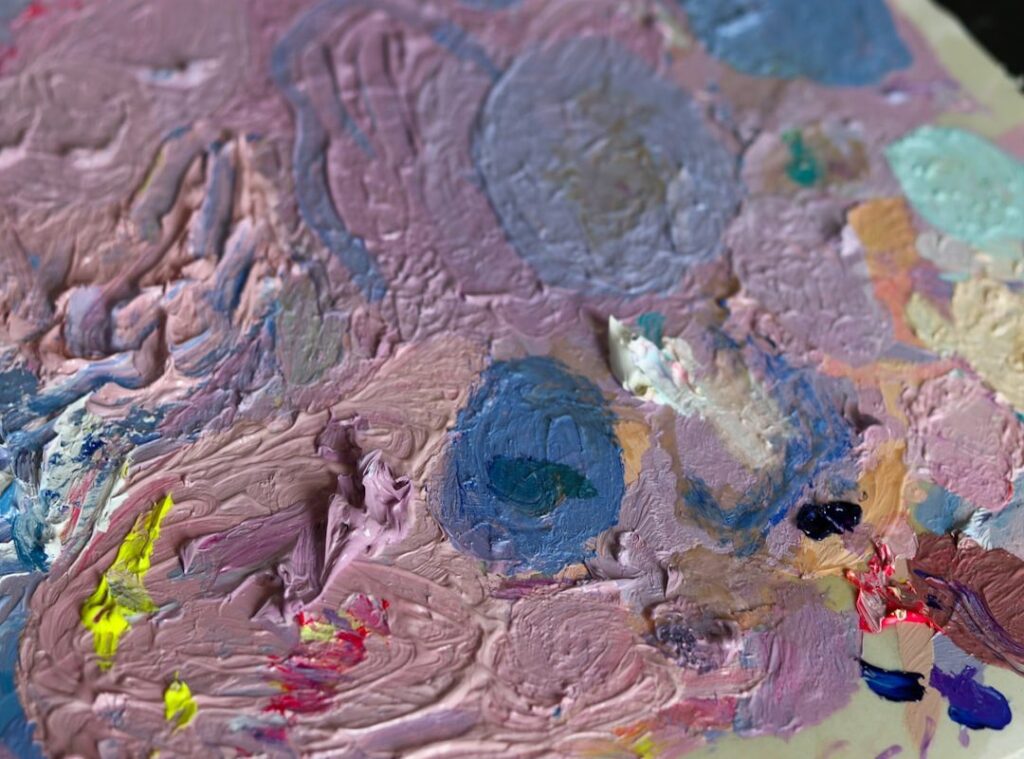
Texture in interior design isn’t just about touch. It’s how a space feels visually and physically. Ever walked into a room and felt it was missing something?
That’s texture. Tactile textures are what you feel with your hands. Visual textures are what your eyes tell you about how something might feel.
Think about it. A glass table and a wool blanket don’t just look different; they make you feel different.
Smooth, shiny textures like glass and metal reflect light. They brighten up a room, making it feel spacious. This is why modern spaces often seem so airy.
On the other hand, rough, matte textures like raw wood or linen absorb light. They create a cozy, intimate atmosphere. It’s like wrapping yourself in a warm sweater on a chilly day.
Visual Weight Matters
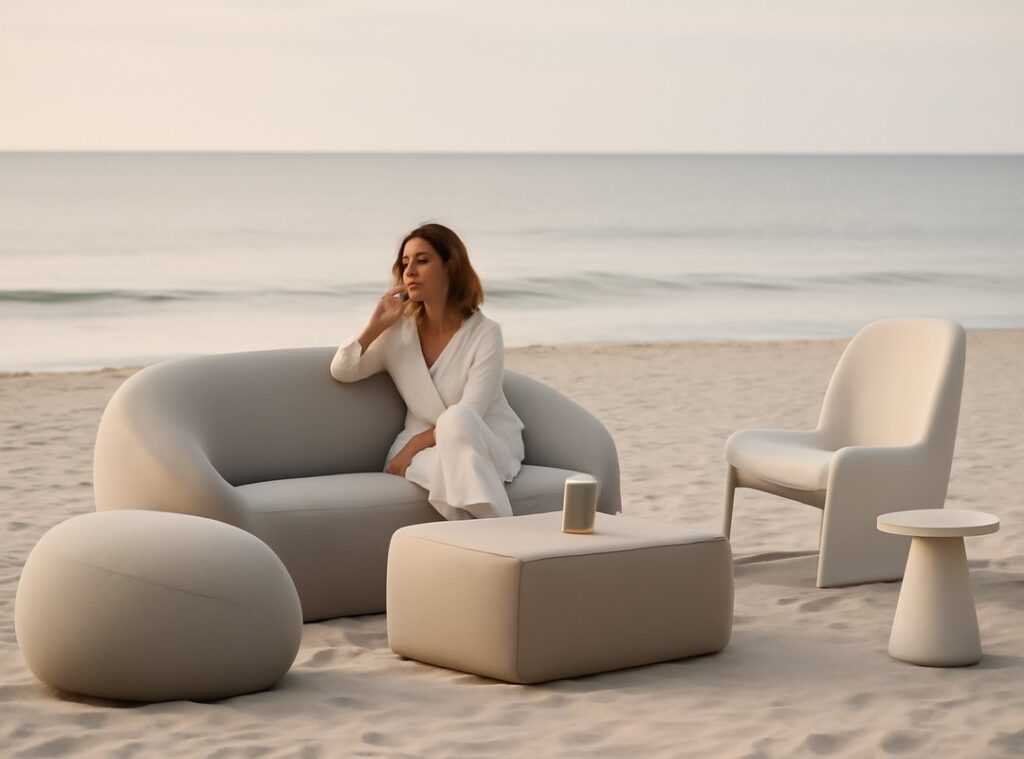
Ever heard of “visual weight”? It’s a real thing. Heavy textures like bouclé or chunky knits ground a room.
They make it feel stable. Lighter textures, like silk or sheer linen, add airiness. They give a sense of openness.
Without varied textures, a room can feel flat and boring.
Mixing textures depth is important. Your space should engage more than just your eyes. It should be a sensory experience.
A room that plays with light, weight, and texture feels alive. For more takeaways on creating flow room transitions, check out how textures can transform your space.
Incorporating texture is your secret weapon in design. It’s about balance and contrast. So, what’s your space missing?
The 3-Layer Approach to Texture: A Pro’s System
Texture in design is like adding a layer of mood to your space. Without it, everything feels flat. Ever been in a room that felt lifeless?
I have, and it’s usually because someone forgot the first layer: the Base. This is your architectural canvas. Start with wall finishes like limewash, plaster, or wallpaper.
Don’t forget the flooring. Wood grain, tile sheen, or even concrete set the stage. Ceiling details are often overlooked.
Get it right, and you’ve got a foundation that whispers sophistication.
Next comes the Mid-Ground. This layer is the heart of the room. Think sofas.
Whether it’s the weave of the fabric or the sheen of leather, it’s important. Rugs are another player. High pile can be cozy, while low pile or jute offers a different vibe.
Furniture pieces? They can be smooth or rustic. Each choice adds to the room’s texture story.
The last layer is the Accent. Most people start here, but it’s actually the finishing touch. Accent pieces like pillows, throws, and curtains (sheer or heavy) bring contrast.
Metallic decor, ceramic vases, and a few plants add personality. These elements pop against the backdrop of the first two layers.
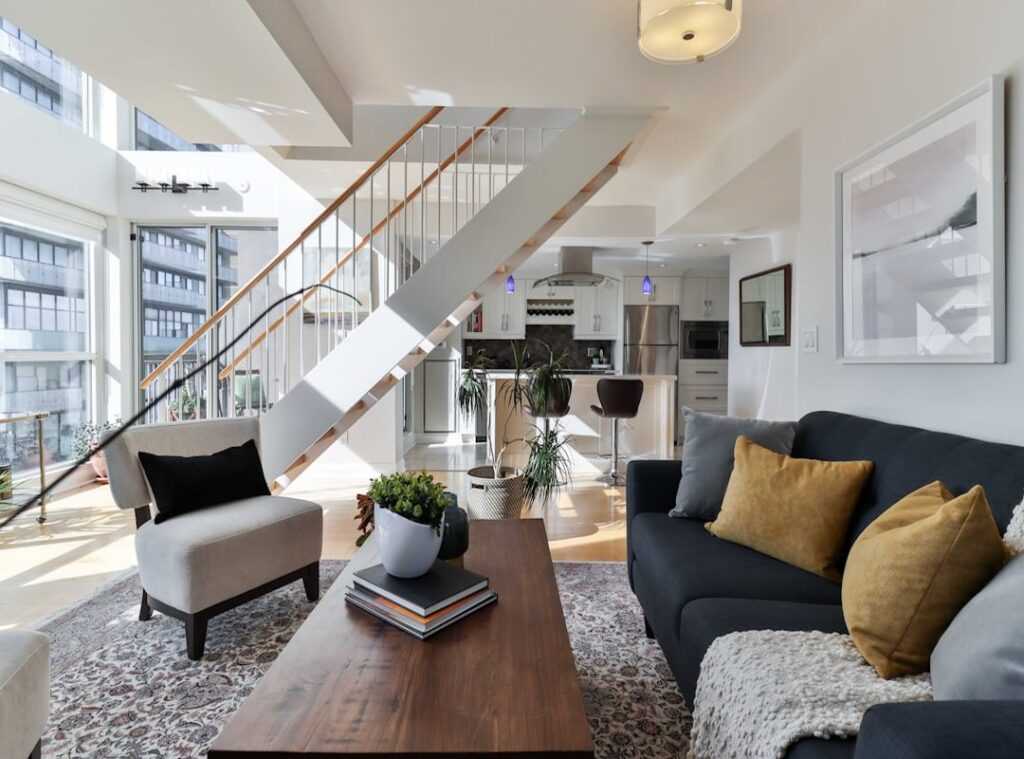
Want an example? Imagine a living room. Plaster walls set the base.
Add a linen-blend sofa for the mid-ground. Then, mix leather and wool pillows with a metal side table for accents. This combination creates a depth that’s hard to resist.
For more takeaways on creating depth with textures, check out the art of mixing textures: how. It’s a game-changer. Mixing textures depth isn’t just a trend.
It’s a skill that transforms a room from dull to changing. So, will you embrace the layers?
High-Impact Pairings: Texture Combinations That Always Work
Let’s talk about mixing textures depth. It’s the secret sauce to turning any room from meh to wow. You know how some combinations just work?
Like peanut butter and jelly. Or Netflix and a cozy blanket. Well, the same goes for textures in design.
Take rough and smooth. Imagine a live-edge rustic wood dining table paired with sleek, modern metal chairs. The contrast here is like yin and yang.
The rough wood shows off its raw beauty, while the smooth metal adds a touch of sleek sophistication. Each material stands out more against the other.
Then there’s hard and soft. Picture a plush velvet armchair on a natural jute rug next to a marble side table. The soft velvet says, “Come, sit and relax,” while the hard surfaces provide a sense of structure and elegance.
It’s the balance we crave in life, isn’t it?
Another pairing I love: matte and shiny. Think matte black kitchen cabinets with polished brass hardware and a glossy backsplash tile. The shiny parts pop and catch the eye, creating focal points in the kitchen.
Matte absorbs light, while shiny reflects it. This contrast is pure magic.
Lastly, natural and man-made. A hand-knitted wool throw draped over a smooth leather sofa. This mix is all about balance.
Organic, raw feeling meets refined sophistication. It’s like a visual hug.
If you’re experimenting with these pairings, consider checking out flexible furniture multi functional rooms. It’s a game-changer for small spaces. So, are you ready to raise your space with these texture combos?
Avoiding a Mess: 3 Common Texture Mistakes and Their Simple Fixes
Ever walked into a room and felt like you were drowning in softness? A shag rug, bouclé sofa, fluffy pillows all in one place. Sounds cozy, right?
But it can lack definition and feel like a monotone texture trap. You need contrast. A glass coffee table or a sleek metal floor lamp can break it up.
Now you’ve got depth.
Let’s talk about forgetting the foundation. People think throwing in a few pillows will fix a flat room. Nope.
Your walls and floors are crying out for attention. Here’s a pro tip: slap some peel-and-stick textured wallpaper on a feature wall or lay down a textured area rug. Even over carpet, it packs a punch.
Now, scale imbalance. Use too many small textures and the place seems cluttered. One large texture, though, and it disappears.
Mixing textures depth matters here. Pair a chunky knit blanket with finer weave pillows. Trust me, it brings balance.
Take a moment and look around your room. Does it feel off? It might be one of these mistakes.
Fixing them isn’t rocket science. It’s about tweaking the elements. You don’t need to overturn the entire room.
Just assess and adjust.
Remember, it’s not about having the most stuff. It’s about curating what you have. So, give these tips a try.
You might find your space feels as good as it looks.
Give Your Space a Fresh, Lived-In Feel
We’ve all seen those magazine-perfect rooms that feel flat, right? They look great but lack soul. You’ve got the tools now.
By focusing on mixing textures depth, you can breathe life into any room. Think about it. You already know how to layer textures and create dimension.
So here’s your challenge: pick a room this week. Identify its Base, Mid, and Accent textures. Then, add something new for contrast.
Need proof? Just look around. It’s a proven method.
You can do it. Ready to transform your space? Start now and see the difference.
 Head of Interior Trends & Concepts
Wayne Lewisignest is the kind of writer who genuinely cannot publish something without checking it twice. Maybe three times. They came to hidden gems through years of hands-on work rather than theory, which means the things they writes about — Hidden Gems, Everyday Home Optimization Tips, Essential Living Concepts and Styles, among other areas — are things they has actually tested, questioned, and revised opinions on more than once.
That shows in the work. Wayne's pieces tend to go a level deeper than most. Not in a way that becomes unreadable, but in a way that makes you realize you'd been missing something important. They has a habit of finding the detail that everybody else glosses over and making it the center of the story — which sounds simple, but takes a rare combination of curiosity and patience to pull off consistently. The writing never feels rushed. It feels like someone who sat with the subject long enough to actually understand it.
Outside of specific topics, what Wayne cares about most is whether the reader walks away with something useful. Not impressed. Not entertained. Useful. That's a harder bar to clear than it sounds, and they clears it more often than not — which is why readers tend to remember Wayne's articles long after they've forgotten the headline.
Head of Interior Trends & Concepts
Wayne Lewisignest is the kind of writer who genuinely cannot publish something without checking it twice. Maybe three times. They came to hidden gems through years of hands-on work rather than theory, which means the things they writes about — Hidden Gems, Everyday Home Optimization Tips, Essential Living Concepts and Styles, among other areas — are things they has actually tested, questioned, and revised opinions on more than once.
That shows in the work. Wayne's pieces tend to go a level deeper than most. Not in a way that becomes unreadable, but in a way that makes you realize you'd been missing something important. They has a habit of finding the detail that everybody else glosses over and making it the center of the story — which sounds simple, but takes a rare combination of curiosity and patience to pull off consistently. The writing never feels rushed. It feels like someone who sat with the subject long enough to actually understand it.
Outside of specific topics, what Wayne cares about most is whether the reader walks away with something useful. Not impressed. Not entertained. Useful. That's a harder bar to clear than it sounds, and they clears it more often than not — which is why readers tend to remember Wayne's articles long after they've forgotten the headline.