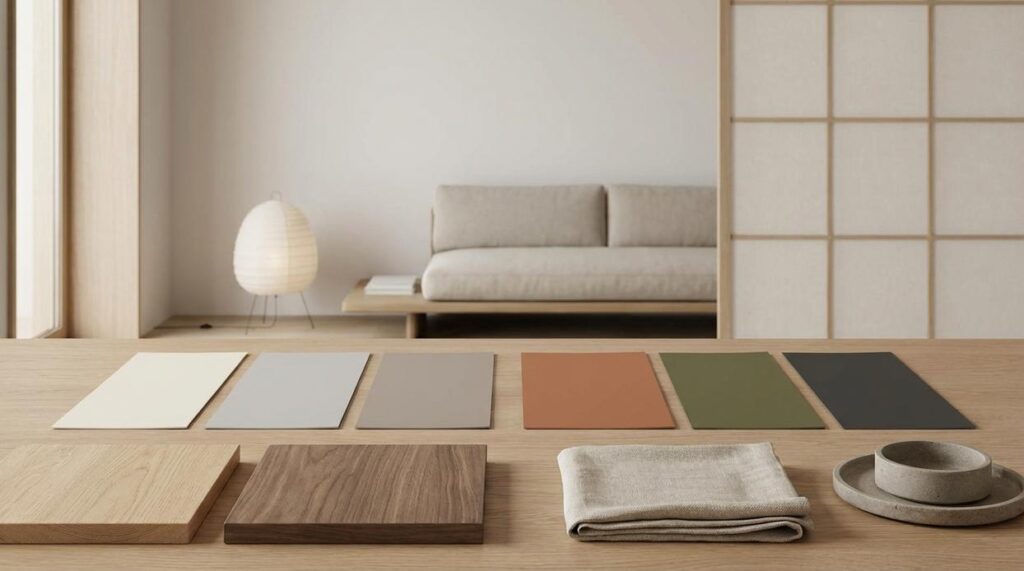
What if your home could feel lighter, calmer, and more intentional without sacrificing warmth? That’s the promise of japandi style homes—not just a passing trend, but a philosophy that blends Japanese minimalism with Scandinavian comfort. In a world where clutter and visual noise quietly fuel daily stress, many people are searching for a simpler, more harmonious way to live. This article is your clear, achievable guide to that balance. By the end, you’ll understand the core principles behind this aesthetic and have practical, actionable steps to create a serene, beautifully functional space of your own.
The Philosophy of Fusion: Understanding Wabi-Sabi and Hygge
The first time I swapped a glossy coffee table for a slightly uneven, live-edge wood slab, a friend asked if it was “unfinished.” That question perfectly captures wabi-sabi—the Japanese philosophy of finding beauty in imperfection. Wabi-sabi values authenticity, natural materials, and the quiet dignity of age. Think handmade pottery with irregular glazing or linen curtains that wrinkle in the sunlight (because perfection is overrated).
By contrast, hygge (pronounced hoo-gah) is a Danish concept centered on coziness and emotional warmth. It’s the feeling of soft wool socks, warm ambient lighting, and a sofa you actually want to sink into after a long day. Researchers in the Journal of Happiness Studies have linked hygge-inspired environments to increased feelings of well-being (Meik Wiking, 2017).
Some critics argue these philosophies clash—minimalism versus comfort. But in practice, they balance each other beautifully. Wabi-sabi prevents hygge from becoming cluttered. Hygge keeps wabi-sabi from feeling stark.
In japandi style homes, you’ll often notice:
- Neutral palettes grounded in wood tones
- Functional furniture with soft textures
- Handcrafted accents that feel personal, not staged
The result is a space that feels calm, warm, and quietly alive.
Building the Japandi Palette: Essential Colors and Natural Materials
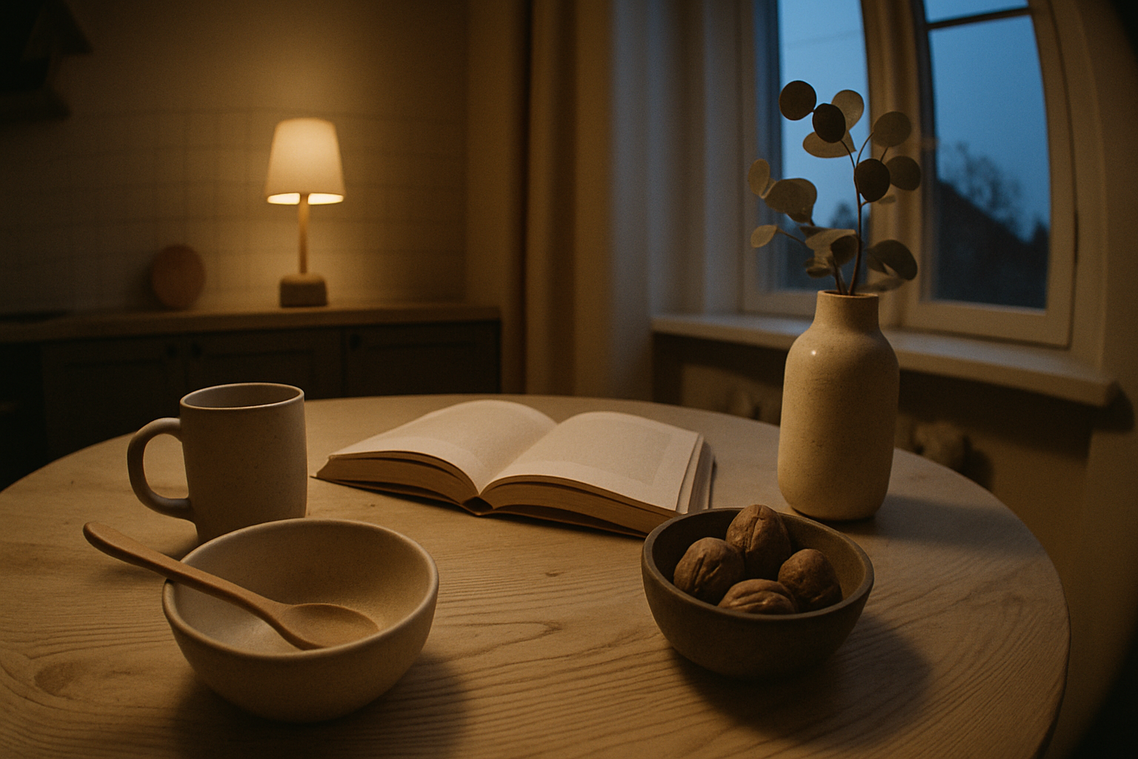
Designing the Japandi palette starts with restraint. Think of color as a quiet backdrop, not the main character. Begin with a neutral base—oatmeal, warm stone, or soft cream—then layer in contrast through charcoal, indigo, or muted green. These darker, earthy tones ground the room and prevent it from feeling washed out. Some critics argue this palette is too subdued or “safe.” But subtle doesn’t mean boring. In fact, restraint creates longevity (bold trend colors often date a room faster than last season’s fashion).
Wood plays a defining role. Light Scandinavian woods like oak, maple, and ash brighten a space, while darker Japanese woods such as walnut or stained cedar add weight and contrast. Mixing tones adds visual depth—like harmony in music, where higher and lower notes balance each other. If you’re worried about clashing, focus on undertones. Warm woods pair best with other warm finishes.
Natural textures complete the look and connect interiors to the outdoors:
- Bamboo and rattan for accent chairs or lighting
- Jute rugs for organic texture underfoot
- Linen or cotton upholstery and throws for softness
In japandi style homes, materials matter as much as color. But here’s the prize-worthy technique: embrace negative space. An uncluttered wall or open floor area gives furniture and textures room to breathe.
What’s next? Once your palette and materials are set, consider lighting and layout. Soft, diffused light enhances wood grain, while thoughtful spacing ensures every piece feels intentional—not crowded.
Furnishing with Intent: Functionality, Craftsmanship, and Clean Lines
Function over form doesn’t mean sacrificing beauty. It means every piece earns its place. A chair should support conversation. A table should invite gathering. Even a lamp should cast intentional light (not just fill an empty corner). In japandi style homes, this philosophy is foundational: design is purposeful, calm, and quietly confident.
Some argue that purely decorative objects add personality. And yes, a home without soul feels staged. But there’s a difference between meaningful detail and visual noise. When decor exists only to fill space, it often distracts from craftsmanship and flow.
Furniture Characteristics
Ideal pieces are:
- Low-profile, grounding the room
- Built with clean lines and minimal ornamentation
- Crafted from natural materials like oak, walnut, linen, or stone
- Designed with longevity in mind
Think simple platform beds, sleek sideboards with hidden storage, and minimalist sofas in neutral fabrics. High-quality craftsmanship—tight joinery, smooth finishes, balanced proportions—is what elevates restraint into refinement. (You can feel the difference when you run your hand along solid wood versus veneer.)
Statement Pieces vs. Clutter
Instead of layering shelves with small, mass-produced items, choose one or two artisan-made statement pieces: a sculptural chair, a hand-thrown ceramic vase, or a hand-carved coffee table. Critics might say minimal styling feels sparse. But restraint highlights what matters. One extraordinary piece speaks louder than ten forgettable ones.
Bringing Nature Indoors
Nature should feel intentional, not jungle-like. A single fiddle-leaf fig, a bonsai, or slender bamboo adds organic contrast without chaos. Strategic greenery supports calm—much like the principles discussed in open concept living benefits challenges and smart solutions, where balance defines success.
(Pro tip: When in doubt, remove one item. If the room feels lighter, you made the right call.)
The Living Room Reset
Last year, I downsized and learned the hard way that space shapes mood (ever notice how clutter hums in the background?). In japandi style homes, the living room centers on a low-slung sofa, a simple wood coffee table, and a textured wool or jute rug. Soft, ambient lighting matters; harsh overheads spike cortisol, according to sleep research from Harvard Medical School. Some argue minimal rooms feel cold. I disagree—texture creates warmth.
The bedroom became my sanctuary:
- platform bed
- linen bedding
- clear surfaces
Pro tip: follow a one in, one out rule daily.
Creating a Lasting Haven of Simplicity and Comfort
A chaotic home can quietly drain your energy. japandi style homes offer the antidote—spaces that feel calm, intentional, and beautifully understated. By embracing wabi-sabi’s imperfect charm, inviting hygge-inspired comfort, incorporating natural materials, and choosing functional, well-crafted furniture, you create an environment that works with your life instead of against it.
You wanted a home that feels peaceful yet practical. Now you have the blueprint.
Start small. Declutter one room. Add a living plant or a soft linen throw. One thoughtful change can begin your journey toward a simpler, more serene space—proof that comfort and clarity can coexist every day.