
If you’re searching for fresh ways to elevate your living space, you’re likely looking for ideas that are both inspiring and practical. This article delivers exactly that—covering the latest interior trends, timeless design techniques, and smart strategies that make everyday living more functional and beautiful. From eye-catching focal points to subtle upgrades that transform a room’s atmosphere, we break down what truly works in modern homes.
We also explore sustainable home concepts that blend style with responsibility, helping you create spaces that are as efficient as they are elegant. Every insight is grounded in careful research, current design movements, and proven optimization methods that homeowners are successfully applying today.
Whether you want to refresh a single room or rethink your entire home’s flow, you’ll find clear, actionable guidance tailored to your goals—so you can move from inspiration to implementation with confidence.
Designing a greener home does not require a degree in environmental science. In fact, once you understand key terms—like energy efficiency (using less power for the same result) and passive design (letting sunlight and airflow do the work)—the process feels manageable.
Start with shifts. For example, switching to LED bulbs cuts electricity use. Then consider bigger upgrades, such as insulation or solar panels. Although some argue costs are prohibitive, incentives and long-term savings often offset them.
To simplify, focus on sustainable home concepts that fit your budget:
- Seal drafts
- Install low-flow fixtures
- Choose reclaimed materials
Everyday Optimizations: Small Changes for a Big Impact
Big transformations don’t require a renovation budget—just smarter systems. Think of this as PASSIVE CONSERVATION: small upgrades that work quietly in the background, saving money and effort long term.
Energy Efficiency Habits That Pay You Back
Program a smart thermostat to adjust while you sleep or work, seal sneaky air leaks with weatherstripping, and swap outdated bulbs for LEDs. The U.S. Department of Energy notes LEDs use at least 75% less energy and last 25 times longer than incandescent lighting. That means lower utility bills and fewer ladder climbs (your future self says thanks).
Water Conservation Techniques That Add Up
Low-flow aerators and showerheads reduce water use without sacrificing pressure. Fixing a single dripping faucet can save hundreds of gallons a year, according to the EPA. Add a rainwater barrel for gardening and watch your outdoor water bill shrink.
- Install aerators
- Repair leaks fast
- Collect rainwater
Waste Reduction Systems with Style
Set up labeled recycling and compost bins that blend into your kitchen design—proof that sustainable home concepts can look polished, not patchwork.
Non-Toxic Cleaning Routines
Mix vinegar, baking soda, and a few drops of essential oil for an all-purpose cleaner. You’ll cut plastic waste and reduce indoor pollutants—clean counters, cleaner air, CLEAR BENEFITS.
Intentional Upgrades: High-Impact Renovations for a Sustainable Future
Making intentional upgrades starts with understanding what actually moves the needle. First, insulation. Insulation is simply a material that slows heat transfer, keeping warm air inside during winter and outside during summer. Upgrading attic, wall, and crawl space insulation reduces energy loss dramatically (the attic alone can account for up to 25% of heat loss, according to the U.S. Department of Energy). While fiberglass is common and affordable, alternatives like cellulose (recycled paper treated for fire resistance), cork (a renewable bark product), and sheep wool (naturally moisture-regulating) offer comparable performance with lower environmental impact.
Next, consider high-performance windows. Double- or triple-pane windows use multiple layers of glass separated by insulating gas. Low-E (low emissivity) coatings are thin metallic layers that reflect heat while letting in light. As a result, indoor temperatures stay more stable, HVAC systems work less, and energy bills shrink. ENERGY STAR reports that efficient windows can cut household energy bills by up to 12%. The upfront cost can feel steep; however, improved comfort and resale value often balance the equation.
Then comes electrification. Switching from natural gas to electric appliances reduces onsite fossil fuel use. Induction cooktops use electromagnetic energy to heat pans directly (which means faster boiling and safer surfaces). Heat pump water heaters move heat instead of generating it, making them up to three times more efficient than conventional models (U.S. DOE).
Finally, solar integration ties everything together:
- Assess roof orientation and shading.
- Evaluate battery storage for backup power.
- Research federal and local incentives.
Together, these upgrades align practical savings with sustainable home concepts, making efficiency feel achievable rather than overwhelming.
Foundational Design: Building Green from the Start
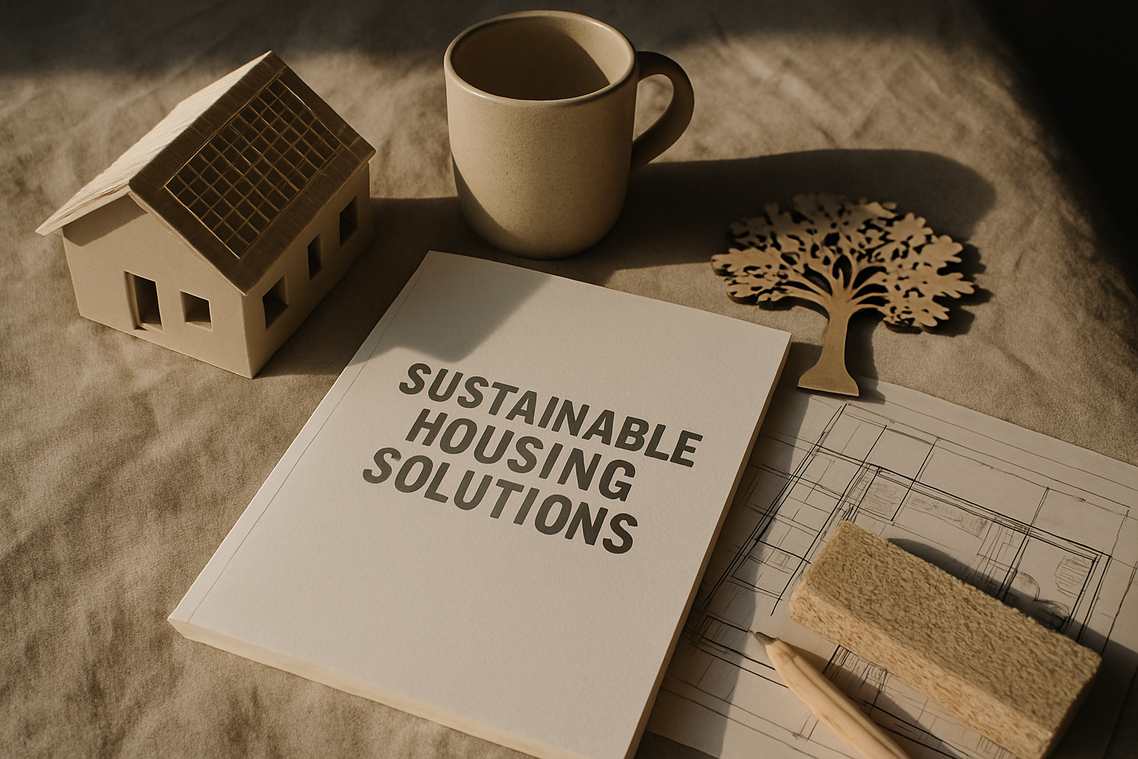
In my view, truly efficient homes aren’t retrofitted—they’re planned that way from day one. That’s where Passive House principles come in. This approach focuses on strategic orientation (positioning a home to maximize winter sun and minimize summer heat), airtight construction, superinsulation, and energy recovery ventilation (ERV), which recycles indoor air while retaining heat. Some critics argue airtight homes feel “sealed off.” However, with a properly installed ERV, you get fresh, filtered air without energy loss (and no, it doesn’t feel like living in a Tupperware container).
Then there are green roof systems. Beyond their visual appeal, living roofs absorb stormwater, reduce heat gain, and create pollinator habitats. Opponents point to cost and maintenance. Fair—but when designed correctly, they extend roof lifespan and improve insulation, often offsetting upfront expense over time.
Geothermal heating and cooling is another game changer. Ground source heat pumps use the earth’s stable underground temperature to regulate indoor climate, making them among the most efficient HVAC systems available (U.S. DOE). Yes, installation costs more initially, but long-term savings and lower emissions make it worthwhile.
Finally, designing for natural light—through smart window placement, skylights, and light tubes—cuts electricity use and boosts mood (Harvard T.H. Chan School of Public Health). For more on layout strategy, explore open concept living benefits and design considerations. Thoughtful planning is the backbone of sustainable home concepts.
The Eco-Conscious Palette: Sustainable Materials and Finishes
Choosing sustainable materials isn’t just good for the planet—it’s a smart upgrade for your everyday life. Start with flooring: reclaimed wood offers rich character and keeps usable timber out of landfills, while bamboo and cork regenerate quickly and provide impressive durability. Polished concrete delivers a sleek, modern edge and pairs beautifully with low-VOC (volatile organic compound) finishes, reducing harmful indoor emissions. The benefit? Cleaner air and long-term resilience underfoot.
Eco-friendly countertops like recycled glass, reclaimed wood, and composite paper blend standout aesthetics with thoughtful lifecycle design. They’re durable, conversation-worthy, and often easier to maintain than you’d expect (yes, style and practicality can coexist).
For walls, low-VOC or zero-VOC paints and natural plasters like clay or lime improve indoor air quality while adding subtle texture. Salvaged doors, fixtures, and hardware reduce waste and inject one-of-a-kind charm. Embracing sustainable home concepts means healthier spaces, lower environmental impact, and a home that truly reflects your values.
Creating an environmentally friendly home isn’t an all-or-nothing overhaul; rather, it’s a series of intentional upgrades. If you feel overwhelmed, start small. Seal a drafty window with weatherstripping, which can reduce heat loss by up to 20% according to the U.S. Department of Energy, and notice the immediate comfort. Next, explore sustainable home concepts like low-VOC paint for healthier indoor air. These features don’t just lower emissions; they create quieter, brighter, more beautiful rooms. Pro tip: tackle one project per month to build momentum without burnout. For more practical ideas, browse this guide to energy-efficient lighting. Then begin today. Confidently.
Bring Your Home Vision to Life
You came here looking for practical inspiration that makes your home more beautiful, functional, and aligned with modern living. Now you have a clearer understanding of the interior trends, smart design techniques, and sustainable home concepts that can transform your space without overwhelming your lifestyle.
A home that feels outdated, cluttered, or inefficient can quietly drain your energy every day. The right design choices don’t just improve how your space looks—they improve how you live in it. When you apply these ideas intentionally, you create a home that supports your routines, reflects your personality, and maximizes every square foot.
Now it’s time to take action. Start by choosing one room and implementing a single high-impact change today. Explore more expert-backed inspiration, practical guides, and trend insights trusted by design-savvy homeowners who want results. Don’t let your dream space stay a vision—take the next step and turn it into reality now.