
Looking to refresh your space but not sure where to start? Whether you’re craving a full transformation or subtle upgrades that make a big impact, this guide is designed to help you turn inspiration into action. From emerging interior trends to practical styling strategies, we break down exactly what works—and why—so you can create a home that feels intentional, functional, and uniquely yours.
Many homeowners struggle to balance aesthetics with everyday comfort. That’s why this article focuses on actionable room makeover tips that blend smart design principles with real-life usability. We explore layout optimization, color psychology, lighting techniques, and statement details that elevate any room without unnecessary overwhelm.
Our insights are grounded in careful trend analysis, timeless design fundamentals, and practical home optimization strategies. Instead of fleeting fads, you’ll find guidance you can trust—ideas that enhance both visual appeal and daily living. By the end, you’ll have clear, achievable steps to transform your space with confidence.
Breathing New Life Into Your Home: A Practical Guide
Feeling stuck with a space that looks tired? You are not alone. The key is SMALL, STRATEGIC shifts. Start with lighting (it changes mood instantly), then reassess layout for flow and function. A “focal point” means the visual anchor of a room, like a fireplace or bold artwork.
Use room makeover tips to prioritize paint, textiles, and decluttering before buying big-ticket items.
• Swap outdated fixtures for modern hardware
• Rearrange furniture before purchasing anything new
Next, ask yourself: does each room support your DAILY habits? If not, what’s the next micro-upgrade?
The Foundation: Defining Your Style and Optimizing Flow
Before you buy a single pillow, ask yourself: What is this room really for? Is it your relaxation hub after long workdays, an entertainment center for Friday movie marathons, or a family zone where everyone piles in? Function dictates form. A serene reading retreat won’t thrive with blaring surround sound (unless your idea of peace is action-movie marathons).
Have you ever wondered why some rooms just feel right the moment you walk in? Often, it starts with clarity of purpose.
Next, create a mood board. Pull images from Pinterest or magazines and look for patterns. Are you drawn to calm neutrals or bold, energetic colors? Focus on the feeling behind the images. Designers call this visual cohesion—when elements share a common emotional thread.
Then comes decluttering. The “essential living” concept means removing what no longer serves the space’s new role. If it doesn’t support your vision, it’s visual noise (yes, even that chair-turned-laundry-rack).
- Define the room’s purpose
- Build a cohesive mood board
- Clear what no longer fits
Finally, map your layout. Create conversational groupings and small “zones” within larger areas. Smart furniture placement improves flow and comfort—core room makeover tips that truly transform how you live in the space.
Maximum Impact: Mastering Color and Furniture
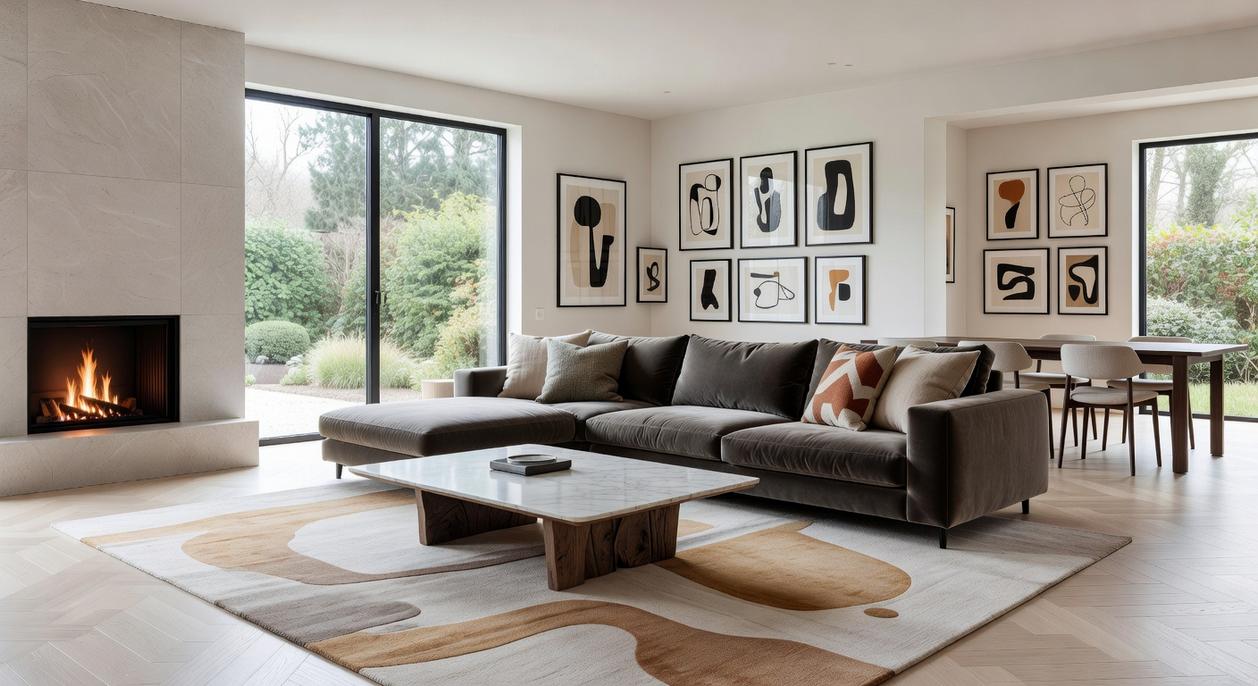
Ever walk into a room and feel… off? The sofa swallows the space. The paint color looked “calm” in the store but screams hospital hallway at home. You’re not alone. Most design frustration comes from ignoring a few foundational rules.
1. The Power of a Palette
The 60-30-10 rule keeps chaos in check: 60% dominant color (walls), 30% secondary (furniture), 10% accent (pillows, art). It’s basically the playlist formula of interiors—structure first, flair second. Timeless combos? Warm white, camel, and matte black. Navy, brass, and crisp white. Sage, oak, and cream. When rooms feel messy, it’s usually because every color is fighting for the mic.
2. Painting for Effect
Light colors reflect more light, making small rooms feel open. Dark shades absorb light, creating intimacy (great for bedrooms, risky for tiny hallways). If repainting everything feels overwhelming, try one accent wall. It’s budget-friendly and delivers instant drama—without committing to a full “why did I do this?” moment.
3. Anchor with a Focal Point
Every room needs a star. A fireplace, bold art piece, or statement sofa grounds the layout. Position seating to face it. Otherwise, the room feels like guests showed up before you set the table.
4. Furniture That Fits
Measure. Then measure again. Oversized sectionals in compact rooms are a universal pain point. Choose scaled pieces and multi-functional furniture—storage ottomans, extendable tables—for everyday optimization.
For more seasonal refresh ideas, explore seasonal home inspiration updating your space year round.
Smart room makeover tips start with proportion, not Pinterest.
Layering Like a Pro: Texture, Light, and Life
A beautiful room rarely relies on color alone. Instead, it thrives on texture—the surface quality of materials that makes a space feel inviting rather than flat. Think wool vs. leather, linen vs. velvet. A smooth leather chair (sleek, cool, a little dramatic) feels entirely different when paired with a chunky knit throw. Likewise, a woven basket beside a polished metal lamp creates contrast that feels intentional, not accidental.
On the other hand, a room filled with only glossy finishes can feel cold and staged—like a furniture showroom you’re afraid to touch. By comparison, layering wood, fabric, and metal adds depth and what designers call visual weight (how heavy something feels to the eye). In other words, texture is the difference between “nice” and “lived-in.”
Equally important is lighting. Ambient lighting provides overall illumination, task lighting supports activities like reading or cooking, and accent lighting highlights art or architectural features. Overhead lighting alone vs. layered lighting? The first feels clinical; the second feels cinematic (think cozy dinner scene, not dentist’s office). Dimmers, meanwhile, allow mood control at a moment’s notice—bright for productivity, soft for winding down.
Finally, bring the outside in. Houseplants add color, improve air quality according to NASA Clean Air Study findings, and introduce a calming natural element. Snake plants and pothos are low-maintenance favorites. When combined thoughtfully, these room makeover tips transform a space from functional to soulful.
The Finishing Touches: Personality and Smart Spending
Most competitors stop at “declutter.” Here’s what they miss: personality is the difference between staged and lived‑in well.
Displaying Personal Items works best with the rule of three—group objects in threes to create balance and visual rhythm. A ceramic vase, a framed photo, and a small sculpture feel intentional; seven scattered souvenirs feel chaotic (even if each one sparks joy). Leave negative space so your eye can rest.
Window Treatments Matter. Hang curtains high and wide to make ceilings feel taller and windows grander. Designers have long used this illusion in model homes because perceived height influences how spacious a room feels (National Association of Home Builders).
High-Impact, Low-Cost Swaps outperform expensive renovations:
| Swap | Why It Works |
|——|————–|
| Throw pillows | Instant color refresh |
| Area rug | Defines zones |
| Cabinet hardware | Modernizes cabinets fast |
| New lampshade | Softens lighting |
The Power of a Great Rug? It anchors furniture, absorbs sound, and visually connects elements—like the final chord in a song.
Smart room makeover tips focus on edits, not excess.
You’re not stuck—you’re uninspired. I believe most homes don’t need demolition, just direction. The shift starts small. Clear one surface, sketch a mood board, test bold room makeover tips. Momentum builds fast. Beauty follows intention. Start today, and watch your space finally reflect you. Transformation favors the decisive, always. Act.
Bring Your Vision to Life with Confidence
You came here looking for clarity, inspiration, and practical direction for transforming your space—and now you have it. From smart styling strategies to functional upgrades, you’ve seen how intentional choices can completely shift the look and feel of your home.
The real frustration isn’t a lack of ideas—it’s not knowing which ones will actually work in your space. Second-guessing paint colors, furniture layouts, or décor choices can waste time and money. The right room makeover tips eliminate that overwhelm and give you a clear path forward.
Now it’s your move. Start with one room. Apply the ideas that resonated most. Focus on function first, then layer in personality. Small, strategic updates can create dramatic results.
If you’re ready to stop scrolling and start transforming, explore more expert-backed inspiration and proven room makeover tips designed to simplify decisions and elevate your home with confidence. Discover practical ideas trusted by thousands of design-focused readers—then take action and create a space that truly feels like yours.