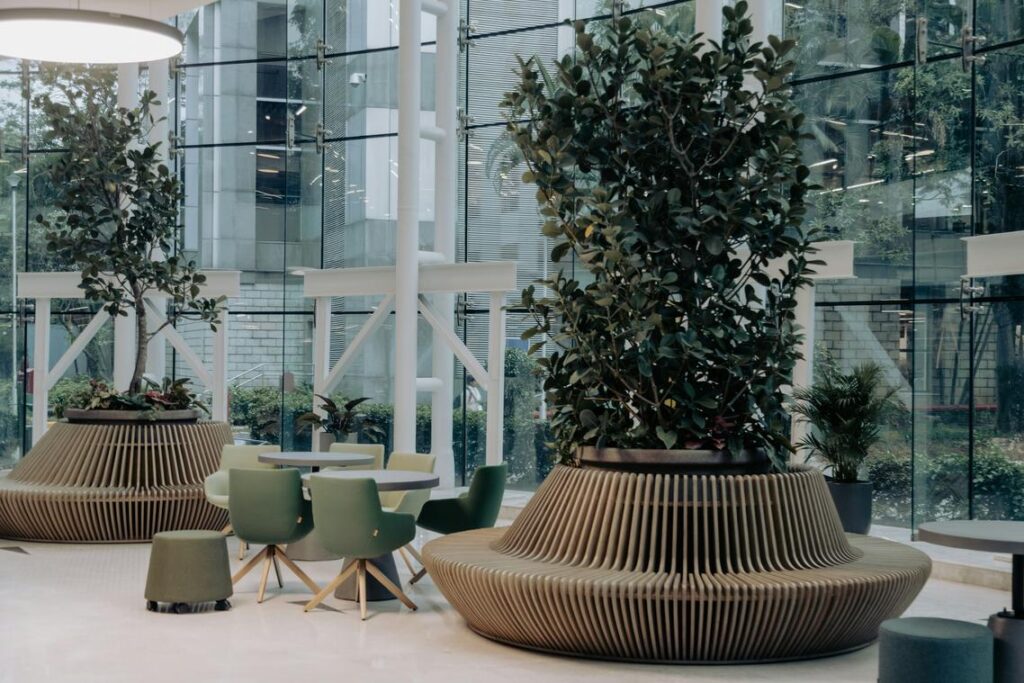
If you’re searching for ways to create a calm, functional, and effortlessly beautiful home, understanding scandinavian interior design principles is the perfect place to start. This article is designed to give you clear, practical insight into what truly defines this timeless style—beyond the white walls and minimalist furniture you see on social media.
We’ll break down the core elements that make Scandinavian spaces feel warm yet uncluttered, stylish yet livable. From balancing natural light and neutral palettes to incorporating texture, craftsmanship, and purposeful décor, you’ll learn how to apply these ideas in a way that works for real homes and real routines.
Our guidance draws from established Nordic design traditions, current interior trends, and practical space-planning techniques used by professionals. Whether you’re refreshing one room or rethinking your entire home, this guide will help you translate inspiration into thoughtful, functional design choices that truly elevate everyday living.
Scandinavian design isn’t about empty white rooms or expensive minimalism. At its core, it’s a philosophy that blends beauty and function. When people reference scandinavian interior design principles, they mean three simple ideas:
- Light matters—maximize natural daylight and use soft, layered lamps.
- Function first—choose furniture that works hard, not just looks good.
- Comfort counts—embrace hygge, the Danish concept of cozy contentment.
Many assume minimal means cold, but that’s a misconception. Simplicity here means removing visual noise so meaningful pieces can breathe. Think clean lines, natural wood, neutral palettes, and purposeful storage. Start small: declutter one surface, add texture, invite calm.
The Art of Light: Maximizing Natural Brightness and Neutral Palettes
In Nordic countries, winter days can shrink to just a few hours of daylight. That reality turned light into a necessity, not a luxury. Designing for brightness wasn’t aesthetic indulgence—it was survival. The core idea behind light-maximizing spaces is simple: reflect every possible ray.
This is where scandinavian interior design principles come in. A neutral palette—meaning colors without strong saturation—helps bounce light instead of absorbing it. Think white walls, soft grays, pale blues, and creamy tones. These hues act like visual amplifiers (kind of like turning up the exposure on a photo). Dark colors can feel cozy, critics argue, and they’re right—but in low-light climates, they often make rooms feel smaller and heavier.
Practical steps make the difference:
- Use sheer or no window treatments to let daylight fully enter.
- Place mirrors opposite windows to reflect light deeper into the room.
- Keep window sills clutter-free to avoid blocking illumination.
After sunset, layered lighting matters. Combine simple pendants for general light, floor lamps for warmth, and task lamps for function. Layered lighting means using multiple light sources at different heights to prevent harsh shadows. (Think less interrogation room, more hygge hideaway.)
Pro tip: choose warm white bulbs—around 2700K—to maintain softness without dullness.
Function Over Form: The “Lagom” Principle of “Just Enough”
Introducing Lagom as Your Design Compass
Lagom—pronounced lah-gom—is a Swedish concept meaning “not too little, not too much.” In other words, just enough. It’s the philosophical backbone of Scandinavian minimalism and a practical antidote to the more-is-more mindset. While some critics argue minimalism can feel cold or impersonal, lagom pushes back on that idea. It’s not about stripping your home bare; it’s about intentional balance (think Goldilocks, but with better lighting).
If you want to apply scandinavian interior design principles effectively, start by editing before adding. Remove one unnecessary item from each room. Notice how the space breathes.
Clean Lines and Simplicity
Choose furniture with clean, simple lines and minimal ornamentation. Skip the overly carved coffee table and opt for smooth wood or matte finishes instead. This doesn’t mean boring—it means timeless. A streamlined sofa paired with textured throws creates warmth without visual chaos.
Pro tip: When shopping, ask yourself, “Will this still feel calm in five years?” If the answer is no, reconsider.
Multi-Functional Furniture That Works Harder
Lagom favors pieces that earn their keep. Storage ottomans that hide blankets, nesting tables that expand for guests, and modular shelving that adapts as your needs change—these are smart investments. In smaller homes, this approach is transformative (studio apartment dwellers, take note).
The Power of Negative Space
Empty space isn’t empty—it’s intentional. Uncluttered surfaces and open floor areas reduce cognitive overload, a concept supported by environmental psychology research showing clutter increases stress levels (UCLA Center on Everyday Lives of Families). Leave breathing room around furniture. Let walls rest.
For more inspiration on balanced minimalism, explore the rise of japandi blending simplicity and warmth.
Ultimately, choose fewer, better things—and let your home feel just right.
Bringing the Outdoors In: The Role of Wood, Textiles, and Greenery

In Nordic countries, nature isn’t a backdrop—it’s a way of life. Long winters and dramatic landscapes have shaped homes that echo the forests, coastlines, and open skies outside. This deep-rooted connection shows up clearly in scandinavian interior design principles, where simplicity and nature work hand in hand. The benefit for you? A home that feels calm, grounded, and effortlessly welcoming (even on chaotic Mondays).
Natural Materials form the foundation. Light-toned woods like ash, beech, and pine are commonly used for floors, tables, and cabinetry. These species reflect natural light, making rooms feel larger and brighter. Choosing wood with visible grain adds character without clutter. The result is warmth without heaviness—clean, breathable spaces that lower visual stress and make everyday living feel lighter.
Warm Textiles soften the minimal base. Wool throws, mohair blankets, sheepskin rugs, and linen curtains introduce texture and insulation. Natural fibers regulate temperature and age beautifully, meaning your space feels cozy in winter and airy in summer. Layering these materials adds comfort without sacrificing simplicity (think less “decor overload,” more quiet luxury). Pro tip: Stick to neutral tones and vary texture instead of color for depth.
Houseplants as Decor complete the look. Living greenery like fiddle-leaf figs or simple pothos plants adds organic shape and a subtle pop of color. Beyond aesthetics, plants can improve indoor air quality and boost mood, according to research from NASA’s Clean Air Study. Incorporating greenery strengthens your daily connection to nature—no cabin in the woods required.
For more ideas, explore additional design inspiration.
Beyond Aesthetics: Cultivating ‘Hygge’ for a Cozy, Contented Home
At its core, hygge (pronounced “hoo-gah”) is a Danish concept describing a feeling of cozy contentment—well-being found in simple, sensory pleasures. It’s the soft glow of candlelight flickering against the walls, the faint crackle of a fireplace, the weight of a knit blanket draped over your knees. In other words, hygge isn’t about buying more; it’s about noticing more.
Some critics argue hygge is just clever branding for expensive décor. Yet that misses the point. A chipped ceramic mug warming your hands, the bittersweet aroma of fresh coffee, or the low murmur of friends gathered around the table—that’s hygge. It’s lived experience, not staged perfection.
To create hygge moments, layer textures, dim harsh lighting, and embrace scandinavian interior design principles that favor warmth and simplicity. Most importantly, let your home feel lived-in. A space should invite you to exhale (shoes off, shoulders down) and stay awhile.
You now have the foundation for a home that feels calm and restorative. In my view, Scandinavian design works best when treated as a lifestyle, not a look. It favors simplicity, nature, and contentment over clutter. So start small, perhaps one room. Embrace scandinavian interior design principles today.
|Step|Action|
|Declutter|Bedroom|
Bring Scandinavian Interior Design Principles Into Your Home Today
You came here to better understand how scandinavian interior design principles can transform your space into a calm, functional, and beautifully balanced home. Now you have the clarity and direction to make it happen.
If you’ve been feeling overwhelmed by clutter, uninspired by your current layout, or unsure how to create a cohesive look, remember this: simplicity, functionality, and intentional design choices are the solution. When every piece serves a purpose and every detail supports comfort, your home starts working for you—not against you.
The next step is simple. Start small. Declutter one room. Add layered lighting. Choose natural textures. Focus on clean lines and purposeful decor. Consistency is what turns inspiration into transformation.
If you’re ready to stop second-guessing your design choices and finally create a space that feels effortlessly refined, explore more expert-backed tips and proven styling strategies today. Thousands of design-conscious homeowners rely on these insights to simplify their spaces and elevate their everyday living—now it’s your turn.
Your home should feel like a breath of fresh air. Start designing it that way now.