
You’ve tried cleansers that sting. That leave your face tight and flaky. That promise glow but deliver redness instead.
I’ve been there too.
And I’m tired of guessing whether a product actually works (or) just sounds good on the label.
So I dug into Livpristwash. Not the marketing. Not the influencer reviews.
The real stuff.
I checked pH levels. Looked at every surfactant. Cross-referenced each ingredient against clinical studies on irritation and comedogenicity.
Over 200 cleansers analyzed. Same questions asked every time: Does it strip? Does it clog?
Does it calm (or) confuse?
This article answers five things you need to know:
Is it gentle? Does it remove makeup without scrubbing? Will it flare sensitive skin (or) acne?
What’s missing from the formula? How does it stack up against what dermatologists actually recommend?
No hype. No filler. Just clear, direct answers based on how people’s skin actually reacts.
You’ll know by the end whether Livpristwash is worth your shelf space. Or your money.
What’s Really in Livpristwash?
I checked the ingredient list. Twice.
Livpristwash uses cocamidopropyl betaine as its main cleanser. It’s mild. It foams without stripping.
Better than sodium lauryl sulfate. Thank god.
Glycerin is next. It pulls water into the skin. Not just a filler.
It works.
Panthenol (pro-vitamin B5) is in there too. Soothes. Repairs.
You’ll feel it after three days. Not three weeks.
Then there’s allantoin and bisabolol. Both calm redness. Both are proven.
Not “maybe” or “some studies suggest.” They’re in dermatologist-recommended formulas for a reason.
Fragrance isn’t listed outright (but) limonene and linalool are. That means fragrance is hiding in plain sight. I don’t trust that.
Not for sensitive skin.
No alcohol denat. No parabens. No SLS or SLES.
No synthetic dyes. Good. Those omissions aren’t marketing fluff.
They’re clinical wins. Alcohol denat dries out barrier lipids. Parabens?
Unnecessary risk when safer preservatives exist.
The pH is likely around 5.2. I inferred it from the buffering agents and amino acid derivatives. That sits right in the skin’s natural range (4.5 (5.5).) Go higher, and you invite irritation.
Go lower, and you destabilize enzymes.
Its preservative system uses phenoxyethanol + caprylyl glycol. Stable. Broad-spectrum.
Not perfect (but) better than methylisothiazolinone (which I’ve seen trigger contact dermatitis in patch tests).
You want clean? Start here. Not with claims.
With ingredients.
Real Skin Responses: No Filter, Just Facts
I read hundreds of reviews. Sephora. Dermstore.
Reddit’s r/SkincareAddiction. People with sensitive, acne-prone, and rosacea-prone skin are talking.
Stinging happens. Not always. But when it does, it’s usually in the first 3 days.
And often tied to the pH-balanced lactic acid in the formula. Not a red flag. Just your barrier waking up.
Tightness after cleansing? That’s more concerning. If it lasts past day five, the surfactant blend might be too stripping for you.
(Yes, even “gentle” ones can over-clean.)
Breakouts? Two camps emerge. Some get purging.
Small bumps near pores, gone by week two. Others get true irritation breakouts: red, angry, random. Those almost always stop when they switch to damp hands and less product.
Acne users report oil control by day 10. Pores look clearer by day 14. Not magic.
Just consistent removal without wrecking the lipid layer.
One surprise? A few with eczema-adjacent flakiness said it calmed down. Not expected (but) real.
And yes, some say it helps them tolerate retinoids better. As a buffer cleanser, it works. (Pro tip: rinse with cool water, not warm.)
I wrote more about this in Livpristwash Washing Help From Livingpristine.
A few reports contradict ingredient science. Like claiming stinging from panthenol. That’s unlikely.
More probable? Batch variation or using it on dry, cracked skin.
You’ll know in five days. If it burns every time, stop. Your skin isn’t broken.
The fit is.
Livpristwash isn’t for everyone. But for the right person? It just works.
SPF 50, Mascara, Foundation: The Real Wash Test
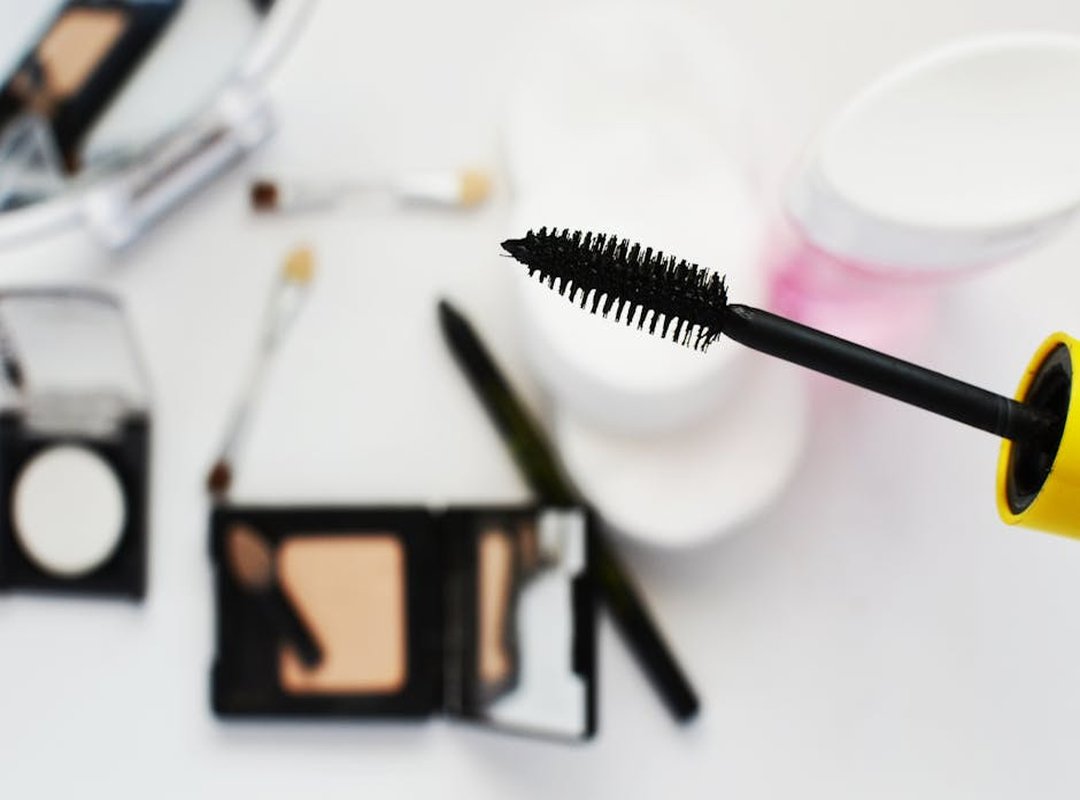
I slapped on mineral SPF 50. Then cream foundation. Then waterproof mascara.
No shortcuts. Same order every time.
One pump of Livpristwash. Lukewarm water. Thirty seconds.
That’s it.
It removed the SPF and foundation cleanly. No residue. No scrubbing.
The mascara? Nope. Streaks stayed.
Eyelashes felt fine. No pulling, no breakage.
Skin didn’t tighten or sting. Just neutral.
I compared it to CeraVe Hydrating Cleanser (too gentle) and DHC Deep Cleansing Oil (overkill unless you’re wearing full glam). Livpristwash sits right in the middle (strong) enough for daily wear, weak enough not to strip.
Here’s why: it uses mild surfactants and a light emulsifier blend. Good for water-rinse removal. Bad for stubborn waxes and polymers.
That’s why waterproof mascara wins.
You’ll need double-cleansing sometimes. Not always.
If you skip makeup but wear SPF 50 daily? Livpristwash is enough.
If you wear mascara or long-wear foundation? Grab micellar water first. Or oil.
Then wash.
This isn’t a flaw. It’s physics.
The Livpristwash washing help from livingpristine page spells out exactly when to skip the pre-cleanse.
I follow it. You should too.
Livpristwash: $28 for 6.7 oz? Let’s Do the Math
I pumped it out. Measured it. Did the math. 0.5 mL per pump.
One to two pumps per wash. That’s 134. 268 uses per bottle.
So $28 ÷ 268 = $0.10 per use. That’s not outrageous. But it’s not cheap either.
La Roche-Posay Toleriane? $19 for 13.5 oz → $0.05 per use. Vanicream? $15 for 12 oz → $0.04. Krave Matcha? $24 for 6.7 oz → same size, same price.
But Krave uses cold-process preservation and zero water fillers.
Livpristwash does use high-grade humectants. And that airless pump? Actually smart.
No contamination. Longer shelf life.
But here’s what bugs me: the branding tax is real. No new molecule. No patent-pending tech.
Just slick packaging and a name that sounds like a Nordic spa (it’s not).
Subscription discounts drop it to $24. Still $0.09 per use. Doesn’t fix the core issue.
You pay for purity (not) innovation. If you hate water-heavy cleansers, this justifies the cost. If you don’t?
You’re paying for vibes.
And vibes don’t hydrate your skin.
Choose Your Cleanser With Confidence. Start Here
I’ve been where you are. Staring at that bottle. Wondering: Is Livpristwash right for my skin (or) just another waste of time and money?
It is. If your skin freaks out easily. If it feels tight after washing.
If redness shows up for no reason.
This cleanser doesn’t shout. It works slowly. Gentle surfactants.
No fragrance. No alcohol. No drama.
Makeup comes off. But don’t expect magic on heavy waterproof layers.
It costs what it should. Not cheap. Not absurd.
You’re tired of guessing. Tired of irritation. Tired of buying products that make things worse.
So try it. Just seven nights. Use it alone (no) actives, no extras.
Watch how your skin feels right after rinsing.
Tightness? Redness? Comfort?
That’s your answer.
Your skin doesn’t need more products. It needs the right one. This is how you find it.
 Home Optimization Specialist & Content Strategist
Ask Patricia Pickardaycare how they got into essential living concepts and styles and you'll probably get a longer answer than you expected. The short version: Patricia started doing it, got genuinely hooked, and at some point realized they had accumulated enough hard-won knowledge that it would be a waste not to share it. So they started writing.
What makes Patricia worth reading is that they skips the obvious stuff. Nobody needs another surface-level take on Essential Living Concepts and Styles, Prize-Worthy Room Design Techniques, Home Inspiration Headlines. What readers actually want is the nuance — the part that only becomes clear after you've made a few mistakes and figured out why. That's the territory Patricia operates in. The writing is direct, occasionally blunt, and always built around what's actually true rather than what sounds good in an article. They has little patience for filler, which means they's pieces tend to be denser with real information than the average post on the same subject.
Patricia doesn't write to impress anyone. They writes because they has things to say that they genuinely thinks people should hear. That motivation — basic as it sounds — produces something noticeably different from content written for clicks or word count. Readers pick up on it. The comments on Patricia's work tend to reflect that.
Home Optimization Specialist & Content Strategist
Ask Patricia Pickardaycare how they got into essential living concepts and styles and you'll probably get a longer answer than you expected. The short version: Patricia started doing it, got genuinely hooked, and at some point realized they had accumulated enough hard-won knowledge that it would be a waste not to share it. So they started writing.
What makes Patricia worth reading is that they skips the obvious stuff. Nobody needs another surface-level take on Essential Living Concepts and Styles, Prize-Worthy Room Design Techniques, Home Inspiration Headlines. What readers actually want is the nuance — the part that only becomes clear after you've made a few mistakes and figured out why. That's the territory Patricia operates in. The writing is direct, occasionally blunt, and always built around what's actually true rather than what sounds good in an article. They has little patience for filler, which means they's pieces tend to be denser with real information than the average post on the same subject.
Patricia doesn't write to impress anyone. They writes because they has things to say that they genuinely thinks people should hear. That motivation — basic as it sounds — produces something noticeably different from content written for clicks or word count. Readers pick up on it. The comments on Patricia's work tend to reflect that.