
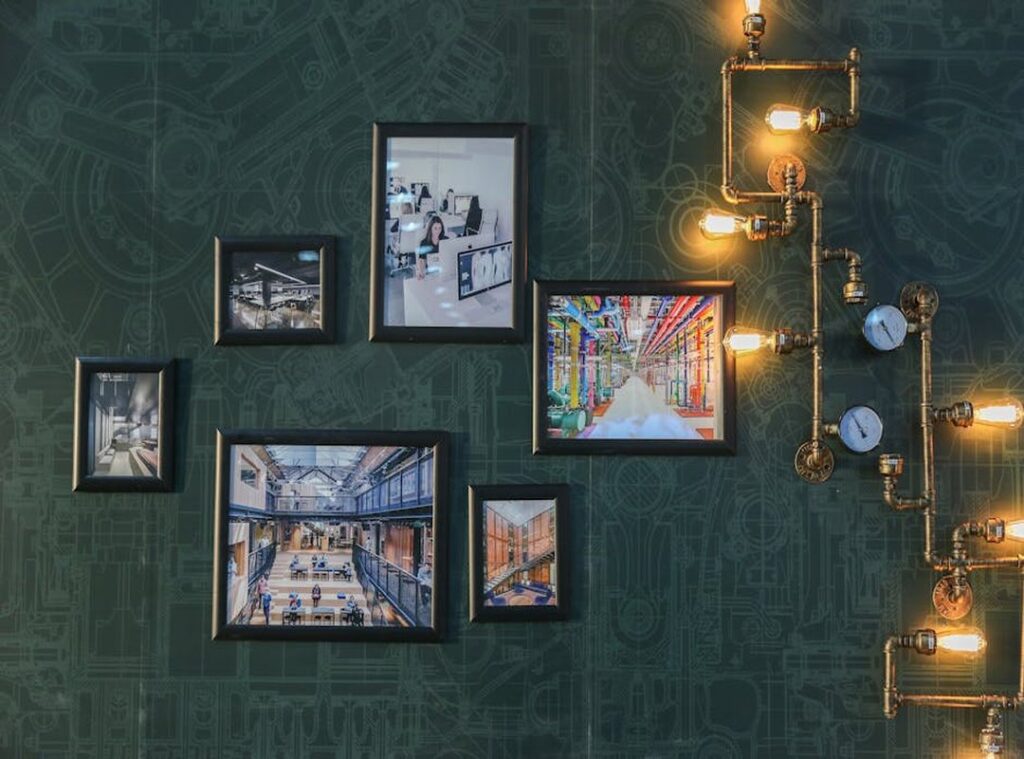
Looking to transform your space but can’t settle on a style? Industrial style aesthetics might just be the answer. I’m not talking about just slapping some metal shelves in a room and calling it a day. It’s about embracing raw materials and blending them with functionality.
Ever noticed how those old factories and warehouses have a certain charm? That’s the essence of industrial design. But why does this feel so right in a modern home?
It’s the juxtaposition of the rugged and the refined. The balance of warmth and simplicity. I’ve seen countless homes transform with just a few tweaks here and there, and it’s almost magical.
But here’s the thing. It’s not just about looks. It’s about creating a space that feels honest and lived-in.
This article isn’t just about trends or superficial changes. It’s about understanding why these design choices work and how you can make them work for you. Ready for some real home inspiration?
Let’s dive in.
Deconstructing Industrial Design: Beyond Exposed Brick
Industrial style aesthetics aren’t just about bare brick walls. It’s a design philosophy that loves the raw and unrefined. You know, those old factories and warehouses where it all started? the magic happened.
But why does the past still matter now? Because the history of these spaces influences the materials we choose today. Think unfinished wood, weathered metal, exposed brick, and concrete.
They’re heroes, not something to hide.
Function over frills is the name of the game. Have you noticed the furniture and fixtures? They’re all about purpose.
No extra fluff. Utilitarian and practical, they make a clear statement. Even the color palette is straightforward (grays,) blacks, whites, and browns.
It lets the textures steal the spotlight.
And let’s talk space. Industrial design mimics those open layouts of yesteryear’s factories. No more tiny, claustrophobic rooms.
Open, airy spaces let the eyes wander and breathe. It’s liberating, isn’t it?
But here’s the kicker. Those pipes and ductwork you see hanging around? They’re not just there to keep the place running.
They’re celebrated as design elements. Kind of genius, right?
If industrial style gets you thinking about scandinavian interior design art, you’re not alone. Both styles share a love for simplicity and function (though) they approach it differently.
So, is industrial design just about aesthetics? Of course not. It’s about embracing the raw, the real, and the functional.
A timeless approach that never tries too hard. Keeping it real. That’s the true essence of industrial style.
The Builder’s Toolkit: Mastering Material Combinations
When it comes to industrial style aesthetics, the materials you choose can make or break the vibe. Let’s talk about metal accents. Forget basic steel; it’s overdone.
Matte black can transform a fixture into a statement. Brushed nickel? It’s a softer touch for those afraid of going full-on industrial.
Copper or brass introduce a warm, vintage charm. How about using them for window frames, staircase railings, or even those overlooked furniture legs? You’d be surprised how they raise lighting, too.
Now, onto wood. Reclaimed and distressed wood is a must for warmth. It’s like wrapping your space in a cozy blanket of history.
Reclaimed wood isn’t just a trend; it’s storytelling. Its imperfections tell tales modern, sleek wood never could. Consider it for shelving, a coffee table, or a standout headboard.
It’s about blending old-world charm with modern aesthetics.
Then there’s brick and concrete. They’re bold but can overwhelm if you’re not careful. Try a single accent wall.
Not ready for that commitment? Use high-quality alternatives like thin brick veneer, concrete-effect paint, or peel-and-stick wallpaper. These are lifesavers for renters or if you’re tight on the budget.
Finally, leather. It’s the king of softening industrial edges. A worn leather sofa or armchair isn’t just furniture; it’s a centerpiece.
Over time, leather patinas beautifully, offering a texture that feels organic and lived-in. It’s the texture that completes the look.
So, how do you achieve that perfect blend? By understanding the essence of industrial style aesthetics. It’s about mixing raw with refined, old with new.
It’s a balance, and once you nail it, your space will speak volumes. Pro tip: don’t be afraid to mix metals and textures. It’s the secret sauce.
A Livable Industrial Home: Nailing the Cozy Factor
Let’s get real. The biggest fear with industrial style aesthetics? It’s the dreaded “too cold” vibe.
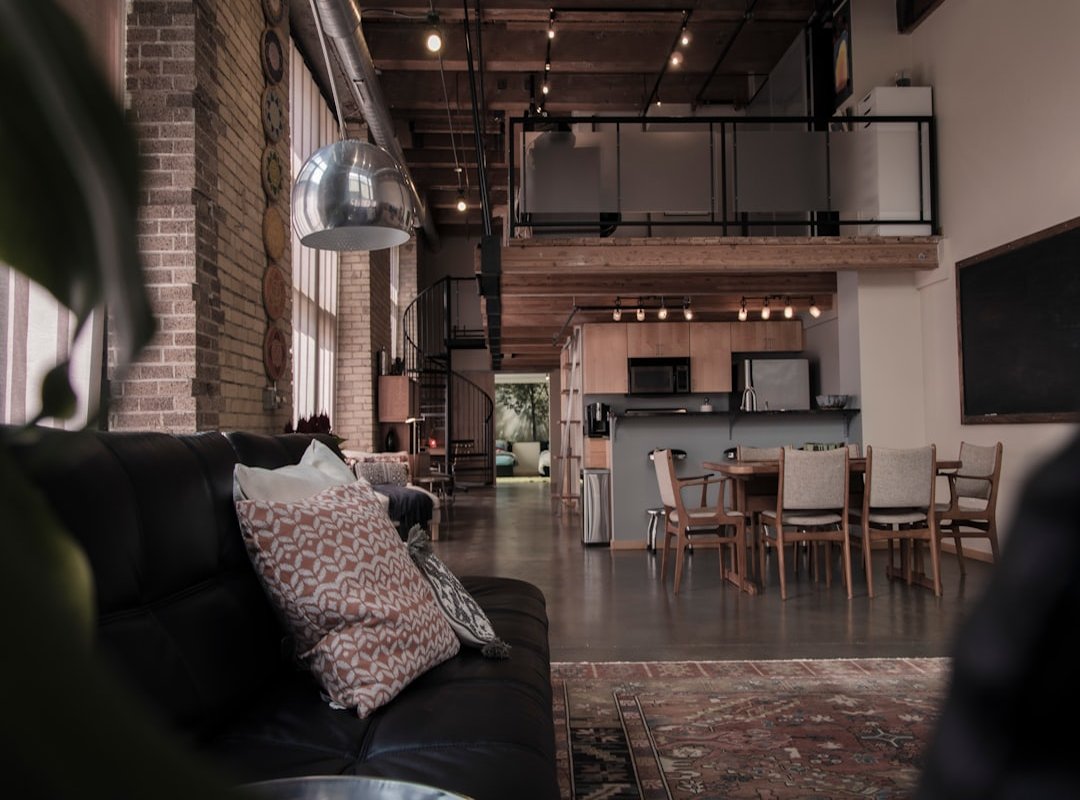
You walk in and feel like you’re in a factory, not a home. But there’s a secret to mastering this style without freezing out the warmth: layering soft textiles. Trust me, this is not optional.
Oversized, plush area rugs are your best friend. They define spaces and add that much-needed softness underfoot. Then, there’s the chunky knit blankets, linen curtains that gracefully diffuse light, and let’s not forget a mountain of throw pillows.
Plants are non-negotiable too. They add life, color, and those organic shapes that break up all the metal and brick. Think hardy indoor plants like Snake Plants, Fiddle Leaf Figs, or ZZ Plants.
Put them in simple concrete or metal planters (they fit the vibe perfectly). It’s like bringing a bit of the outdoors in, without the bugs.
Lighting? You’re not stuck with a single Edison bulb. You need layers: ambient lighting with warm-toned ceiling fixtures, task lighting like a sleek metal arc lamp for reading, and accent lighting to spotlight artwork or that exposed brick wall.
Use bulbs that emit a warm white (2700K) glow. It’s all about setting the mood.
Finally, let’s talk about infusing your personality. This is where it gets fun. Display your art, your photos, your collections.
Don’t let your space look like a catalog. Make it yours. Perhaps you’re a fan of the Mid Century Modern Design Revival.
Incorporate those elements to add a touch of warmth and nostalgia. After all, shouldn’t your home reflect who you are?
Room-by-Room Inspiration: Industrial Aesthetics Unleashed
You want to give your home an edgy vibe, right? Industrial style aesthetics can do just that. It’s about embracing raw materials and minimalist design.
Let’s break it down room by room.
The living room sets the stage. Picture a distressed leather sofa (the kind that screams character). Add a reclaimed wood and metal coffee table.
A large jute rug anchors the space while a prominent metal floor lamp adds drama. It’s all about balance here.
Now, the kitchen. Open shelving with black metal brackets is a must. It’s functional and stylish.
Simple yet impactful.
A concrete countertop or a hefty butcher block island? Yes, please. And don’t forget the pendant lights with exposed bulbs.
Moving to the bedroom, you want cozy but cool. A minimalist black metal bed frame does the trick. Contrast it with layers of soft, neutral-colored linen bedding.
Reclaimed wood nightstands add warmth. Wall-mounted sconces? Perfect for space-saving.
The bathroom is where you can make high-impact changes with minimal effort. Consider a trough sink or a concrete vanity top. Matte black faucets pop against a simple mirror with a thin metal frame.
Subway tile with dark grout? Instant industrial feel.
So, how do you feel about transforming your space? You might be surprised how these small changes can completely alter the vibe of your home. Industrial style isn’t just a look; it’s an attitude.
And it’s one worth trying out.
Your Perfect Space Awaits
Ever think industrial style aesthetics means cold and uninviting? Think again. You’ve got the tools now (layer) your space with textiles, add warm lighting, and sprinkle in personal items.
It’s about marrying raw structure with comfort. Authenticity and function make this style shine.
So what’s next? Pick one thing. Maybe a new light fixture, a plush rug, or reclaimed wood shelving.
Start small. Transform your space. You won’t regret it.
Feel the change and bring warmth into the mix. Your space, your rules. Time to build that perfectly imperfect home today.
Ready? Let’s do it.
 Founder & Creative Director
Kylor Dornhaven is the kind of writer who genuinely cannot publish something without checking it twice. Maybe three times. They came to home inspiration headlines through years of hands-on work rather than theory, which means the things they writes about — Home Inspiration Headlines, Interior Trends and Layout Ideas, Essential Living Concepts and Styles, among other areas — are things they has actually tested, questioned, and revised opinions on more than once.
That shows in the work. Kylor's pieces tend to go a level deeper than most. Not in a way that becomes unreadable, but in a way that makes you realize you'd been missing something important. They has a habit of finding the detail that everybody else glosses over and making it the center of the story — which sounds simple, but takes a rare combination of curiosity and patience to pull off consistently. The writing never feels rushed. It feels like someone who sat with the subject long enough to actually understand it.
Outside of specific topics, what Kylor cares about most is whether the reader walks away with something useful. Not impressed. Not entertained. Useful. That's a harder bar to clear than it sounds, and they clears it more often than not — which is why readers tend to remember Kylor's articles long after they've forgotten the headline.
Founder & Creative Director
Kylor Dornhaven is the kind of writer who genuinely cannot publish something without checking it twice. Maybe three times. They came to home inspiration headlines through years of hands-on work rather than theory, which means the things they writes about — Home Inspiration Headlines, Interior Trends and Layout Ideas, Essential Living Concepts and Styles, among other areas — are things they has actually tested, questioned, and revised opinions on more than once.
That shows in the work. Kylor's pieces tend to go a level deeper than most. Not in a way that becomes unreadable, but in a way that makes you realize you'd been missing something important. They has a habit of finding the detail that everybody else glosses over and making it the center of the story — which sounds simple, but takes a rare combination of curiosity and patience to pull off consistently. The writing never feels rushed. It feels like someone who sat with the subject long enough to actually understand it.
Outside of specific topics, what Kylor cares about most is whether the reader walks away with something useful. Not impressed. Not entertained. Useful. That's a harder bar to clear than it sounds, and they clears it more often than not — which is why readers tend to remember Kylor's articles long after they've forgotten the headline.