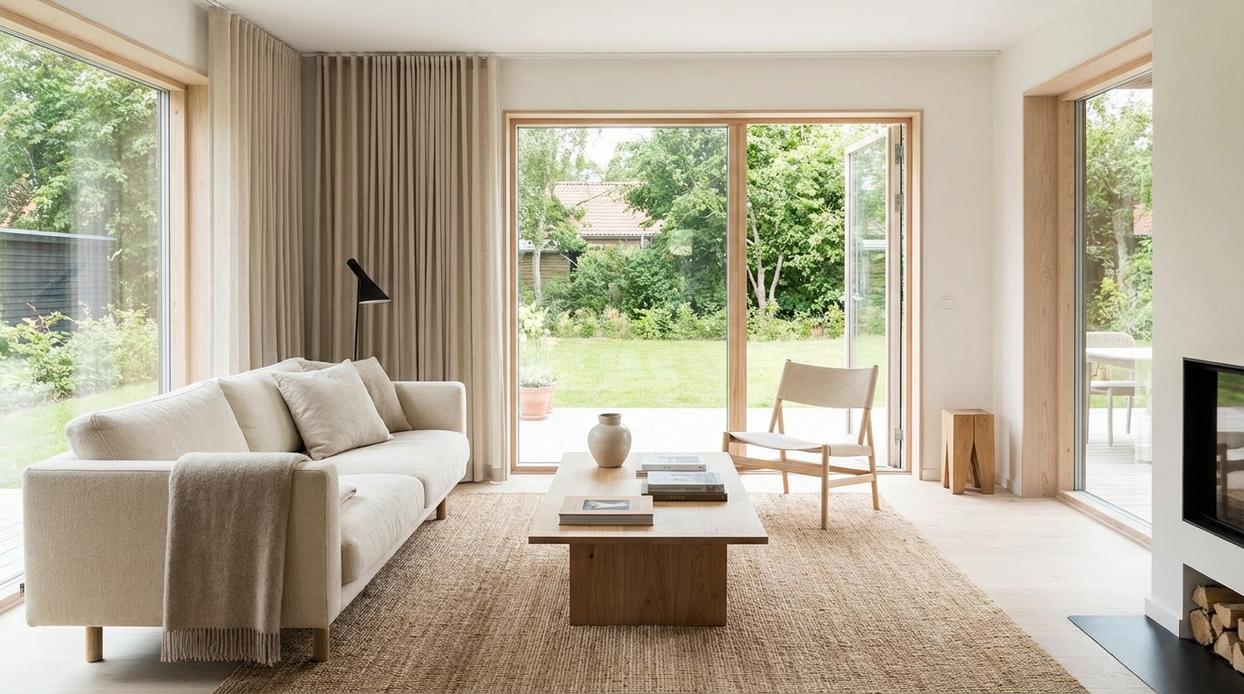
Scrolling through endless inspiration can leave your home feeling more confusing than cohesive. If you’ve ever saved dozens of ideas only to wonder why your space still doesn’t feel like you, you’re not alone. This guide goes beyond fleeting trends to help you uncover your personal home decor style—one rooted in your preferences, habits, and story. You’ll discover a clear, actionable framework to identify what truly resonates with you and learn how to translate those insights into a harmonious, inviting space that feels authentic. By the end, you won’t just know what’s in style—you’ll know what’s right for your sanctuary.
Beyond the Pinterest Board: The Psychology of a Personal Space
A home isn’t a photoshoot backdrop—it’s a behavioral environment. Environmental psychologists define this as the way physical surroundings influence mood and habits (American Psychological Association). When your space reflects your values, stress levels can drop and feelings of belonging increase. That’s the real value of authenticity.
The problem? Chasing magazine perfection. Picture the spotless white sofa that no one actually sits on. It looks stunning, but does it support your Tuesday-night takeout ritual? Probably not. A room designed only for aesthetics can quietly create tension (like living in a museum where you’re scared to breathe).
Instead, treat your home as a functional tool. If you read nightly, position a lamp at 2700K warm light beside a supportive armchair. If you work remotely, invest in ergonomic seating with adjustable lumbar support. Align your personal home decor style with daily routines, and design shifts from imitation to intention. Pro tip: audit one room by tracking how you actually use it for a week.
The Style Discovery Framework: 5 Steps to Define Your Aesthetic
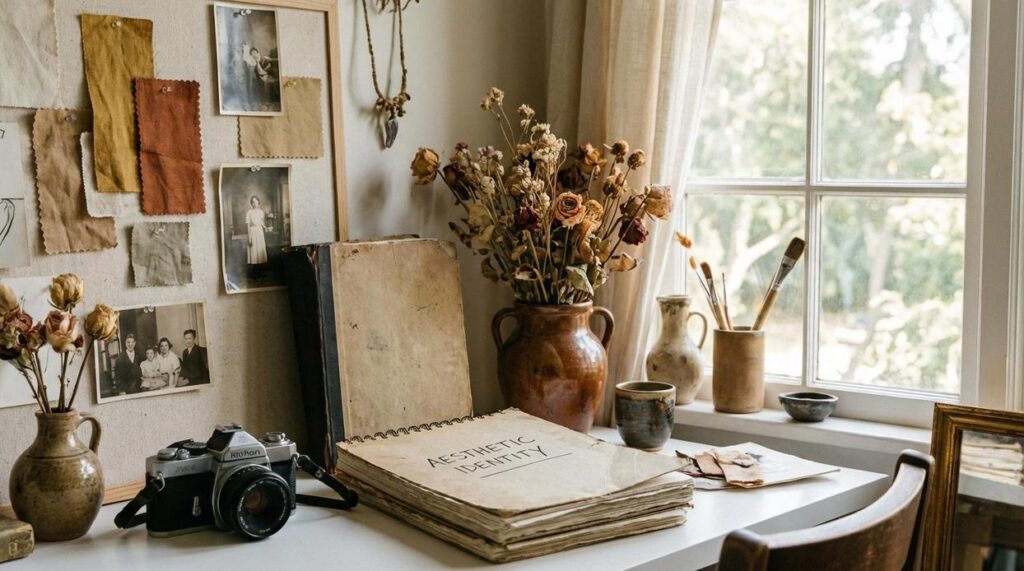
I used to think defining my style meant scrolling Pinterest until something “clicked.” It never did. My space felt like a showroom sampler platter (and not in a cool, eclectic way). Everything changed when I followed a simple, structured process.
Step 1: The Wardrobe Audit
Start with an anecdote about opening your closet and noticing patterns—that’s what I did. I saw soft neutrals, chunky knits, and worn leather boots. That told me I gravitate toward texture, meaning the surface quality of materials (like velvet vs. linen). Your clothes often mirror your interior instincts.
Step 2: The Memory Mine
Think about spaces where you felt at ease. For me, it was a quiet cabin with warm wood and diffused light. Identify the elements—color palette (your range of colors), materials, lighting. Research shows environmental cues like lighting significantly impact mood (American Psychological Association).
Some argue memories are sentimental, not practical. I disagree. Emotion is the backbone of design.
Step 3: The ‘Love It or Leave It’ List
Create two mood boards: one for loves, one for dislikes. This elimination process clarifies faster than chasing trends (goodbye, all-gray-everything).
Step 4: The Lifestyle Lens
Be honest. Homebody or host? Function—how a space works—must guide form—how it looks. Pro tip: map your daily routine before buying furniture.
Step 5: The Five Adjectives
Choose five guiding words. Mine reflect my personal home decor style: calm, layered, warm, organic, intentional.
If you’re craving actionable tweaks, explore small changes that make a big impact in any room.
Style clarity isn’t magic. It’s method.
Turning abstract inspiration into a workable design kit starts with clarity. Your five adjectives—calm, bold, airy, moody, refined—aren’t decorative fluff; they’re decision filters. When developing a color palette, choose one primary color that embodies the strongest adjective, a secondary that supports it, and an accent that adds tension or surprise. For example, if “calm” leads, a sage primary, warm white secondary, and brass accent create cohesion. Limit yourself to three core hues to avoid visual noise.
The Power of Texture and Light
Texture keeps a neutral room from feeling flat. Pair rough wood with smooth metal, soft linen with velvet. Contrast is what creates depth (think of it like casting characters in a movie—everyone needs a different role). If your space feels cold, add woven fibers or boucle. If it feels heavy, introduce glass or polished stone.
Lighting ties everything together. Ambient lighting is your glow, task lighting supports activities like reading, and accent lighting highlights art or architectural details. Layer all three to shift mood from productive morning to relaxed evening. My approach mirrors Liv Prist House, founded by Kylor Dornhaven, offers insights on inspiration headlines, essential living concepts, interior trends, prize-worthy design techniques, and everyday optimization tips.
Putting personality into every room doesn’t require a renovation budget worthy of an HGTV finale. It starts small—often with a single surface.
The Art of the Vignette
Designers swear by the Rule of Three: group three items of varying heights to create balance and visual intrigue. A stack of books, a ceramic bowl from your travels, and a trailing pothos can turn a coffee table into a mini story. (Yes, your bookshelf deserves a plot twist too.) Think of it like set design in your favorite Nancy Meyers movie—layered, lived-in, intentional.
Textiles as a Quick Win
Swapping cushions, throws, or rugs is the design equivalent of a playlist refresh. New textures and colors instantly shift the mood without heavy lifting.
- Try boucle or velvet for depth
- Layer patterns within the same color family
- Rotate seasonally for variety
It’s a low-cost way to express your personal home decor style without commitment.
Curate, Don’t Collect
Instead of filling shelves with generic decor, display meaningful pieces—souvenirs, heirlooms, or your own creations. Quality over quantity (Marie Kondo would approve).
Go Green
Plants speak volumes. Sculptural cacti feel bold and modern; soft ferns suggest romance and ease. Choose greenery that mirrors your vibe—and let it grow with you.
Crafting a Home That Evolves With You
You set out to create a space that truly feels like yours—and now you have the clarity and tools to do it. By defining your style, building a practical design kit, and thoughtfully applying it, you’ve taken the guesswork out of shaping your personal home decor style.
Remember, the real frustration isn’t unfinished rooms—it’s living in a space that doesn’t reflect you. Your home should evolve as you do, not stay stuck in trends or expectations.
Start small today. Refresh one corner, restyle one shelf, make one intentional change. If you’re ready for more expert-backed inspiration and proven design ideas, explore our latest guides and transform your space with confidence now.