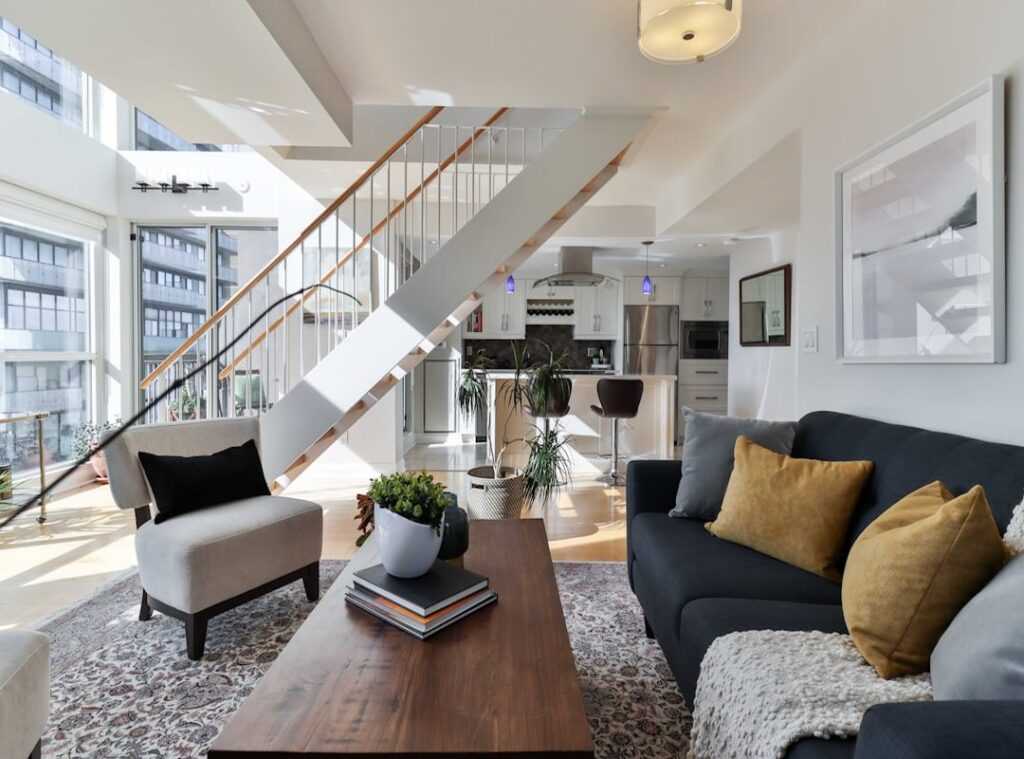
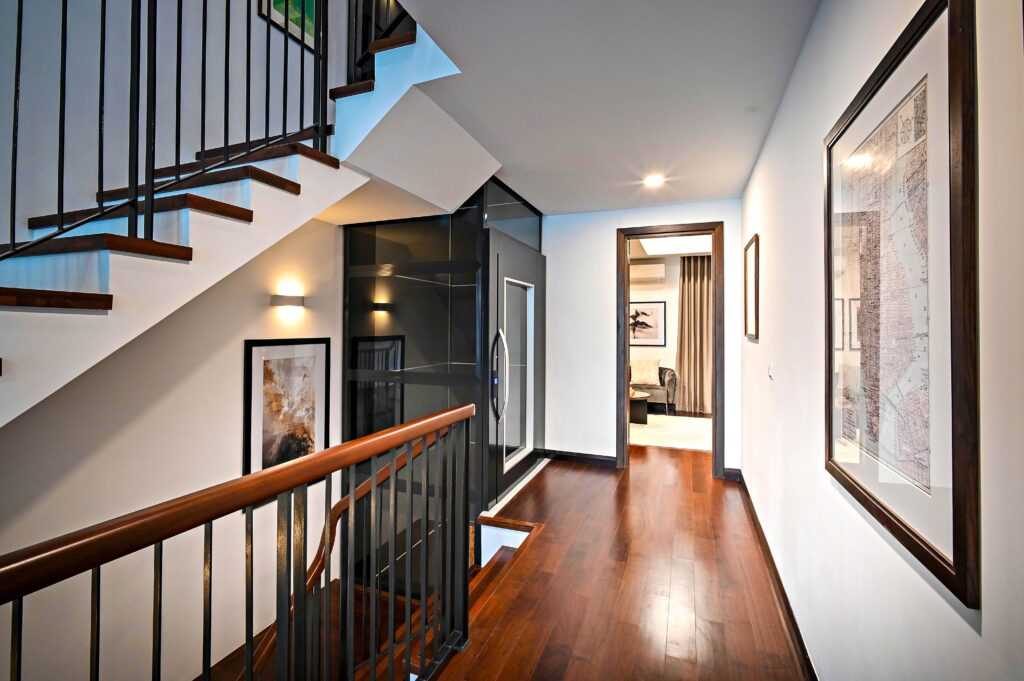
We spend a lot of time thinking about how rooms flow into one another and how furniture arrangements shift to match a season of life. But there’s a quieter design conversation happening in homes right now, one about vertical movement, not just horizontal layout. Readers who have explored ideas for flexible furniture rooms already understand that a house needs to adapt as needs change. Home lifts are becoming part of that same adaptability story, except instead of rearranging a sofa, homeowners are rethinking entire staircases and floor plans.
A few years ago, a residential elevator felt like something reserved for hillside estates or historic homes with awkward layouts. That perception has cracked wide open. Multi-story living, aging parents moving in, and a growing preference for staying in one’s own home rather than relocating to a care facility have all pushed home lifts into mainstream renovation conversations. The shift isn’t cosmetic. It’s structural, financial, and generational, and it’s changing how architects and homeowners approach floor plans from the very first sketch.
The Shift from Luxury to Necessity: Why Home Lifts Are Becoming Standard in Accessible Design
Ten years ago, a home elevator was a statement piece, something you installed because you could, not because you needed it for daily function. That framing has flipped. Builders in higher-density, multi-level markets are now specifying elevator shafts during initial construction rather than retrofitting them later, because retrofitting is expensive and disruptive in ways that early planning avoids entirely. This is especially true in coastal cities where lot sizes push homes upward instead of outward, creating three and four story layouts that simply don’t work well with stairs alone as people age.
Homeowners working with installers like California Mobility in Los Angeles are seeing this shift firsthand, as requests increasingly come from younger buyers planning ahead rather than older buyers responding to an immediate mobility crisis. That’s a meaningful change in buyer psychology. People are treating a home lift the way they treat a tankless water heater or a smart thermostat: an investment made now to avoid a costlier, more disruptive intervention later. The result is a slow but steady normalization of elevators in single-family homes that would have seemed excessive in 2015.
Smart Technology and Design Innovation: How Modern Elevators Are Reshaping the Home Experience
The technology inside these systems has changed just as much as the demand for them. Older home elevators relied on clunky hydraulic systems that took up significant mechanical space and required routine, often inconvenient servicing. Newer pneumatic and cable-driven models are compact, quieter, and can be integrated into tighter architectural footprints, which matters enormously in urban and hillside properties where every square foot counts. Voice activation, app-based scheduling, and IoT-connected diagnostics are no longer novelties; they’re becoming standard expectations, much like smart locks and connected thermostats became expected rather than optional within the span of a few years.
This smart integration also changes how elevators look and feel inside a home. Instead of a boxy, industrial cab tucked into a corner, designers are treating lift enclosures as design elements, matching cab interiors to millwork, using glass panels to preserve sightlines, and syncing lighting with the rest of the home’s automation system. It’s a small but telling example of how accessibility features are being absorbed into everyday aesthetic planning rather than treated as an add-on that disrupts a home’s visual language.
Aging in Place as a Lifestyle Choice: The Growing Demand for Multi-Generational and Accessible Homes
Demographic pressure is arguably the biggest driver behind this entire trend. By 2030, roughly one in five Americans will be over 65, and the overwhelming majority say they would rather stay in their own homes than move into assisted living. That preference is reshaping renovation priorities across income brackets, not just among wealthy households that could always afford elevators. Multi-generational households, where adult children, aging parents, and grandchildren share one roof, are also increasingly common, and a home lift becomes a practical necessity rather than a luxury when three generations with different mobility needs are navigating the same staircase daily.
According to this article, the U.S. home elevators market is valued at $1.2 billion in 2024 and is forecasted to reach $3.5 billion by 2034, with the West Coast region dominating at 30 percent market share, supported by affluent residential developments and stringent accessibility regulations. That regional concentration isn’t accidental. States with older housing stock, hillside construction, and progressive accessibility codes are producing exactly the conditions where home lifts move from optional to expected. The data suggests this isn’t a passing trend tied to a single demographic wave, but a structural change in how homes are built and retrofitted going forward.
| Metric | Figure |
| U.S. Home Elevators Market (2024) | $1.2 billion |
| Projected Market Size (2034) | $3.5 billion, 11.3% CAGR |
| West Coast Market Share | 30% of U.S. residential elevator market |
| Residential Segment of Global Vertical Platform Lift Market by 2035 | 54% |
| Americans Over 65 by 2030 | 1 in 5 |
| Older Adults Preferring Aging at Home | 9 out of 10 |
Planning Ahead: Why Forward-Thinking Homeowners Are Installing Lifts Today
What’s genuinely different now, compared to even five years ago, is the framing of home lifts as preventative rather than reactive. Homeowners aren’t waiting for a fall on the stairs or a diagnosis that limits mobility before they call an installer. They’re building elevator shafts into new construction, or reserving closet space in existing homes specifically so a lift can be added later without tearing apart a wall. This proactive posture mirrors how people now think about accessible bathrooms, wider doorways, and zero-step entries, features that used to signal “aging” but now simply signal thoughtful design.
There’s also a resale argument that didn’t exist a decade ago. Real estate agents in markets with older or more affluent buyers report that a home lift can be a genuine selling point rather than a quirky feature buyers overlook. As multi-generational living becomes more normalized and remote work keeps people in larger homes longer, the practical case for installing a lift now, while it’s a choice rather than an emergency, keeps getting stronger. Homeowners who plan ahead aren’t just avoiding future inconvenience; they’re building a home that can flex with whoever lives in it next, whether that’s an aging parent, a returning adult child, or the same family twenty years from now with different needs entirely.
 Home Optimization Specialist & Content Strategist
Ask Patricia Pickardaycare how they got into essential living concepts and styles and you'll probably get a longer answer than you expected. The short version: Patricia started doing it, got genuinely hooked, and at some point realized they had accumulated enough hard-won knowledge that it would be a waste not to share it. So they started writing.
What makes Patricia worth reading is that they skips the obvious stuff. Nobody needs another surface-level take on Essential Living Concepts and Styles, Prize-Worthy Room Design Techniques, Home Inspiration Headlines. What readers actually want is the nuance — the part that only becomes clear after you've made a few mistakes and figured out why. That's the territory Patricia operates in. The writing is direct, occasionally blunt, and always built around what's actually true rather than what sounds good in an article. They has little patience for filler, which means they's pieces tend to be denser with real information than the average post on the same subject.
Patricia doesn't write to impress anyone. They writes because they has things to say that they genuinely thinks people should hear. That motivation — basic as it sounds — produces something noticeably different from content written for clicks or word count. Readers pick up on it. The comments on Patricia's work tend to reflect that.
Home Optimization Specialist & Content Strategist
Ask Patricia Pickardaycare how they got into essential living concepts and styles and you'll probably get a longer answer than you expected. The short version: Patricia started doing it, got genuinely hooked, and at some point realized they had accumulated enough hard-won knowledge that it would be a waste not to share it. So they started writing.
What makes Patricia worth reading is that they skips the obvious stuff. Nobody needs another surface-level take on Essential Living Concepts and Styles, Prize-Worthy Room Design Techniques, Home Inspiration Headlines. What readers actually want is the nuance — the part that only becomes clear after you've made a few mistakes and figured out why. That's the territory Patricia operates in. The writing is direct, occasionally blunt, and always built around what's actually true rather than what sounds good in an article. They has little patience for filler, which means they's pieces tend to be denser with real information than the average post on the same subject.
Patricia doesn't write to impress anyone. They writes because they has things to say that they genuinely thinks people should hear. That motivation — basic as it sounds — produces something noticeably different from content written for clicks or word count. Readers pick up on it. The comments on Patricia's work tend to reflect that.