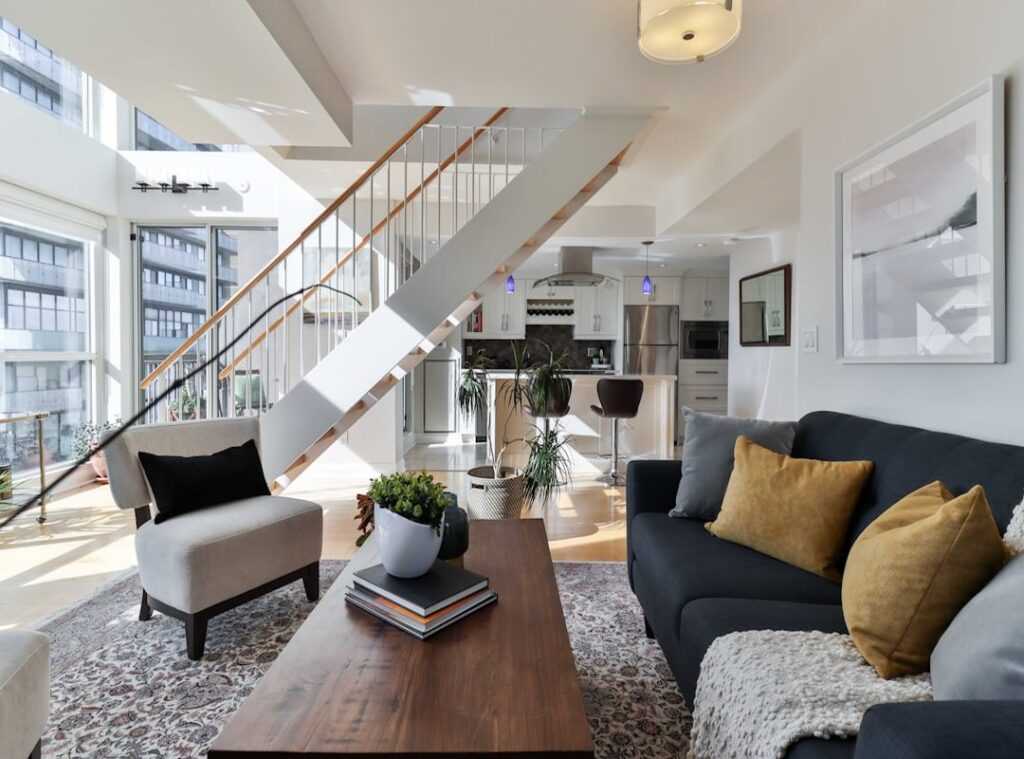
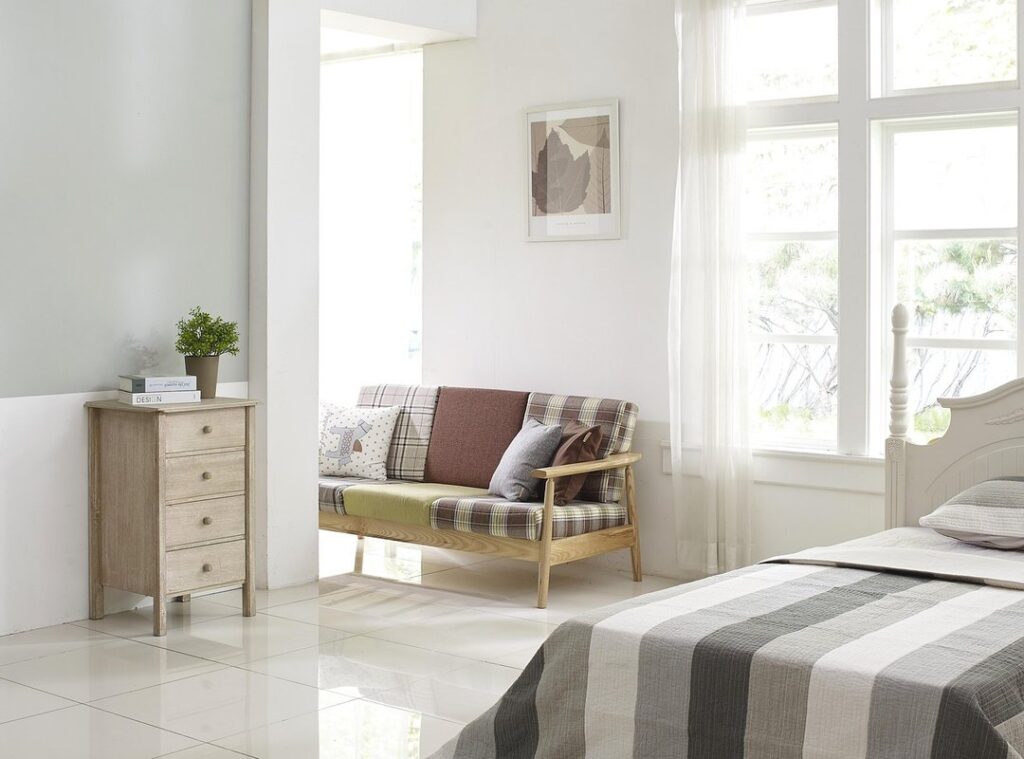
Ever felt like you’re stepping into a different world each time you move from one room to another in your own home? It’s as if your living room and kitchen are having a design battle, pulling you in opposite directions. Many homes fall into this trap, feeling like a series of mismatched rooms rather than a cohesive, inviting space.
I’ve seen it countless times. But there’s good news. You can create a home that flows beautifully and feels intentional.
In this article, you’ll discover the secrets to effective room transitions. I’ve spent years diving into interior design principles, perfecting methods that transform disjointed homes into harmonious retreats.
Imagine walking through your house and feeling a consistent sense of style. Calm and intentional. That’s what you’ll learn here.
You’ll get practical steps to make sure each room transition feels smooth. Trust me, these techniques work wonders. By the end, you’ll have the tools to make your home both beautiful and cohesive.
The Backbone of Home Design: Define Your Space’s Story
A smooth home doesn’t start with the perfect paint for your hallway. It starts with a unified vision. That’s the “why” before the “how.” You might ask, why bother with a core design story?
Simple. It keeps every choice in check, ensuring effective room transitions and a cohesive flow throughout your home.
First, craft a whole-house color palette. I’m not talking about throwing random shades together. You need a simple 3-5 color scheme.
Think 2 neutrals, 1 primary, and 2 accents. These colors will be used in varying proportions in every room. Start with neutral walls (they’re timeless), then add pops of color where you want drama or focus.
Questions to Define Your Home’s Style
to defining your home’s core style. Ask yourself:
- What 3 words describe the feeling you want?
- What materials are you consistently drawn to?
Your answers will guide your choices from furniture to decor. And remember, this “Design Story” is your filter. So every future decision aligns with it.
Now, here’s a pro tip: mix in flexible furniture multi functional rooms. This kind of furniture complements your design story by allowing rooms to adapt as your needs change. It’s practical and stylish.
Without a core vision, rooms feel disjointed. But with a design story, you create a home that flows effortlessly. It’s all about the bigger picture.
Who wants a home that looks like a patchwork quilt of random choices? Not me. I bet you don’t either.
The Art of Room Transitions: Colors and Materials in Motion
When it comes to effective room transitions, it’s all about the execution. You can’t just throw paint on a wall and hope for the best. This is where the “Design Story” comes into play.
It’s a fancy term for making your space feel cohesive. You want your home to feel like it’s telling one smooth story, not hopping from one random chapter to another.
Ever heard of the “Color Carry-Over” technique? It’s simple but solid. You take an accent color from one room and let it play a starring role in the next.
Maybe you’ve got a pop of teal in your living room. Imagine that teal wrapping around into your dining room, not as an accent this time, but as the main star. It’s like a visual handshake between spaces.
Now, let’s talk materials. Consistency is key here. Repeat elements create flow.
You wouldn’t mismatch your socks, right? Same goes for wood tones and metal finishes in your home. Keep wood undertones similar.
Warm oaks or maple, for instance. Metal finishes should be consistent too. Think brushed nickel or matte black for your hardware and fixtures.
It makes everything feel right at home.
Flooring? It’s the ultimate connector. Continuous flooring like hardwood or LVP makes your home feel expansive.
There’s nothing like an unbroken visual path to trick the eye into thinking a space is bigger than it is. But what if you’re transitioning between different flooring types? Use transition strips that match one of the floors.
It keeps the flow, well, flowing.
Want more detailed strategies? Check out this breakdown. It dives deeper into room transitions.
There’s always more to explore. You might even find a new favorite tip in there.
So, when you’re crafting your home, think about these elements. Colors, materials, flooring (they’re) your tools. Use them wisely.
Your space will thank you for it.
Mastering Sightlines: Crafting a Smooth Journey
When we talk about effective room transitions, we’re diving into more than just decor. It’s all about the 3D space and how our eyes travel through it. Think of “sightlines” as the views you get peeking from one room to another.

These aren’t just accidental glimpses. They’re intentional transitions.
Imagine you’re in the living room, and there’s that piece of art in the dining area. It’s got the same pop of color as your living room’s accent. That’s what I call a “Visual Echo.” It ties spaces together without screaming for attention.
Now, let’s talk about the “Terminating Vista.” Sounds fancy, right? It’s really just placing something striking at the end of a hallway or in a direct line of sight. Maybe it’s a console table or a large plant.
Something that draws your eye and pulls you forward.
Furniture placement is another big deal. Want to keep the flow? Do arrange furniture to create clear paths.
Don’t block doorways or sightlines with bulky furniture. It’s all about keeping spaces open and inviting.
Here’s a pro tip: when laying out your rooms, remember how light and nature play a role. Tying in elements of biophilic design bringing nature indoors can boost that smooth feel.
So, next time you rearrange, think about these concepts. How will your sightlines guide the journey through your home? It’s about creating a space that feels connected yet unique.
Get it right, and your home won’t just look great. It’ll flow.
Lighting: The Unsung Hero of Smooth Room Changes
Lighting plays a bigger role in effective room transitions than most people realize. It’s not just about illuminating a space; it’s about setting the mood and maintaining continuity. Have you ever walked from a cozy, warm-lit room into one with a harsh blue-white glow?
Jarring, right? That’s why consistent light temperature is key. Stick to one temperature, like 2700K Warm White, throughout your home.
It keeps transitions smooth.
Think of your home as a story. Repeating fixture styles or finishes ties everything together, reinforcing the design narrative. It’s like having a signature style (and who doesn’t want one of those?).
Now, let’s talk layered lighting. This isn’t just for fancy hotels. Layered lighting means mixing ambient, task, and accent lights to create a balanced atmosphere.
It ensures the vibe flows seamlessly from one room to the next, especially in open-concept spaces. You get a unified look without the sensory overload.
Pro tip: Pay attention to your bulbs. Cheap bulbs can ruin the effect, so invest in quality ones. Your eyes (and guests) will thank you.
When done right, lighting transforms spaces, making the everyday extraordinary. Keep the lights consistent, and your home will tell a cohesive story.
Create a Home That Flows
Feeling stuck with a house that feels more like a jumble of rooms? I get it. A unified home isn’t magic (it’s) plan.
It’s about defining a core story and sticking to it. Through color, materials, sightlines, and lighting, you can achieve effective room transitions. You’ve got the tools now.
You can create smooth changes from room to room. Ready to start? Define your home’s style with three core words and a five-color palette.
This isn’t just a tip. It’s the foundation for every smooth transition you want. Make your home a masterpiece.
Begin today.
 Founder & Creative Director
Kylor Dornhaven is the kind of writer who genuinely cannot publish something without checking it twice. Maybe three times. They came to home inspiration headlines through years of hands-on work rather than theory, which means the things they writes about — Home Inspiration Headlines, Interior Trends and Layout Ideas, Essential Living Concepts and Styles, among other areas — are things they has actually tested, questioned, and revised opinions on more than once.
That shows in the work. Kylor's pieces tend to go a level deeper than most. Not in a way that becomes unreadable, but in a way that makes you realize you'd been missing something important. They has a habit of finding the detail that everybody else glosses over and making it the center of the story — which sounds simple, but takes a rare combination of curiosity and patience to pull off consistently. The writing never feels rushed. It feels like someone who sat with the subject long enough to actually understand it.
Outside of specific topics, what Kylor cares about most is whether the reader walks away with something useful. Not impressed. Not entertained. Useful. That's a harder bar to clear than it sounds, and they clears it more often than not — which is why readers tend to remember Kylor's articles long after they've forgotten the headline.
Founder & Creative Director
Kylor Dornhaven is the kind of writer who genuinely cannot publish something without checking it twice. Maybe three times. They came to home inspiration headlines through years of hands-on work rather than theory, which means the things they writes about — Home Inspiration Headlines, Interior Trends and Layout Ideas, Essential Living Concepts and Styles, among other areas — are things they has actually tested, questioned, and revised opinions on more than once.
That shows in the work. Kylor's pieces tend to go a level deeper than most. Not in a way that becomes unreadable, but in a way that makes you realize you'd been missing something important. They has a habit of finding the detail that everybody else glosses over and making it the center of the story — which sounds simple, but takes a rare combination of curiosity and patience to pull off consistently. The writing never feels rushed. It feels like someone who sat with the subject long enough to actually understand it.
Outside of specific topics, what Kylor cares about most is whether the reader walks away with something useful. Not impressed. Not entertained. Useful. That's a harder bar to clear than it sounds, and they clears it more often than not — which is why readers tend to remember Kylor's articles long after they've forgotten the headline.