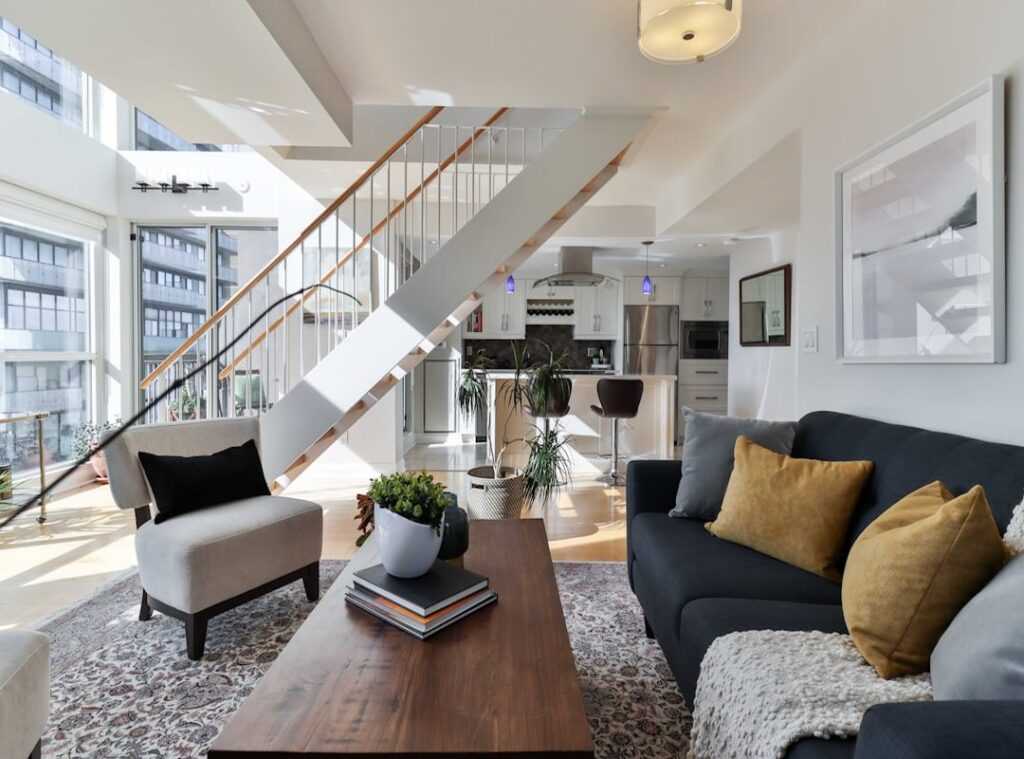
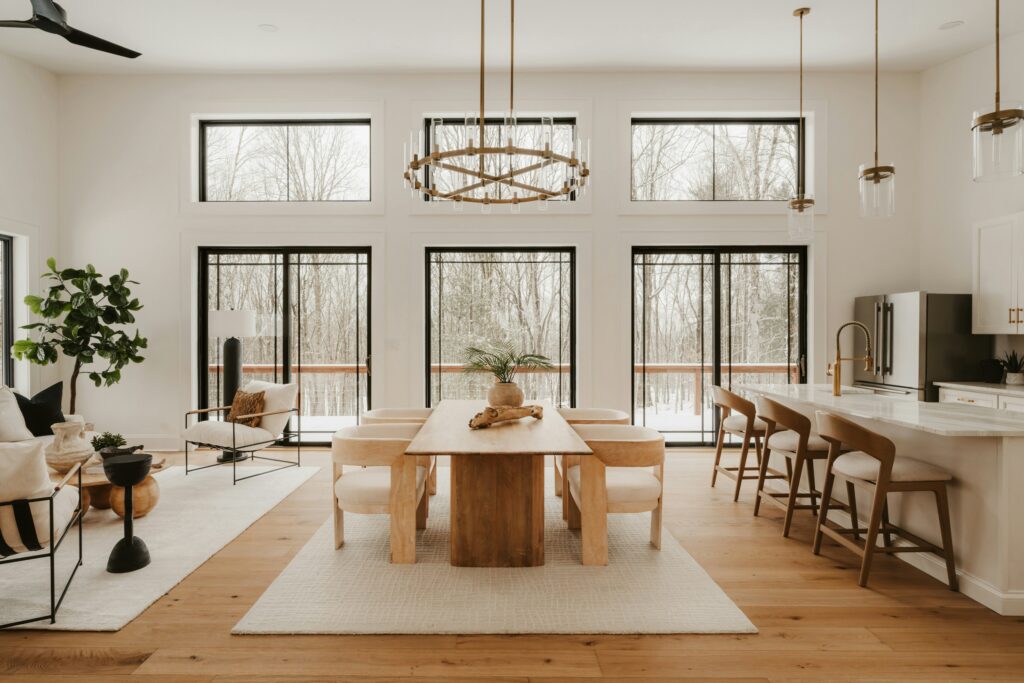
Introduction to the Large Rugs For Dining Area
Rugs are not just for decoration; they also serve a practical purpose in our homes. When it comes to dining areas, a large rug can add warmth and comfort while also protecting your floors from spills and scratches. In this section, we will discuss the benefits of using a large rug in your dining area and explore the different types of rugs available, from natural fibers to synthetic materials.
The Benefits of Using a Large Rug in Your Dining Area
- Adds Warmth and Comfort: A dining area can often feel cold and sterile with bare floors. Adding a large rug instantly brings warmth and coziness to the space, making it more inviting for family gatherings or dinner parties.
- Defines the Space: In an open floor plan where the dining area blends into other rooms, a large rug can help define the space as its own separate area. This not only adds visual interest but also creates boundaries for furniture placement.
- Protects Your Floors: Spills and scratches are inevitable when it comes to dining areas, especially if you have young children or pets. Large rugs for the dining area act as a barrier between your floors and any potential damage, saving you time and money on repairs or replacements.
- Absorbs Noise: Hardwood or tile floors can be noisy in high-traffic areas like the dining room. By placing a large rug under your dining table, you can reduce noise levels and create a more peaceful environment.
- Easy Maintenance: Most rugs are easy to clean with regular vacuuming or spot cleaning for spills. This makes them an ideal choice for high-traffic areas like dining rooms, where accidents are bound to happen.
Understanding the Different Types of Rugs: From Natural Fibers to Synthetic Materials
When choosing a rug for your dining area, it’s important to consider both style and functionality. Here are some common types of rugs that work well in this space:
- Natural Fiber Rugs: Made from materials like jute, sisal, or seagrass, these rugs add a natural and organic feel to your dining area. They are also durable and easy to clean, making them perfect for high-traffic areas.
- Wool Rugs: Known for their softness and plush texture, wool rugs are a great choice for adding warmth and comfort to your dining area. They are also stain-resistant and easy to maintain.
- Synthetic Rugs: Made from materials like nylon or polyester, synthetic rugs are budget-friendly and come in a wide range of colors and patterns. They are also highly durable and stain-resistant, making them ideal for busy households.
Incorporating a large rug in your dining area not only enhances the overall aesthetic but also offers practical benefits such as protection and noise reduction. By understanding the different types of rugs available, you can choose one that best suits your needs while elevating your dining space.
Maintenance and Cleaning Tips for Large Rugs: Keeping Your Rug Looking Fresh and New
First and foremost, it is essential to regularly vacuum your large rug to remove any dust or dirt that may accumulate on its surface. This not only keeps the rug looking clean but also helps maintain its quality and lifespan. It is recommended to vacuum at least once a week, or more frequently if you have pets or high foot traffic in the dining room.
In addition to regular vacuuming, it is crucial to address any spills or stains immediately. Blotting with a clean cloth or paper towel can help absorb the liquid before it sets into the fibers of the rug. Avoid rubbing the stain vigorously as this can damage the rug’s material.
For deeper cleaning, consider using professional services every 1-2 years. They have specialized equipment and techniques that can effectively remove deep-seated dirt and grime without causing any harm to your rug.
Creative Ways to Use Cozy Dining Room Rugs: Adding Charm to Your Indoor Space
A rug can serve both practical and aesthetic purposes in your dining room. Here are some creative ways you can incorporate cozy dining room rugs into your decor:
- Define Your Space: If you have an open floor plan where the living room flows into the dining area, adding a large rug under your dining table can help define and separate the two spaces visually.
- Layering: You don’t have to limit yourself to using just one large rug in your dining room. Consider layering smaller rugs under each chair around the table for added texture and dimension.
- Add Color: A colorful, large rug can instantly brighten up a neutral-toned dining room. Choose a rug with bold patterns or vibrant hues to add personality and charm to your space.
- Complement Your Furniture: If you have a sleek and modern dining table, consider balancing it out with a cozy, textured rug underneath. This can create an interesting contrast in your decor.
- Comfort and Acoustics: A large rug can not only add comfort underfoot but also help absorb noise in the dining room. This is especially beneficial if you have hardwood or tile flooring that tends to echo.
Incorporating a large rug into your dining room decor may seem daunting, but with these tips, you can seamlessly blend it into your space while keeping it looking fresh and new. Get creative with how you use your cozy dining room rug, and it will surely become a highlight of your interior design.
Conclusion
As you can see, a large rug can add style and functionality to any space in your home, from the patio to the dining room. By following these easy tips, you can make the most out of your large rug and create a cohesive look throughout your home. So why not give it a try and see how it transforms your living spaces? Remember to choose a durable material for outdoor use, experiment with layering rugs for added texture, and have fun with different patterns and colors. With these simple tips, you’ll be able to utilize your large rug in various ways and elevate the overall design of your home.
 Founder & Creative Director
Kylor Dornhaven is the kind of writer who genuinely cannot publish something without checking it twice. Maybe three times. They came to home inspiration headlines through years of hands-on work rather than theory, which means the things they writes about — Home Inspiration Headlines, Interior Trends and Layout Ideas, Essential Living Concepts and Styles, among other areas — are things they has actually tested, questioned, and revised opinions on more than once.
That shows in the work. Kylor's pieces tend to go a level deeper than most. Not in a way that becomes unreadable, but in a way that makes you realize you'd been missing something important. They has a habit of finding the detail that everybody else glosses over and making it the center of the story — which sounds simple, but takes a rare combination of curiosity and patience to pull off consistently. The writing never feels rushed. It feels like someone who sat with the subject long enough to actually understand it.
Outside of specific topics, what Kylor cares about most is whether the reader walks away with something useful. Not impressed. Not entertained. Useful. That's a harder bar to clear than it sounds, and they clears it more often than not — which is why readers tend to remember Kylor's articles long after they've forgotten the headline.
Founder & Creative Director
Kylor Dornhaven is the kind of writer who genuinely cannot publish something without checking it twice. Maybe three times. They came to home inspiration headlines through years of hands-on work rather than theory, which means the things they writes about — Home Inspiration Headlines, Interior Trends and Layout Ideas, Essential Living Concepts and Styles, among other areas — are things they has actually tested, questioned, and revised opinions on more than once.
That shows in the work. Kylor's pieces tend to go a level deeper than most. Not in a way that becomes unreadable, but in a way that makes you realize you'd been missing something important. They has a habit of finding the detail that everybody else glosses over and making it the center of the story — which sounds simple, but takes a rare combination of curiosity and patience to pull off consistently. The writing never feels rushed. It feels like someone who sat with the subject long enough to actually understand it.
Outside of specific topics, what Kylor cares about most is whether the reader walks away with something useful. Not impressed. Not entertained. Useful. That's a harder bar to clear than it sounds, and they clears it more often than not — which is why readers tend to remember Kylor's articles long after they've forgotten the headline.