
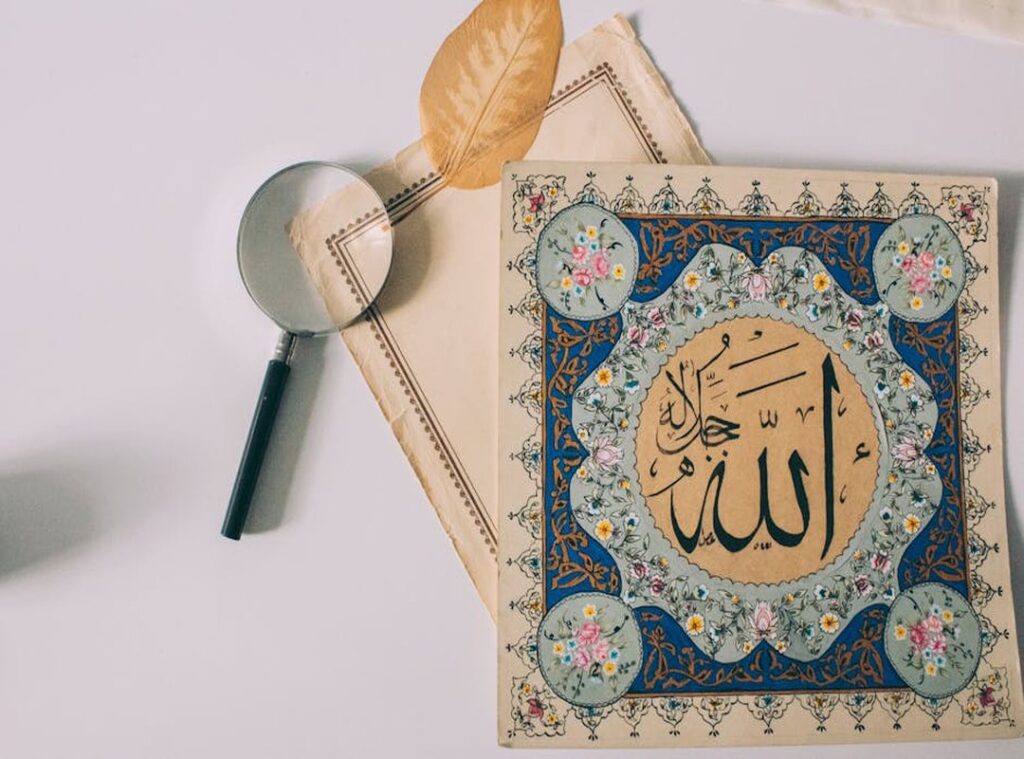
Sometimes it feels like everything’s going wrong. From minor annoyances to major setbacks, life can be a rollercoaster. Keeping a positive outlook is tough.
There’s a phrase that can help: alhamdulillah ala kulli haal. It’s more than just words; it’s a profound spiritual tool for navigating life’s ups and downs.
This article isn’t just about translating the phrase. We’ll dive into its deep meaning, psychological benefits, and practical application.
You’ll understand how this simple expression can shift your perspective from one of reaction to one of profound acceptance and gratitude.
Finding contentment in every circumstance is possible, and let’s explore how.
The Foundational Meaning: Breaking Down the Words
Let’s start with a clear, literal translation: “Praise and thanks be to Allah in every situation” or “for every state of being.”
- Alhamdulillah: All praise and thanks are for God.
- Ala: Upon/for.
- Kulli: All/every.
- Haal: State/condition/situation.
Now, let’s talk about the difference between simply saying Alhamdulillah and adding Ala Kulli Haal.
Saying Alhamdulillah is often done in times of ease and joy. It’s a spontaneous expression of gratitude when things are going well. But Ala Kulli Haal takes it a step further.
It explicitly extends gratitude to encompass states of difficulty, hardship, and loss, not just moments of joy. This means you’re thanking God no matter what your current situation is.
Think of it like a sailor. A sailor thanks the sea for both calm waters and the storms that make them a better captain. The calm waters are easy to appreciate, but the storms, though challenging, are also valuable.
They build character and skill.
In Islamic tradition, this phrase has deep roots. It’s a reminder from prophetic teachings to maintain gratitude in all circumstances. This isn’t just a nice idea; it’s a practice that can transform how you see and experience life.
So, alhamdulillah ala kulli haal maksud is about embracing a mindset of continuous gratitude, recognizing that every state, whether good or bad, has its purpose and value.
Beyond Words: The Spiritual Significance of Gratitude in Hardship
Gratitude in hardship is a powerful concept. It’s about trusting in a higher wisdom, even when things are tough.
Why is this happening to me, and that’s the question we often ask. But shifting to a position of faith—There is a reason and a good in this, even if I cannot see it—can transform our perspective.
This isn’t about toxic positivity or denying pain. It’s about acknowledging the hardship while affirming faith and gratitude for the overall journey.
Practicing alhamdulillah ala kulli haal maksud builds spiritual resilience, or sabr (patience). Trials become opportunities for growth and purification, not punishments.
Despair, anger, and bitterness are common reactions. But alhamdulillah ala kulli haal provides a constructive spiritual alternative. It helps us find meaning and peace in difficult times.
Let me share a story. A man lost his job and was struggling to make ends meet. Instead of giving in to despair, he practiced alhamdulillah ala kulli haal.
He found new ways to support his family and discovered a deeper sense of purpose and faith.
| Reaction | Outcome |
|---|---|
| Despair | Stagnation and hopelessness |
| Anger | Conflict and stress |
| Bitterness | Isolation and resentment |
| *Alhamdulillah ala kulli haal* | Growth, resilience, and peace |
This practice is backed by research. Studies show that gratitude can improve mental health and well-being. It helps us cope with stress and adversity more effectively.
In hard times, alhamdulillah ala kulli haal can be a lifeline. It shifts our focus from the problem to the potential for growth and transformation.
Practical Application: When and How to Use This Phrase
Let’s start with the little things. You spill coffee on your shirt, or you hit traffic on your way to an important meeting. These minor inconveniences can really get under your skin.
But what if, in those moments, you took a deep breath and said, alhamdulillah ala kulli haal maksud? It’s a way to acknowledge the frustration and then let it go.
- Spilling coffee
- Hitting traffic
- A project getting delayed
Now, let’s move to more significant challenges. Imagine receiving disappointing news, facing a financial setback, dealing with a health issue, or experiencing a loss. These are tough, and the emotional weight can be overwhelming.
In those moments, take a deep breath, and acknowledge the feeling of frustration or sadness. Then, consciously say the phrase, either aloud or internally.
It’s like a gentle reminder that even in the hardest times, there’s still something to be grateful for.
The phrase isn’t just for tough times, and use it in moments of ease too. When you’re enjoying a beautiful sunset, savoring a delicious meal, or simply relaxing at home.
It helps cultivate a consistent state of gratitude and prevents complacency.
Try this: Consciously use the phrase once a day for a week, for any situation, big or small. Observe how it changes your emotional response. The goal isn’t to instantly feel happy, but to introduce a moment of peace and perspective into a challenging situation.
And remember, it’s not about ignoring the hard stuff. It’s about finding a moment of calm and gratitude, even when things are tough.
If you’re looking for more ways to bring peace and inspiration into your daily life, check out some modern living tips and trends that can help you create a more serene and uplifting environment.
The Psychological Impact: Building Resilience and Contentment
Spiritual practices often connect deeply with modern psychological concepts. Radical acceptance, cognitive reframing, and mindfulness are just a few.
Regularly affirming gratitude in all situations can rewire the brain. It helps you look for positives and build stronger neural pathways for resilience.
This mindset reduces the emotional toll of stress and anxiety. It creates a buffer between an event and your reaction to it.
Think of it as a tool for reclaiming personal power. Instead of being a victim, you become an active participant in your spiritual and emotional response.
- How can I start practicing gratitude?
- What if I find it hard to be grateful during tough times?
Alhamdulillah ala kulli haal maksud. This phrase embodies the practice of gratitude in every situation. It’s about finding contentment regardless of external conditions.
The long-term benefit? A deep, abiding sense of inner peace (sakina). This state is unshaken by life’s inevitable fluctuations.
- Start small. Begin with daily gratitude journaling.
- Be consistent. Make it a habit, even on tough days.
- Reflect. Take time to reflect on what you’re grateful for each day.
Inner contentment is the ultimate goal. It’s a state of being that doesn’t depend on everything being perfect.
Embracing Every Chapter of Your Story
alhamdulillah ala kulli haal maksud is more than a phrase; it’s a complete framework for living a life of trust, resilience, and unwavering gratitude. Its true power lies in its application during difficult times, transforming challenges into catalysts for spiritual growth.
This practice offers a path to a stable, internal peace that isn’t swayed by the constant ups and downs of the external world. Begin incorporating this phrase into your daily life, starting today. Patiently observe the profound peace it can bring.
 Head of Interior Trends & Concepts
Wayne Lewisignest is the kind of writer who genuinely cannot publish something without checking it twice. Maybe three times. They came to hidden gems through years of hands-on work rather than theory, which means the things they writes about — Hidden Gems, Everyday Home Optimization Tips, Essential Living Concepts and Styles, among other areas — are things they has actually tested, questioned, and revised opinions on more than once.
That shows in the work. Wayne's pieces tend to go a level deeper than most. Not in a way that becomes unreadable, but in a way that makes you realize you'd been missing something important. They has a habit of finding the detail that everybody else glosses over and making it the center of the story — which sounds simple, but takes a rare combination of curiosity and patience to pull off consistently. The writing never feels rushed. It feels like someone who sat with the subject long enough to actually understand it.
Outside of specific topics, what Wayne cares about most is whether the reader walks away with something useful. Not impressed. Not entertained. Useful. That's a harder bar to clear than it sounds, and they clears it more often than not — which is why readers tend to remember Wayne's articles long after they've forgotten the headline.
Head of Interior Trends & Concepts
Wayne Lewisignest is the kind of writer who genuinely cannot publish something without checking it twice. Maybe three times. They came to hidden gems through years of hands-on work rather than theory, which means the things they writes about — Hidden Gems, Everyday Home Optimization Tips, Essential Living Concepts and Styles, among other areas — are things they has actually tested, questioned, and revised opinions on more than once.
That shows in the work. Wayne's pieces tend to go a level deeper than most. Not in a way that becomes unreadable, but in a way that makes you realize you'd been missing something important. They has a habit of finding the detail that everybody else glosses over and making it the center of the story — which sounds simple, but takes a rare combination of curiosity and patience to pull off consistently. The writing never feels rushed. It feels like someone who sat with the subject long enough to actually understand it.
Outside of specific topics, what Wayne cares about most is whether the reader walks away with something useful. Not impressed. Not entertained. Useful. That's a harder bar to clear than it sounds, and they clears it more often than not — which is why readers tend to remember Wayne's articles long after they've forgotten the headline.