
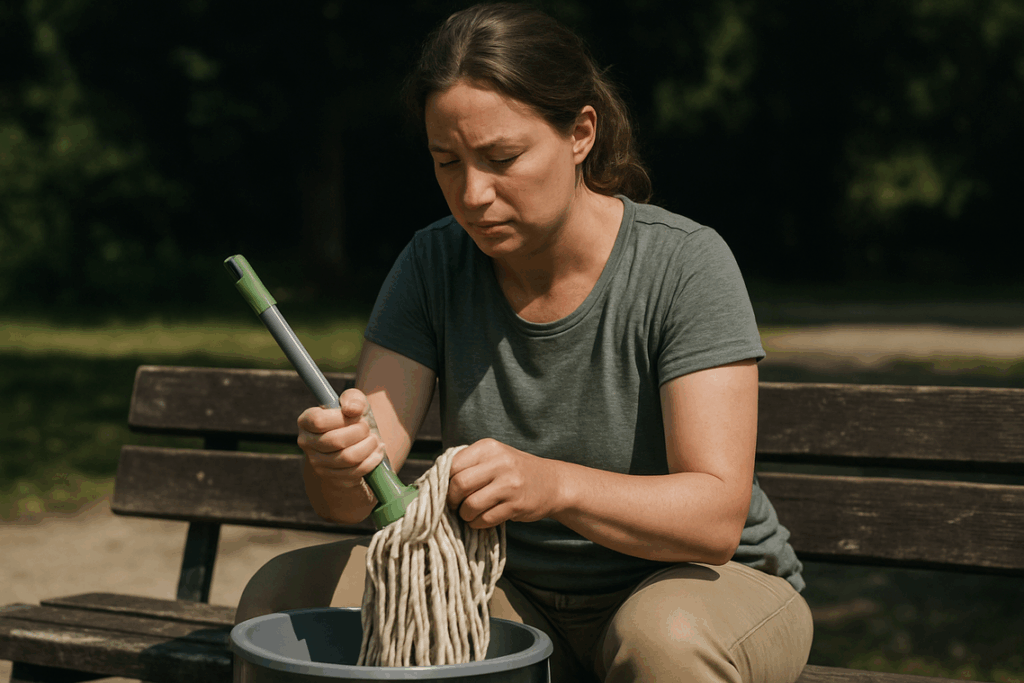
I need to tell you something that might gross you out.
That mop you’re using to clean your floors? It’s probably dirtier than the floor itself.
You’re working hard to keep your home clean. But every time you dip a dirty mop into that bucket, you’re just pushing bacteria around. Your floors aren’t getting cleaner. They’re getting a fresh coat of whatever’s been growing in those mop fibers.
I’ve seen people spend good money on cleaning products while ignoring the one tool that matters most. The mop.
Here’s what you need to know: cleaning your mop isn’t complicated. But most people skip it or do it wrong.
This guide shows you how to clean a mop livpristhouse style. That means the right way. The way that actually works.
You’ll learn the exact steps for every type of mop. String mops, microfiber heads, sponge mops. I’ll show you how to wash them, disinfect them, and store them so they last longer and work better.
No special equipment needed. Just a few minutes and supplies you already have.
Your mop should make your home cleaner, not dirtier. Let’s fix that.
The Unseen Problem: Why a Dirty Mop Undermines Your Cleaning Efforts
You know that smell.
The one that hits you when you pull your mop out of the closet. Sour and musty. That’s not just unpleasant. It’s a warning sign.
Your mop is supposed to clean your floors. But if it’s dirty, you’re doing the opposite.
The Science Behind the Stink
Here’s what happens. You finish mopping and toss the mop head back in the bucket or closet while it’s still damp. Within hours, bacteria start multiplying. Mold and mildew join the party.
According to research from NSF International, mop heads can harbor millions of bacteria per square inch when not properly cleaned and dried. That’s more than what’s on your toilet seat (yeah, I know).
The warm, wet environment is perfect for microbial growth. And every time you use that mop again, you’re spreading those germs across every surface you touch.
Some people say a little bacteria won’t hurt you. They argue we’re too obsessed with sanitizing everything. And sure, our immune systems can handle some exposure.
But think about it this way. You’re not just maintaining baseline dirt. You’re actively making things worse with each pass. Learning how to clean a mop Livpristhouse style means breaking this cycle before it starts.
If you have kids crawling on those floors or pets licking their paws after walking around, that matters. Same goes if anyone in your home deals with allergies or respiratory issues.
Beyond health, there’s a practical angle too. A contaminated mop doesn’t pick up dirt well. The fibers get clogged with old grime and lose their absorbency. You end up pushing dirty water around instead of actually cleaning.
And here’s the kicker. When you treat your mop right, it lasts years instead of months. I’ve seen people replace mops every few weeks because they never cleaned them properly. That adds up fast.
Your Mop Cleaning Toolkit: Gathering the Essentials
You know what drives me crazy?
Opening three different cabinets looking for cleaning supplies that should be in ONE place.
Or worse, realizing halfway through cleaning your mop that you don’t have what you need. Now your dirty mop is sitting in the sink while you run to the store.
Let me save you that headache.
The basics for how to clean a mop livpristhouse style:
You need a clean bucket or sink. Hot water (not warm, HOT). Protective gloves because your hands will thank you later.
And a cleaning agent.
Here’s where people get confused. You’ve got three solid options sitting in your house right now.
White vinegar works as a natural disinfectant. It kills bacteria without harsh chemicals.
Bleach is your heavy-duty sanitizer. When that mop has seen some STUFF, bleach doesn’t mess around.
Dish soap cuts through grease and grime. Simple but effective.
Pick one based on what your mop just cleaned up.
That’s it. No special products. No running to five stores.
Just grab what you already have and let’s get that mop clean.
The Deep Clean Method for Detachable Mop Heads (Microfiber & Cotton)
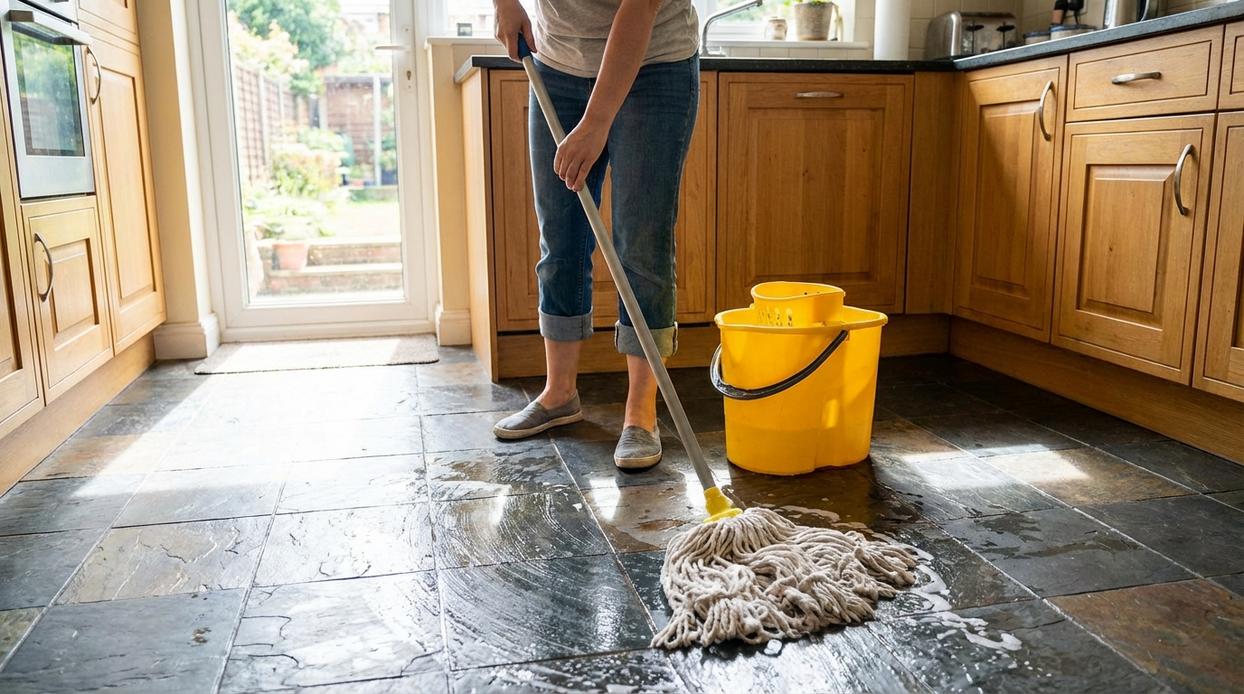
You just finished mopping your floors.
Now what? Most people toss the mop head in a corner and forget about it until next time. That’s how you end up spreading dirty water around your house instead of actually cleaning.
I’m going to walk you through how to clean a mop livpristhouse style. It’s not complicated but you need to do it right.
Step 1: The Immediate Post-Mop Rinse
Don’t wait. As soon as you’re done mopping, take that head off and rinse it under running water. Hot water works best.
Squeeze it out while you rinse. Keep going until the water runs clear and you’ve gotten all the loose dirt out. Then squeeze it again. Get as much water out as you can.
This step matters more than you think. The longer dirt sits in those fibers, the harder it becomes to remove.
Step 2: The Sanitizing Soak
Grab a bucket and fill it with one gallon of hot water. Add either one cup of white vinegar or a capful of bleach. (I prefer vinegar for microfiber since bleach can break down the fibers over time.)
Drop the mop head in and push it down until it’s completely submerged. Let it sit for at least 30 minutes.
If your mop head is really dirty, go for an hour. The solution needs time to break down the grime and kill bacteria.
Step 3: The Wash Cycle
You’ve got two options here.
Option A: Machine Washing
Check if your mop head is machine safe. Most microfiber and cotton heads are but verify first.
Toss it in with a load of towels on a hot, gentle cycle. Skip the fabric softener completely. That stuff coats the fibers and ruins their ability to absorb water.
I usually throw mine in with my cleaning rags. Makes sense to wash all the dirty stuff together.
Option B: Hand Washing
If your mop head can’t go in the machine, you’ll need to scrub it by hand.
Keep it in that cleaning solution and scrub the head against itself. Or use a brush if you have one. Work the solution through all the fibers.
Rinse under clean running water. Keep rinsing until the water runs completely clear. This takes longer than you’d expect.
Squeeze out the excess water and hang it to dry in a spot with good airflow.
Pro tip: I keep two mop heads in rotation. While one’s drying, the other’s ready to go. Saves time and means I’m never stuck waiting for a mop head to dry when I need to clean up a spill.
Some people say you can just rinse and reuse. But that’s how you end up with a mop that smells like a gym locker. Take the extra 10 minutes to do it right.
Your floors will thank you. And honestly, so will anyone who walks into your house. (Nobody wants to smell that musty mop odor.)
If you need more organization tips for your cleaning supplies, check out this garage organizing advice livpristhouse guide.
Specialized Care: How to Properly Clean a Sponge Mop
Your sponge mop is disgusting.
I don’t care how clean your floors look. That sponge head is probably growing more bacteria than a petri dish in a high school science lab.
The problem? Sponge mops are full of tiny holes. Every time you mop, dirt and grime get trapped deep inside where you can’t see them. A quick rinse under the tap doesn’t cut it.
Some people say sponge mops are easier to use than traditional string mops. They’re lighter and you can wring them out with one hand. True enough.
But here’s what they don’t tell you. That convenience comes at a cost. Sponge mops hold onto bacteria way longer than other mop types. String mops dry faster and trap less gunk between the fibers.
Does that mean you should ditch your sponge mop? Not necessarily. Livpristhouse Mintonsharlem picks up right where this leaves off.
You just need to clean it the right way. Here’s how to clean a mop properly so it actually does its job.
Step 1: Aggressive Rinsing
Right after you finish mopping, take the mop head to your sink or bathtub. Run hot water over it and squeeze hard. Keep going until the water runs completely clear.
Most people stop too soon. You need to see zero dirt coming out.
Step 2: The Disinfecting Bath
Fill a bucket with either a 50/50 mix of water and white vinegar or one gallon of water with a quarter cup of bleach. (Pick one, not both. Mixing them creates toxic fumes.)
Vinegar smells worse but it’s gentler on your sponge. Bleach works faster but breaks down the material over time.
Step 3: The Soaking and Squeezing Process
Drop the sponge head into your solution. Let it sit for 15 to 20 minutes.
Here’s the part most people skip. Every few minutes, reach in and squeeze the sponge while it’s still submerged. This forces the disinfectant deep into those porous holes where bacteria hide.
After soaking, rinse everything with clean water until the vinegar or bleach smell is gone.
Your sponge mop will last longer and actually clean your floors instead of just spreading yesterday’s dirt around.
The Most Important Step: Drying and Storing Your Mop Correctly
You just spent all that time cleaning your mop.
Now comes the part most people skip.
And honestly, this is where everything falls apart. Because a damp mop sitting in your closet? That’s basically a bacteria farm. All that scrubbing you just did means nothing if you let your mop stay wet.
I’m not exaggerating here. A wet mop starts growing mildew within hours. You’ll smell it before you see it (that musty smell that hits you when you open the closet).
Some folks say it’s fine to just lean your mop against the wall and call it a day. They think air drying happens naturally and you don’t need to fuss over it.
But here’s what actually happens.
When you store a mop while it’s still soaking wet, you’re creating the perfect environment for mold and bacteria. The same stuff you were trying to clean off your floors is now multiplying on your mop head.
How to Dry Your Mop the Right Way
First thing you need to do is wring out every drop of water you can. I mean really squeeze it. Your hands should be tired by the time you’re done.
Most people give it one weak twist and think that’s enough. It’s not.
Here’s what proper drying looks like:
| Step | What to Do | Why It Matters |
|---|---|---|
| Wring thoroughly | Squeeze until no water drips | Removes 80% of moisture right away |
| Hang upside down | Mop head facing down | Lets gravity pull remaining water out |
| Choose ventilated spot | Near window or open area | Air circulation speeds drying |
| Use sunlight when possible | Direct sun for 2-3 hours | UV rays kill leftover bacteria naturally |
The sunlight part is something I learned from livpristhouse mintonsharlem. UV rays work like a natural sanitizer. You don’t need chemicals or fancy equipment.
Just hang your mop where the sun hits it.
If you don’t have a sunny spot, that’s okay. Good airflow matters more than you think. A bathroom with a fan running works. So does a garage with the door cracked open.
The key is keeping air moving around that mop head.
Pro tip: If you’re wondering how to clean a mop livpristhouse style, remember that drying is just as important as washing. One without the other leaves you right back where you started.
Never store your mop in a bucket. Never stuff it in a closed closet while it’s wet. And definitely don’t lay it flat on the floor.
Give it space to breathe and you’ll get months more life out of it. Plus your floors will actually stay clean instead of getting re-contaminated every time you mop. This is something I break down further in Property Preservation Livpristhouse.
Keep Your Mop Clean and Your Floors Cleaner
You came here to learn how to clean a mop livpristhouse style. Now you know exactly what to do.
No more pushing dirty water around your floors. No more dealing with that smell that hits you every time you open the closet.
The fix is simple: rinse, soak, wash, and dry. That’s it.
This whole process takes about 10 minutes. Do it after every few uses and your mop stays fresh.
Here’s what I want you to do: Add this to your cleaning routine right now. Pick a day each week and stick to it. Your floors will actually get clean instead of just looking clean.
A dirty mop spreads more problems than it solves. You already have the tools and the knowledge to fix that.
Make it happen. Your home deserves better than a grimy mop.
 Founder & Creative Director
Kylor Dornhaven is the kind of writer who genuinely cannot publish something without checking it twice. Maybe three times. They came to home inspiration headlines through years of hands-on work rather than theory, which means the things they writes about — Home Inspiration Headlines, Interior Trends and Layout Ideas, Essential Living Concepts and Styles, among other areas — are things they has actually tested, questioned, and revised opinions on more than once.
That shows in the work. Kylor's pieces tend to go a level deeper than most. Not in a way that becomes unreadable, but in a way that makes you realize you'd been missing something important. They has a habit of finding the detail that everybody else glosses over and making it the center of the story — which sounds simple, but takes a rare combination of curiosity and patience to pull off consistently. The writing never feels rushed. It feels like someone who sat with the subject long enough to actually understand it.
Outside of specific topics, what Kylor cares about most is whether the reader walks away with something useful. Not impressed. Not entertained. Useful. That's a harder bar to clear than it sounds, and they clears it more often than not — which is why readers tend to remember Kylor's articles long after they've forgotten the headline.
Founder & Creative Director
Kylor Dornhaven is the kind of writer who genuinely cannot publish something without checking it twice. Maybe three times. They came to home inspiration headlines through years of hands-on work rather than theory, which means the things they writes about — Home Inspiration Headlines, Interior Trends and Layout Ideas, Essential Living Concepts and Styles, among other areas — are things they has actually tested, questioned, and revised opinions on more than once.
That shows in the work. Kylor's pieces tend to go a level deeper than most. Not in a way that becomes unreadable, but in a way that makes you realize you'd been missing something important. They has a habit of finding the detail that everybody else glosses over and making it the center of the story — which sounds simple, but takes a rare combination of curiosity and patience to pull off consistently. The writing never feels rushed. It feels like someone who sat with the subject long enough to actually understand it.
Outside of specific topics, what Kylor cares about most is whether the reader walks away with something useful. Not impressed. Not entertained. Useful. That's a harder bar to clear than it sounds, and they clears it more often than not — which is why readers tend to remember Kylor's articles long after they've forgotten the headline.