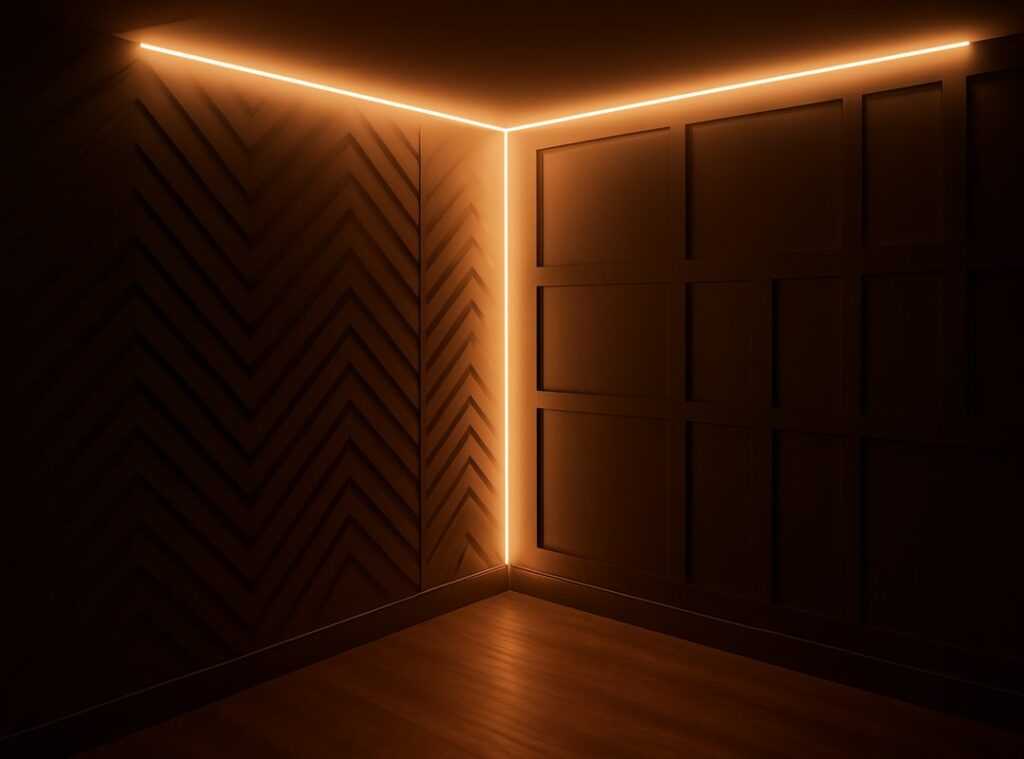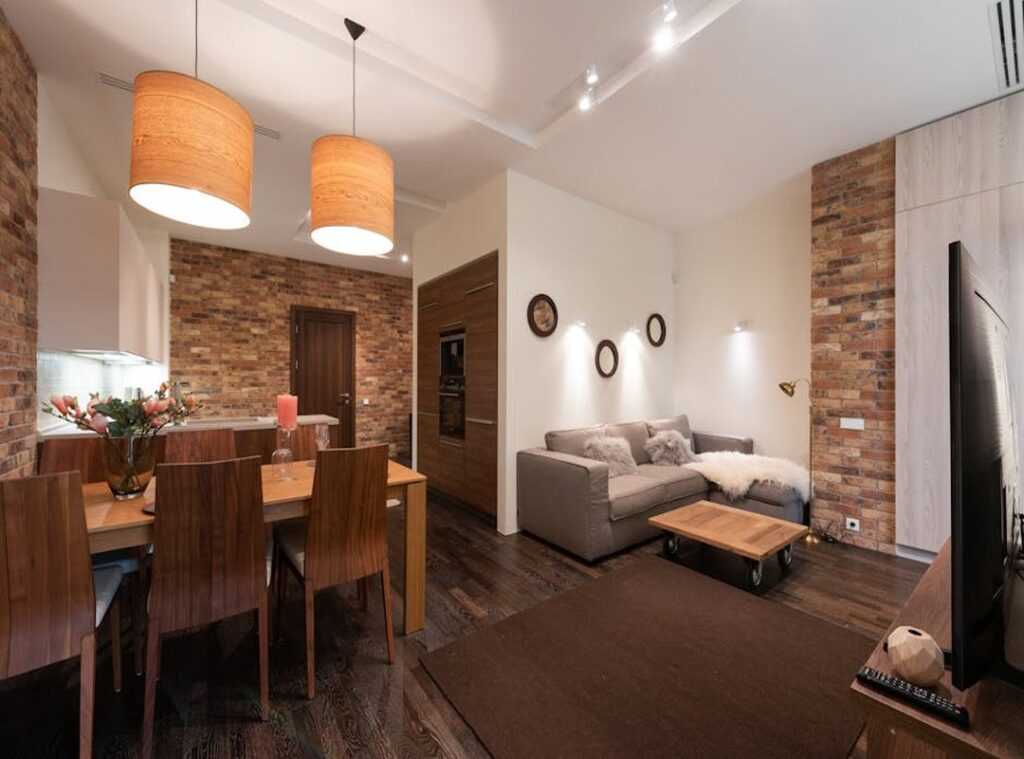

Creating a comfortable, inviting seating area can feel nearly impossible when you’re working with limited square footage. Small spaces often seem restrictive—but with the right approach, they can become the most charming spots in your home. This article shares actionable, designer-approved cozy nook design ideas that maximize style and comfort without requiring demolition or a major budget. The goal isn’t just to fit furniture into a tight corner—it’s to craft a genuine sanctuary for relaxation and connection. We’ll explore smart furniture choices, strategic layout techniques, and the transformative power of layered textures and lighting to help you turn any tiny corner into a retreat.
Choose Your Seating Wisely: The Foundation of Comfort
The wrong sofa can swallow a small living room whole. The right one? It quietly elevates everything.
Focus on Proportionality
Apartment-sized sofas are designed specifically for compact spaces. Typically under 80 inches wide, they feature low profiles (shorter backs), slim arms, and exposed legs. These elements create visual breathing room by allowing light to pass underneath and around the frame. Compare that to a bulky, overstuffed couch with rolled arms: same seating capacity, double the visual weight (and twice the regret on delivery day).
Some argue that bigger sofas equal more comfort. Not necessarily. Comfort comes from seat depth and cushion quality—not sheer mass. A streamlined sofa with supportive foam can feel just as cozy without dominating the room.
Embrace Flexibility with Modular Pieces
A traditional three-seater is static. A modular sectional, on the other hand, adapts. Movie night? Push pieces together. Hosting guests? Separate them into conversational clusters. It’s the difference between fixed seating and customizable comfort. (Think LEGO, but for adults.) Pro tip: Choose modules with connectors to prevent sliding.
Leverage Multi-Functional Furniture
Why buy three pieces when one can do it all? A storage ottoman can act as a coffee table, hidden storage unit, and extra seat. A sleek daybed functions as a sofa by day and guest bed by night. This A vs B choice—single-purpose vs dual-purpose—often determines whether a space feels cramped or clever.
For more budget friendly finds that look high end, focus on pieces that multitask beautifully.
Consider Armless and Backless Options
Armless slipper chairs and backless benches provide seating without visual bulk. Against a wall or layered into cozy nook design ideas, they maximize function while keeping sightlines open. Sometimes less really is more.
Master the Layout: Arranging for Flow and Function
A beautiful room means nothing if it feels awkward to live in (and yes, I’m opinionated about that). Layout is what turns furniture into a space that actually works.
Anchor with a Rug
I firmly believe a room without a rug often feels like it’s floating. A well-chosen area rug defines the seating zone and instantly signals intention—especially in open-plan layouts. The rule of thumb: at least the front legs of all seating should rest on the rug. When everything connects visually, the space feels cohesive rather than scattered. I’ve seen even budget-friendly rooms look custom just by getting this one move right.
Pull Furniture Away from Walls
It’s tempting to push everything against the perimeter. I get it—it seems like it would make the room feel bigger. In my experience, it does the opposite. Floating furniture even a few inches from the walls creates breathing room and depth. The space feels curated, not like a middle school dance with everyone standing around the edges.
Create a Clear Focal Point
Every room needs a star. Whether it’s a window, bold artwork, or a media console, orient your main seating toward one focal point. Without it, the room feels indecisive. With it, the layout suddenly makes sense.
Prioritize Clear Pathways
Flow matters. Keep traffic lanes open and intuitive. A comfortable room is one you can move through without sidestepping chairs. Even when experimenting with cozy nook design ideas, ensure pathways stay unobstructed. Function first—always.
Layer on the Coziness: Beyond the Furniture
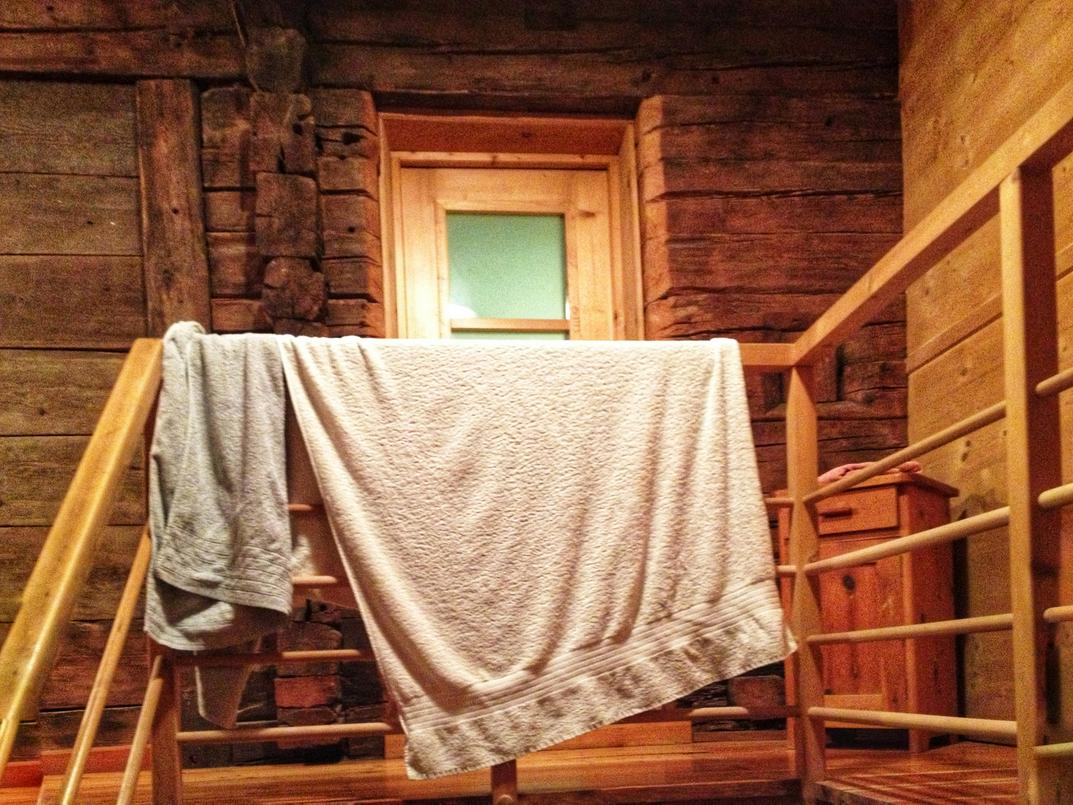
Furniture sets the stage, but TEXTURE is what makes a room feel like a retreat instead of a showroom. If your space feels flat, start with textiles. Layer plush throw blankets over the sofa (yes, even if you think you have enough). Mix cushion sizes and materials—velvet for softness, linen for breathability, knit for that winter-cabin vibe. This layering technique—combining different fabrics to create depth—adds instant warmth. Soft, flowing curtains also help absorb sound and filter light, which makes a room feel calmer and more intimate.
Next: LIGHTING. Relying on one harsh overhead fixture is like using only the big light in a rom-com interrogation scene. Instead, use a three-point strategy. Ambient lighting is your base layer—a soft ceiling fixture with a dimmer switch (a pro tip: dimmers instantly elevate mood and save energy). Task lighting, like a stylish floor lamp, gives focused light for reading. Accent lighting—a small table lamp—adds glow and dimension. Together, they create BALANCE.
If your room feels cramped, choose visually light tables. Glass or acrylic coffee tables allow sightlines to remain open, making the room feel larger. Nesting tables tuck away when unused. C-tables slide over sofa arms—FUNCTIONAL without bulk.
Finally, bring in nature. Houseplants and fresh flowers introduce organic shapes and cleaner air (NASA research highlights plants’ role in improving indoor air quality). Even one leafy plant can transform your space using cozy nook design ideas that feel vibrant, fresh, and alive.
Quick Fix: The One Mistake to Avoid at All Costs
The #1 error is choosing one oversized, bulky piece that swallows room.
Solution: Pick several smaller, well-proportioned pieces instead.
• Measure walls and pathways.
• Arrange seating in flexible groupings.
Think modular sofas, slim chairs, and layered lighting—like cozy nook design ideas
Your Small Space, Reimagined and Redefined
A small footprint should never stop you from creating a seating area that feels inviting, functional, and entirely your own. With the right-sized furniture, a smart layout, and thoughtful layers of texture and lighting, even the most compact room can feel open and intentional. If you’ve been feeling cramped or uncomfortable, remember: that’s not a space problem—it’s a design problem. By applying these cozy nook design ideas, you can transform tight quarters into a place that restores and inspires you. Start rearranging, refining, and reimagining today—your personal haven is closer than you think.
 Head of Interior Trends & Concepts
Wayne Lewisignest is the kind of writer who genuinely cannot publish something without checking it twice. Maybe three times. They came to hidden gems through years of hands-on work rather than theory, which means the things they writes about — Hidden Gems, Everyday Home Optimization Tips, Essential Living Concepts and Styles, among other areas — are things they has actually tested, questioned, and revised opinions on more than once.
That shows in the work. Wayne's pieces tend to go a level deeper than most. Not in a way that becomes unreadable, but in a way that makes you realize you'd been missing something important. They has a habit of finding the detail that everybody else glosses over and making it the center of the story — which sounds simple, but takes a rare combination of curiosity and patience to pull off consistently. The writing never feels rushed. It feels like someone who sat with the subject long enough to actually understand it.
Outside of specific topics, what Wayne cares about most is whether the reader walks away with something useful. Not impressed. Not entertained. Useful. That's a harder bar to clear than it sounds, and they clears it more often than not — which is why readers tend to remember Wayne's articles long after they've forgotten the headline.
Head of Interior Trends & Concepts
Wayne Lewisignest is the kind of writer who genuinely cannot publish something without checking it twice. Maybe three times. They came to hidden gems through years of hands-on work rather than theory, which means the things they writes about — Hidden Gems, Everyday Home Optimization Tips, Essential Living Concepts and Styles, among other areas — are things they has actually tested, questioned, and revised opinions on more than once.
That shows in the work. Wayne's pieces tend to go a level deeper than most. Not in a way that becomes unreadable, but in a way that makes you realize you'd been missing something important. They has a habit of finding the detail that everybody else glosses over and making it the center of the story — which sounds simple, but takes a rare combination of curiosity and patience to pull off consistently. The writing never feels rushed. It feels like someone who sat with the subject long enough to actually understand it.
Outside of specific topics, what Wayne cares about most is whether the reader walks away with something useful. Not impressed. Not entertained. Useful. That's a harder bar to clear than it sounds, and they clears it more often than not — which is why readers tend to remember Wayne's articles long after they've forgotten the headline.