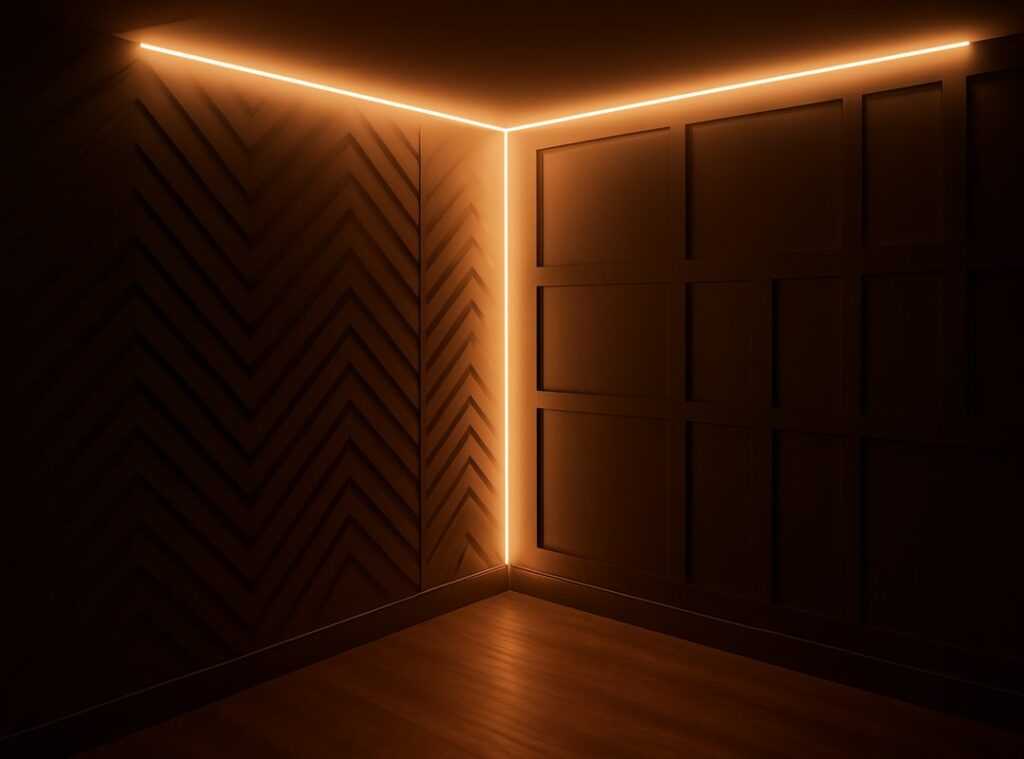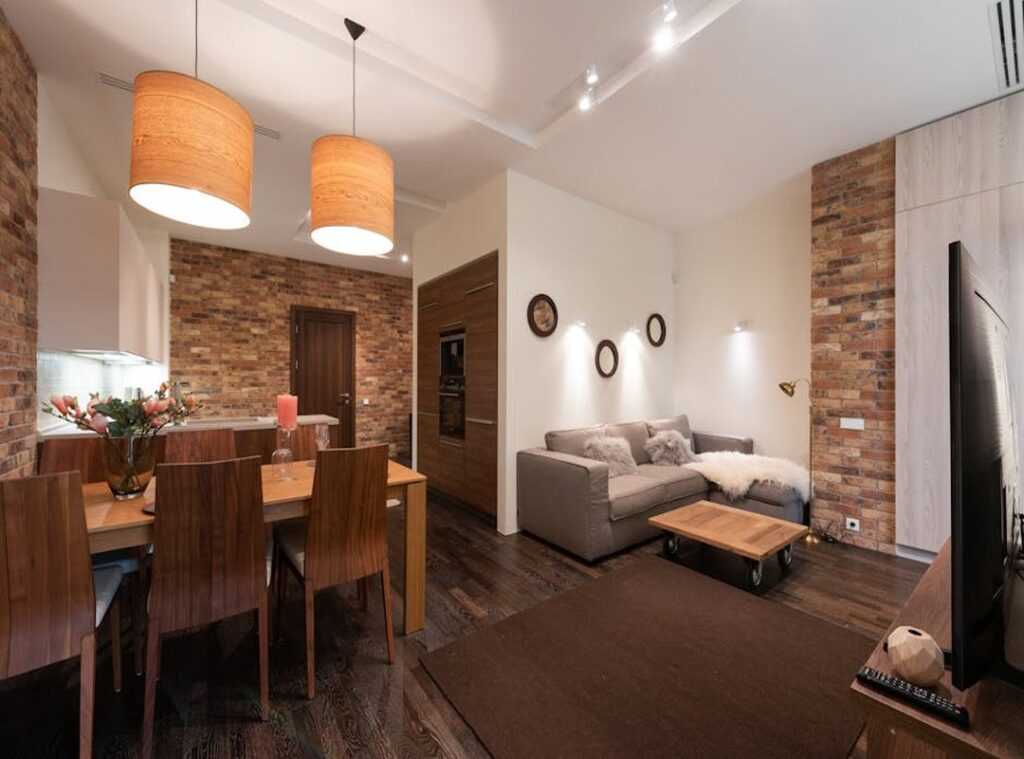

Ever look around your home and feel confused about why it doesn’t quite work—even though you love every piece in it? That frustrating disconnect often comes from a lack of cohesion, not a lack of style or budget. The truth is, the difference between a nice room and a stunning one lies in applying intentional, proven designer decor tricks that pull everything together. This guide breaks down those foundational techniques into simple, actionable steps. You’ll learn how to layer, balance, and refine your space with purpose—so you can elevate your home decor today with confidence and clarity.
The Foundation: Mastering Space, Light, and Color
Ever walk into a room and feel… off? The sofa’s gorgeous, the rug was expensive, and yet the space feels chaotic. You’re not alone. Most design frustrations come down to three fundamentals: space, light, and color.
The 60-30-10 Rule
First, let’s define a classic: the 60-30-10 rule. It’s a color formula where 60% of the room is your dominant color (usually walls), 30% is a secondary color (furniture), and 10% is an accent (pillows, art, decor). Think of it like a well-balanced outfit—too many statement pieces and suddenly you’re in a fashion disaster montage.
For example:
- 60% warm white walls
- 30% soft gray sofa and chairs
- 10% navy or brass accents
This structure prevents the “paint store explosion” look (we’ve all seen it). When in doubt, test swatches in natural light before committing.
Maximizing Natural Light
Now, about that dim, cave-like feeling. Simply opening curtains isn’t enough. Instead:
- Place mirrors opposite windows to reflect daylight.
- Use light paint colors to bounce light around.
- Choose furniture with legs to create visual airiness.
These designer decor tricks make even small rooms feel breathable.
Defining Flow and Function
Finally, embrace negative space—the empty areas that give your eyes a place to rest. Without it, rooms feel cramped and stressful. Arrange furniture to create clear walkways (at least 30 inches wide). If clutter is the culprit, explore hidden storage ideas you havent tried yet: https://livpristhouse.com/hidden-storage-ideas-you-havent-tried-yet/
After all, a room should work for you—not feel like an obstacle course.
High-Impact Techniques for a Professional Finish
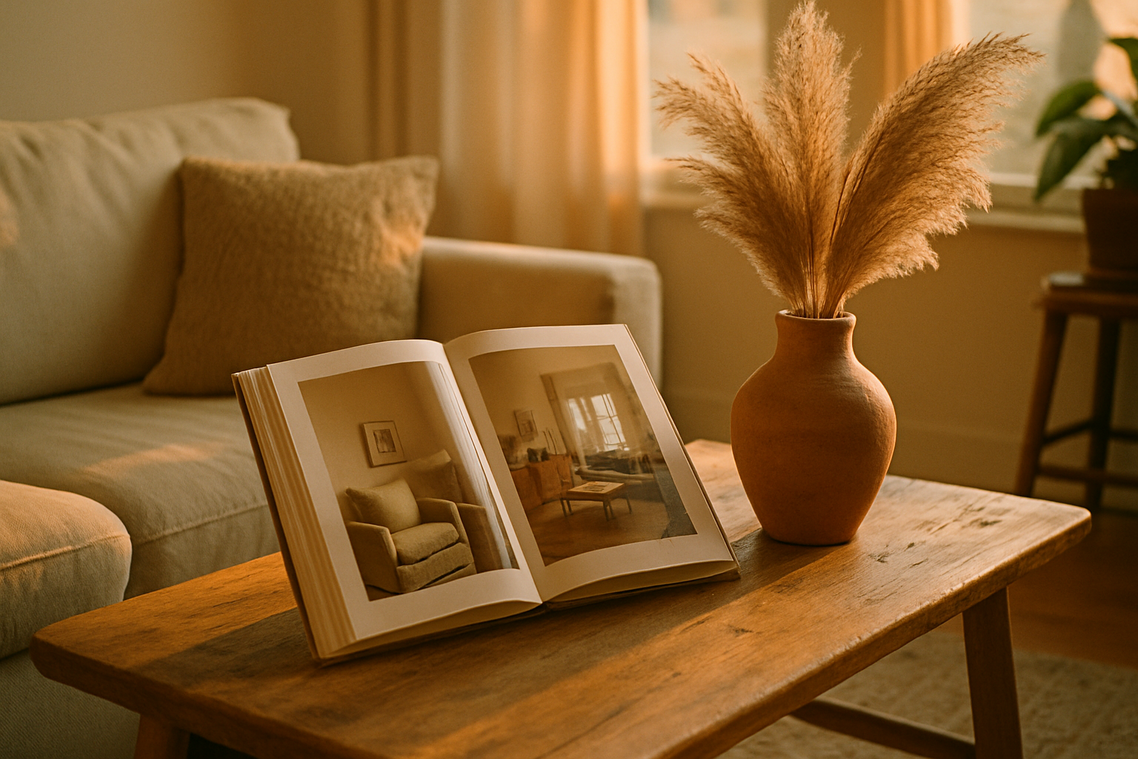
A polished room rarely comes down to expensive furniture. More often, it’s about understanding a few core styling principles—and applying them with intention. Let’s break down three that designers rely on again and again.
Layering Textures for Depth
First, texture is the surface quality of a material—how it feels or looks like it would feel. Many people focus only on color, but a room filled with smooth surfaces can fall flat, even in a beautiful palette.
Instead, layer contrasting materials. For example, place a velvet pillow (soft and plush) on a linen sofa (lightly textured and breathable). Anchor a wooden coffee table with a woven jute rug. The contrast creates depth, which simply means the space feels visually rich rather than one-dimensional.
In other words, texture adds warmth without clutter. A leather chair beside a chunky knit throw? Instantly more inviting (think of how a Ralph Lauren ad balances rugged and refined).
Pro tip: If your room feels “off” but you can’t explain why, add one tactile element—like a ceramic vase or boucle ottoman—before buying new furniture.
The Power of Three (and Other Odd Numbers)
Next, let’s clarify the “Rule of Three.” This principle suggests arranging decor in groups of three because odd numbers feel more dynamic and natural to the human eye.
Why? Symmetry can appear static. Odd groupings create subtle tension, which keeps the eye moving. On a coffee table, try a stack of books, a small plant, and a sculptural object. On a shelf, combine varying heights and shapes.
This is one of those designer decor tricks that sounds simplistic—but it works because our brains prefer balanced asymmetry (a concept rooted in Gestalt psychology).
Strategic Lighting Layers
Finally, lighting isn’t just about brightness; it’s about layers.
- Ambient lighting: overall illumination (like ceiling fixtures).
- Task lighting: focused light for activities (a reading lamp by the sofa).
- Accent lighting: highlights for art, plants, or architectural details.
In a living room, combine a central fixture (ambient), a floor lamp near seating (task), and wall sconces or picture lights (accent). Together, they prevent harsh shadows and create atmosphere.
When these layers work in harmony, the room feels intentional—never accidental.
Finding your focal point transforms a room from scattered to intentional. Every space needs a visual anchor—the element your eye lands on first. It could be a fireplace, oversized art, or a bold sofa. Once identified, arrange seating and lighting to support it, not compete with it. The benefit? Instant harmony and less decision fatigue when styling the rest.
Next, embrace mixing high and low. Great design is not about price tags; it is about contrast and character. Pair an investment dining table with vintage chairs or affordable textiles. This layered approach creates depth and tells a story. Think of it as designer decor tricks used thoughtfully, not lavishly. The payoff is a home that feels curated, not cataloged.
Finally, edit with intention:
- Remove one item from every crowded surface.
- Group similar objects for impact.
- Leave breathing room around statement pieces.
As a result, your favorite items shine. A streamlined space lowers stress and makes daily living smoother (yes, clutter really does drain energy). Ultimately, curation and personalization give you a home that works for you—not just one that looks good in photos. In turn, you gain confidence every time you walk through the door. And that feeling lasts daily.
Creating a Home That Truly Reflects You
You set out to create a home that feels finished, personal, and truly yours—not cluttered or incomplete. The truth is, enhancing your space isn’t about buying more. It’s about applying a few powerful principles with intention. When you focus on layering textures, scaling pieces correctly, and thoughtfully curating what stays, that elusive “finished” feeling becomes completely achievable.
If you’re tired of rooms that almost feel right but never quite come together, start small. Choose one technique—like styling a shelf using the Rule of Three—and apply it this week. These designer decor tricks work because they’re simple, proven, and impactful. Try one today and watch your space instantly feel more polished and personal.
 Home Optimization Specialist & Content Strategist
Ask Patricia Pickardaycare how they got into essential living concepts and styles and you'll probably get a longer answer than you expected. The short version: Patricia started doing it, got genuinely hooked, and at some point realized they had accumulated enough hard-won knowledge that it would be a waste not to share it. So they started writing.
What makes Patricia worth reading is that they skips the obvious stuff. Nobody needs another surface-level take on Essential Living Concepts and Styles, Prize-Worthy Room Design Techniques, Home Inspiration Headlines. What readers actually want is the nuance — the part that only becomes clear after you've made a few mistakes and figured out why. That's the territory Patricia operates in. The writing is direct, occasionally blunt, and always built around what's actually true rather than what sounds good in an article. They has little patience for filler, which means they's pieces tend to be denser with real information than the average post on the same subject.
Patricia doesn't write to impress anyone. They writes because they has things to say that they genuinely thinks people should hear. That motivation — basic as it sounds — produces something noticeably different from content written for clicks or word count. Readers pick up on it. The comments on Patricia's work tend to reflect that.
Home Optimization Specialist & Content Strategist
Ask Patricia Pickardaycare how they got into essential living concepts and styles and you'll probably get a longer answer than you expected. The short version: Patricia started doing it, got genuinely hooked, and at some point realized they had accumulated enough hard-won knowledge that it would be a waste not to share it. So they started writing.
What makes Patricia worth reading is that they skips the obvious stuff. Nobody needs another surface-level take on Essential Living Concepts and Styles, Prize-Worthy Room Design Techniques, Home Inspiration Headlines. What readers actually want is the nuance — the part that only becomes clear after you've made a few mistakes and figured out why. That's the territory Patricia operates in. The writing is direct, occasionally blunt, and always built around what's actually true rather than what sounds good in an article. They has little patience for filler, which means they's pieces tend to be denser with real information than the average post on the same subject.
Patricia doesn't write to impress anyone. They writes because they has things to say that they genuinely thinks people should hear. That motivation — basic as it sounds — produces something noticeably different from content written for clicks or word count. Readers pick up on it. The comments on Patricia's work tend to reflect that.