
If you’re tired of sacrificing your weekends to marathon cleaning sessions, you’re not alone. Feeling constantly behind on household chores can turn your home into a source of stress instead of comfort. This guide is designed to help you break that cycle. By following a step-by-step framework built on proven optimization principles, you’ll learn how to create efficient home cleaning routines that prioritize consistency over intensity. Instead of exhausting deep cleans, you’ll implement a streamlined system that fits seamlessly into your daily life—so you can stop “catching up” on cleaning and start simply maintaining a calm, consistently tidy space.
The Mindset Shift: From Overwhelming Chore to Simple Habit
I used to wait for the “perfect Saturday” to reset my home. You know the one—no plans, endless energy, a fresh playlist. It rarely came. Instead, clutter piled up, and cleaning became a marathon (the kind you regret at mile two). That’s the “all or nothing” trap—the belief that if you can’t deep-clean everything, it’s not worth starting. In reality, this mindset breeds burnout, not tidiness.
The shift happened when I tried the 15-Minute Rule. Fifteen focused minutes a day—setting a timer and tackling one small zone—kept messes from snowballing. Psychologists call this lowering the “activation energy,” or the effort required to start a task (Clear, 2018). Small starts beat grand plans. Over time, those minutes formed efficient home cleaning routines that felt automatic instead of exhausting.
Then I discovered habit stacking—attaching a new habit to an existing one (Duhigg, 2012). I wipe down the sink after brushing my teeth. I clear counters while coffee brews. These micro-actions compound.
If you’re skeptical, I was too. But tidy homes aren’t built on heroic Saturdays. They’re built on daily habits that keep your home organized. Start small. Consistency wins.
Designing Your Personalized Cleaning Blueprint
Feeling overwhelmed by everything that needs cleaning? You’re not alone. The secret isn’t working harder—it’s creating a system that works for your home.
Step 1: The Brain Dump
Start by writing down every single cleaning task you can think of. Yes, everything. Wipe baseboards. Clean the microwave. Dust ceiling fans. Wash shower curtains. This “brain dump” gets tasks out of your head and onto paper (which instantly lowers stress). Think of it as a master inventory of your space.
If you skip this step, you’ll keep remembering random chores at the worst possible time—like noticing dusty blinds right as guests arrive.
Step 2: Task Batching and Zoning
Now, organize your list using one of two simple methods:
- By Task: Assign a specific activity to a day (Dusting Mondays, Vacuuming Tuesdays).
- By Zone: Assign a room to each day (Kitchen Monday, Bathrooms Tuesday).
Sample weekly schedule:
- Monday: Kitchen (counters, sink, appliances)
- Tuesday: Bathrooms (toilets, mirrors, floors)
- Wednesday: Dust whole house
- Thursday: Vacuum and mop
- Friday: Bedrooms and laundry refresh
Some argue rigid schedules feel restrictive. Fair point. But structure actually creates freedom—you stop guessing what to clean next. That’s the foundation of efficient home cleaning routines.
Step 3: The High-Impact List
Finally, circle 3–5 tasks that make the biggest visible difference: clear kitchen counters, make the bed, clean floors, empty trash, wipe bathroom sinks.
When life gets busy (and it will), do these first. You’ll maintain a tidy-looking home with minimal effort. Pro tip: Keep this short list on your fridge for quick resets.
The Minimalist’s Toolkit: Your Simplified Cleaning Arsenal
A cluttered cleaning cabinet doesn’t just waste space—it drains mental energy. Psychologists call it decision fatigue: the more choices you face, the worse your decisions become (Baumeister et al., 1998). When you’re staring at 12 sprays, you’re less likely to start at all. Fewer, better tools reduce friction and make efficient home cleaning routines actually stick.
The Essential Four
Research from the American Cleaning Institute shows most household grime falls into predictable categories—dust, grease, and mineral buildup—meaning you don’t need a specialty product for every surface.
- High-quality microfiber cloths: Proven to remove up to 99% of bacteria with water alone (EPA findings). They dust, wipe, and polish without scratching.
- A go-to all-purpose cleaner: One reliable formula handles counters, appliances, and spills (no chemistry degree required).
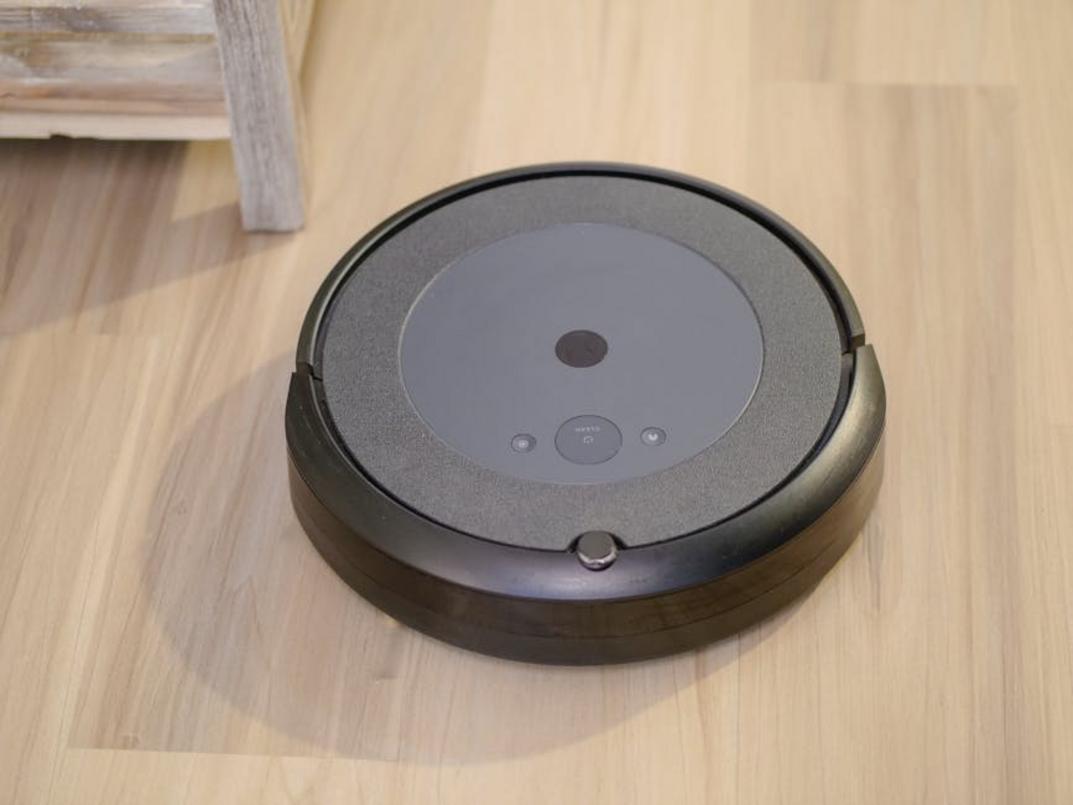
- A powerful cordless vacuum: Case studies from consumer testing labs consistently rank stick vacuums high for daily debris removal and convenience.
- A squeegee: Cuts bathroom cleaning time significantly by preventing soap scum buildup in the first place.
Skeptics argue specialized tools clean better. Sometimes true—but for 90% of tasks, versatility wins (and your cabinet can finally breathe).
Keep everything in a portable caddy. Studies on habit formation show convenience increases follow-through. If it’s grab-and-go, it gets done.
Putting Your Routine in Motion: Daily Resets and Weekly Deep Dives
The Daily “Closing Shift”
Think of your evening tidy as your home’s closing shift (yes, like you’re locking up a tiny, very personal café). In 15 minutes, run through this checklist:
- Load/run the dishwasher
- Wipe down kitchen counters
- Put away stray items
- Complete one High-Impact task from your list
This habit builds momentum through efficient home cleaning routines that prevent clutter creep. Some argue daily resets are excessive—”It’ll just get messy again.” True. But that’s like saying there’s no point brushing your teeth. Maintenance beats overhaul, every time.
The Weekly “Zone” Attack
Dedicate one focused hour per week to a specific zone: scrub the shower, clean appliances, dust baseboards. These deeper tasks won’t vanish on their own (if only).
Prediction: As hybrid work continues, more households will adopt structured resets to protect mental clarity. A tidy space may soon feel less like a luxury—and more like a survival skill.
By establishing efficient cleaning routines, busy households can maximize their time and energy, ensuring that every corner sparkles—an essential strategy for those also looking to achieve stylish organization in small spaces, as explored in our article ‘Small Space Success Stories: Big Style in Compact Homes.’
Living in a State of ‘Ready’
You wanted a way to escape the exhausting cycle of marathon cleaning sessions—and now you have it. By focusing on small, repeatable actions instead of overwhelming overhauls, you’ve learned how efficient home cleaning routines can keep your space consistently calm and clutter-free. No more waiting for the “right time” to tackle the mess. No more losing entire weekends to catch-up chores.
The real pain point was never cleaning itself—it was the stress, the guilt, and the constant feeling of being behind. This system removes that weight.
Now take the first step: choose one 15-minute task and complete it today. Thousands of readers rely on these proven strategies to simplify their homes—start now and feel the difference immediately.
 Founder & Creative Director
Kylor Dornhaven is the kind of writer who genuinely cannot publish something without checking it twice. Maybe three times. They came to home inspiration headlines through years of hands-on work rather than theory, which means the things they writes about — Home Inspiration Headlines, Interior Trends and Layout Ideas, Essential Living Concepts and Styles, among other areas — are things they has actually tested, questioned, and revised opinions on more than once.
That shows in the work. Kylor's pieces tend to go a level deeper than most. Not in a way that becomes unreadable, but in a way that makes you realize you'd been missing something important. They has a habit of finding the detail that everybody else glosses over and making it the center of the story — which sounds simple, but takes a rare combination of curiosity and patience to pull off consistently. The writing never feels rushed. It feels like someone who sat with the subject long enough to actually understand it.
Outside of specific topics, what Kylor cares about most is whether the reader walks away with something useful. Not impressed. Not entertained. Useful. That's a harder bar to clear than it sounds, and they clears it more often than not — which is why readers tend to remember Kylor's articles long after they've forgotten the headline.
Founder & Creative Director
Kylor Dornhaven is the kind of writer who genuinely cannot publish something without checking it twice. Maybe three times. They came to home inspiration headlines through years of hands-on work rather than theory, which means the things they writes about — Home Inspiration Headlines, Interior Trends and Layout Ideas, Essential Living Concepts and Styles, among other areas — are things they has actually tested, questioned, and revised opinions on more than once.
That shows in the work. Kylor's pieces tend to go a level deeper than most. Not in a way that becomes unreadable, but in a way that makes you realize you'd been missing something important. They has a habit of finding the detail that everybody else glosses over and making it the center of the story — which sounds simple, but takes a rare combination of curiosity and patience to pull off consistently. The writing never feels rushed. It feels like someone who sat with the subject long enough to actually understand it.
Outside of specific topics, what Kylor cares about most is whether the reader walks away with something useful. Not impressed. Not entertained. Useful. That's a harder bar to clear than it sounds, and they clears it more often than not — which is why readers tend to remember Kylor's articles long after they've forgotten the headline.