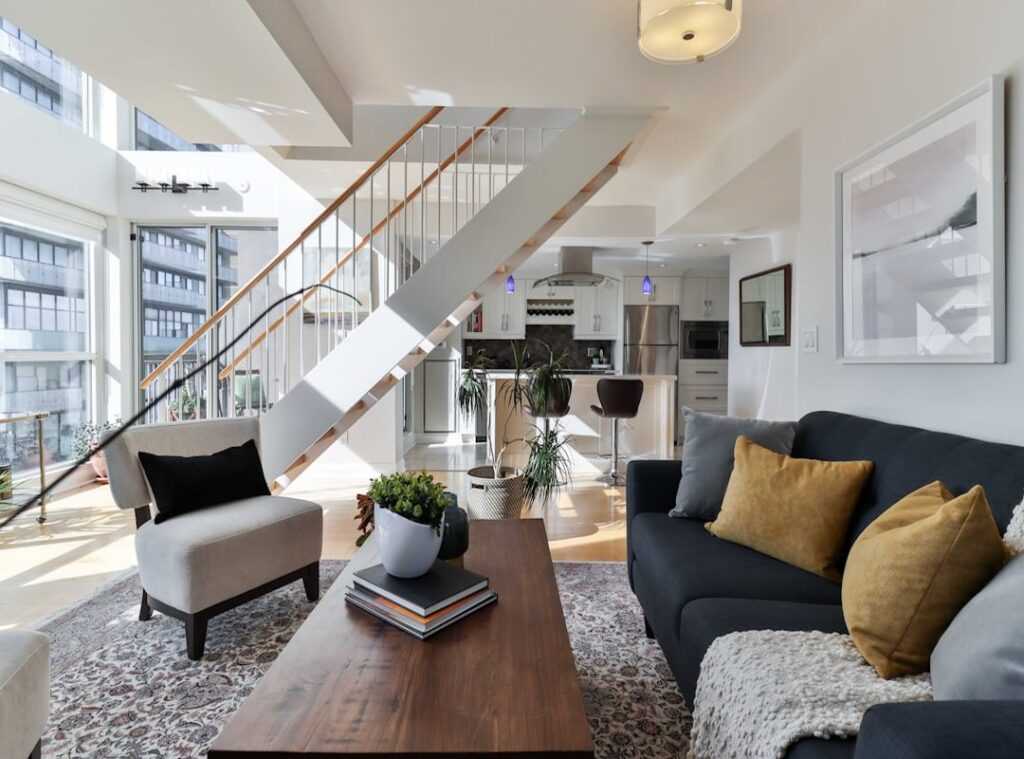

Natural light can completely transform the way your home looks and feels—but knowing how to use it effectively is where most homeowners get stuck. If you’re searching for practical, stylish ways to brighten your space, this guide is designed to show you exactly how to approach optimizing natural light at home with intention and impact.
From strategic mirror placement and window treatments to layout adjustments and color choices, we break down the essential techniques that make rooms feel larger, warmer, and more inviting. Whether you’re working with a compact apartment or a spacious layout, the right light-enhancing strategies can elevate both aesthetics and functionality.
Our insights are grounded in proven interior design principles and real-world home styling experience, drawing from current trends and timeless techniques that consistently deliver results. By the end of this article, you’ll have clear, actionable ideas to maximize daylight, reduce reliance on artificial lighting, and create a brighter, more uplifting living environment.
Your Home, Bathed in Sunlight: A Practical Guide
I firmly believe natural light is the most UNDERRATED design tool in any home. A dim space doesn’t just look smaller; it feels heavier (and who wants their living room to feel like a cave at noon?). Studies link daylight exposure to improved mood and sleep quality (Harvard Health).
When it comes to optimizing natural light at home, I think strategy beats splurging.
• Use mirrors opposite windows to double perceived brightness.
• Choose light, matte wall colors to reflect—not absorb—sunlight.
Some argue artificial lighting can replicate daylight. I disagree. Nothing replaces the sun’s dynamic warmth. Why settle for less?
Start at the Source: Unlocking Your Windows’ Full Potential
The Simplest First Step
Before you buy anything, clean the glass. According to the International Window Cleaning Association, dirty windows can reduce natural light transmission by up to 20%. That’s like willingly living in a permanent late afternoon filter (and not the flattering kind). A thorough wash—inside and out—instantly increases brightness, improves mood, and even reduces energy use by lowering daytime lighting needs, as noted by the U.S. Department of Energy.
Strategic Window Treatments
Heavy drapes absorb light instead of reflecting it. Swapping them out can dramatically shift a room’s feel:
- Sheer curtains diffuse sunlight while maintaining privacy.
- Light-filtering cellular shades soften glare and add insulation.
- Top-down/bottom-up blinds allow precise light control without sacrificing seclusion.
Some argue blackout curtains are essential everywhere. True—for bedrooms. But in living spaces, lighter fabrics support optimizing natural light at home while still offering coverage.
The “Naked” Window Myth
Not every window needs dressing. If it doesn’t face neighbors, leaving it bare can maximize daylight (sometimes less really is more).
Interior Glass Solutions
French doors, glass-paneled doors, and transom windows channel light deeper into hallways and interior rooms. Studies in environmental psychology link increased daylight to higher productivity and well-being—proof that brighter spaces aren’t just prettier, they’re healthier.
The Multiplier Effect: Using Reflective Surfaces to Bounce Light
Natural light is free, flattering, and mood-boosting (basically the Beyoncé of design elements). Yet some argue mirrors and reflective tricks feel “too staged” or overly decorative. Fair point. But when used strategically, they don’t just decorate — they MULTIPLY.
Mirrors as Light Windows
A mirror isn’t art you hang randomly. Place it directly opposite a window to effectively double your light source. In a narrow hallway, position one at the end wall to create depth and bounce brightness forward. Designers call this “visual expansion,” but it’s really physics: light hits the mirror and reflects at equal angles (Law of Reflection, Physics Classroom).
Skeptics say mirrors can cause glare. True — if they face direct harsh beams. Angle them slightly to diffuse intensity. Pro tip: taller mirrors spread light more evenly than small clustered ones.
The Science of Paint
Light Reflectance Value (LRV) measures how much visible light a color reflects on a scale of 0 (black) to 100 (pure white) (Benjamin Moore). Higher LRV equals brighter rooms.
- Soft whites
- Light greys
- Pale pastels
Pair high-LRV colors with satin or semi-gloss finishes; they reflect more light than matte. Some argue glossy walls show imperfections. They can — but proper prep makes the payoff worth it.
Brighten from the Ground Up
Light flooring — pale oak, light tile, or neutral rugs — reflects illumination upward, reinforcing optimizing natural light at home. Dark floors absorb light (great for drama, less great for brightness).
Strategic Metallic Accents
Chrome, nickel, brass, and silver function like micro-mirrors, scattering light subtly across a room. A lamp base here, a tray there — small touches, big effect.
For more practical upgrades, explore energy saving tips every homeowner should know.
Designing for Daylight: Furniture Layout and Decluttering

A bright room rarely happens by accident. First and foremost, create clear pathways for light by positioning furniture so windows remain unobstructed. Imagine sunlight traveling in a straight line from the window across the floor—now remove anything tall or bulky from that path. For example, swap a high-backed sofa in front of a window for a low-profile loveseat placed perpendicular to it. This simple shift enhances light flow and makes the room feel instantly larger.
Equally important, choose “lighter” furniture. That means lighter in color and visual weight. Mid-century modern pieces with exposed legs allow light to pass underneath, preventing heavy shadow blocks. In contrast, oversized, dark sectionals absorb brightness (great for movie nights, not so great for mornings).
Next, embrace the power of pruning. Decluttering surfaces, shelves, and corners reduces micro-shadows—those tiny pockets of darkness caused by excess objects. A minimalist approach supports optimizing natural light at home while improving visual calm.
Finally, fabrics matter. Linen, cotton, and light wool reflect daylight beautifully, whereas dense velvet and dark textiles tend to absorb it. Pro tip: choose washable light slipcovers for flexibility and brightness year-round.
Advanced Techniques for a Sun-Drenched Home
Bringing light from above can completely transform how a space feels. Skylights—windows installed in the roof—flood rooms with direct daylight, making kitchens and living areas feel larger and more inviting. Solar tubes (also called sun tunnels) channel sunlight through a reflective tube into tight spots like windowless bathrooms or dark hallways. The benefit? Lower daytime lighting costs and a noticeable mood boost (yes, natural light really can make Monday mornings easier). Studies show daylight exposure supports productivity and well-being (Harvard Health).
Meanwhile, don’t overlook your yard. Pruning overgrown trees and shrubs often delivers faster results than repainting walls. More sunlight entering your windows means brighter interiors without renovation costs.
For bigger upgrades, consider enlarging windows or adding new ones—especially on south-facing walls in the northern hemisphere. This strategic move maximizes passive solar gain, improves resale appeal, and makes optimizing natural light at home a lasting investment worthy of a home makeover show reveal.
Living in a Brighter, More Vibrant Space
You now have a complete toolkit—ranging from quick five-minute fixes to lasting upgrades—to transform how light moves through your home. But let’s clarify why these changes work.
Light follows three simple principles:
- Reflection: Bouncing light off surfaces like mirrors or glossy paint.
- Diffusion: Softly scattering light to reduce harsh shadows.
- Clear pathways: Removing obstacles so sunlight can travel freely.
In other words, optimizing natural light at home isn’t magic—it’s physics (the good kind, not the high school headache). As a result, rooms feel larger, more energy-efficient, and emotionally uplifting. Start small today—clean one window or reposition a mirror—and notice the shift immediately.
Bring More Light, Life, and Intention Into Your Home
You came here looking for practical, inspiring ways to transform your space—and now you have the tools to do exactly that. From layout adjustments to color choices and smart styling decisions, you’ve seen how small changes can make a dramatic difference, especially when it comes to optimizing natural light at home.
Dark, dull rooms can drain your energy and make even the most beautiful furniture feel lifeless. But with the right design techniques, you can create a space that feels brighter, bigger, and more inviting every single day.
Now it’s time to take action. Start by choosing one room and applying the strategies you’ve learned—rethink window treatments, reposition mirrors, and simplify heavy décor. If you’re ready for a complete transformation, explore more expert-backed home inspiration and proven design techniques to elevate your entire living space.
Don’t settle for a home that feels closed in or uninspired. Take the next step today and turn your space into a light-filled sanctuary you’re proud to live in.
 Home Optimization Specialist & Content Strategist
Ask Patricia Pickardaycare how they got into essential living concepts and styles and you'll probably get a longer answer than you expected. The short version: Patricia started doing it, got genuinely hooked, and at some point realized they had accumulated enough hard-won knowledge that it would be a waste not to share it. So they started writing.
What makes Patricia worth reading is that they skips the obvious stuff. Nobody needs another surface-level take on Essential Living Concepts and Styles, Prize-Worthy Room Design Techniques, Home Inspiration Headlines. What readers actually want is the nuance — the part that only becomes clear after you've made a few mistakes and figured out why. That's the territory Patricia operates in. The writing is direct, occasionally blunt, and always built around what's actually true rather than what sounds good in an article. They has little patience for filler, which means they's pieces tend to be denser with real information than the average post on the same subject.
Patricia doesn't write to impress anyone. They writes because they has things to say that they genuinely thinks people should hear. That motivation — basic as it sounds — produces something noticeably different from content written for clicks or word count. Readers pick up on it. The comments on Patricia's work tend to reflect that.
Home Optimization Specialist & Content Strategist
Ask Patricia Pickardaycare how they got into essential living concepts and styles and you'll probably get a longer answer than you expected. The short version: Patricia started doing it, got genuinely hooked, and at some point realized they had accumulated enough hard-won knowledge that it would be a waste not to share it. So they started writing.
What makes Patricia worth reading is that they skips the obvious stuff. Nobody needs another surface-level take on Essential Living Concepts and Styles, Prize-Worthy Room Design Techniques, Home Inspiration Headlines. What readers actually want is the nuance — the part that only becomes clear after you've made a few mistakes and figured out why. That's the territory Patricia operates in. The writing is direct, occasionally blunt, and always built around what's actually true rather than what sounds good in an article. They has little patience for filler, which means they's pieces tend to be denser with real information than the average post on the same subject.
Patricia doesn't write to impress anyone. They writes because they has things to say that they genuinely thinks people should hear. That motivation — basic as it sounds — produces something noticeably different from content written for clicks or word count. Readers pick up on it. The comments on Patricia's work tend to reflect that.