

Looking for fresh ideas to elevate your home with style, function, and intention? This article is designed to help you navigate today’s most inspiring home design trends while offering practical strategies you can apply right away. From standout interior concepts to smart everyday optimization tips, we focus on what truly enhances the way you live.
We’ve analyzed emerging interior trends, studied prize-worthy spaces, and referenced insights from leading designers to bring you guidance that balances creativity with livability. Whether you’re refreshing a single room or rethinking your entire space, you’ll discover actionable ideas rooted in both aesthetics and purpose.
Inside, we explore essential living concepts, innovative layouts, and interior lighting techniques that transform atmosphere and functionality. If your goal is to create a home that feels curated, comfortable, and current, this guide will give you the clarity and inspiration you need to move forward with confidence.
The Foundation: Mastering the Three Layers of Light
Great rooms aren’t just decorated—they’re layered. Designers consistently rely on three types of lighting to shape how a space looks and feels, and research supports why this matters. According to the American Lighting Association, layered lighting improves both functionality and perceived comfort in residential spaces.
Ambient Lighting (The General Glow)
Ambient lighting is your room’s primary light source—the baseline illumination that allows you to move safely and comfortably. Think recessed lights, chandeliers, and flush mounts. The goal is even, glare-free coverage. Studies show that diffused overhead lighting reduces eye strain and visual fatigue compared to exposed bulbs. To achieve balance, space recessed fixtures evenly and choose bulbs with a color temperature between 2700K–3000K for a warm, inviting tone. (Nobody wants their living room to feel like a parking garage.)
Task Lighting (The Focused Beam)
Next, task lighting provides concentrated illumination for specific activities like reading, cooking, or grooming. Under-cabinet lights reduce kitchen prep shadows by up to 70%, according to lighting manufacturer case studies. Desk lamps should sit opposite your dominant hand to minimize glare, while vanity lights placed at eye level prevent harsh facial shadows. Placement matters more than brightness alone.
Accent Lighting (The Dramatic Touch)
Finally, accent lighting adds depth and visual hierarchy. Track lighting, wall sconces, and picture lights draw attention to artwork or architectural details. In fact, focal lighting can increase visual interest perception in a room by nearly 30%, based on retail display studies. When used strategically, it supports creating a focal point that draws the eye.
Mastering these interior lighting techniques transforms flat rooms into layered, dynamic spaces.
Decoding the Bulb: Choosing Color Temperature and Brightness
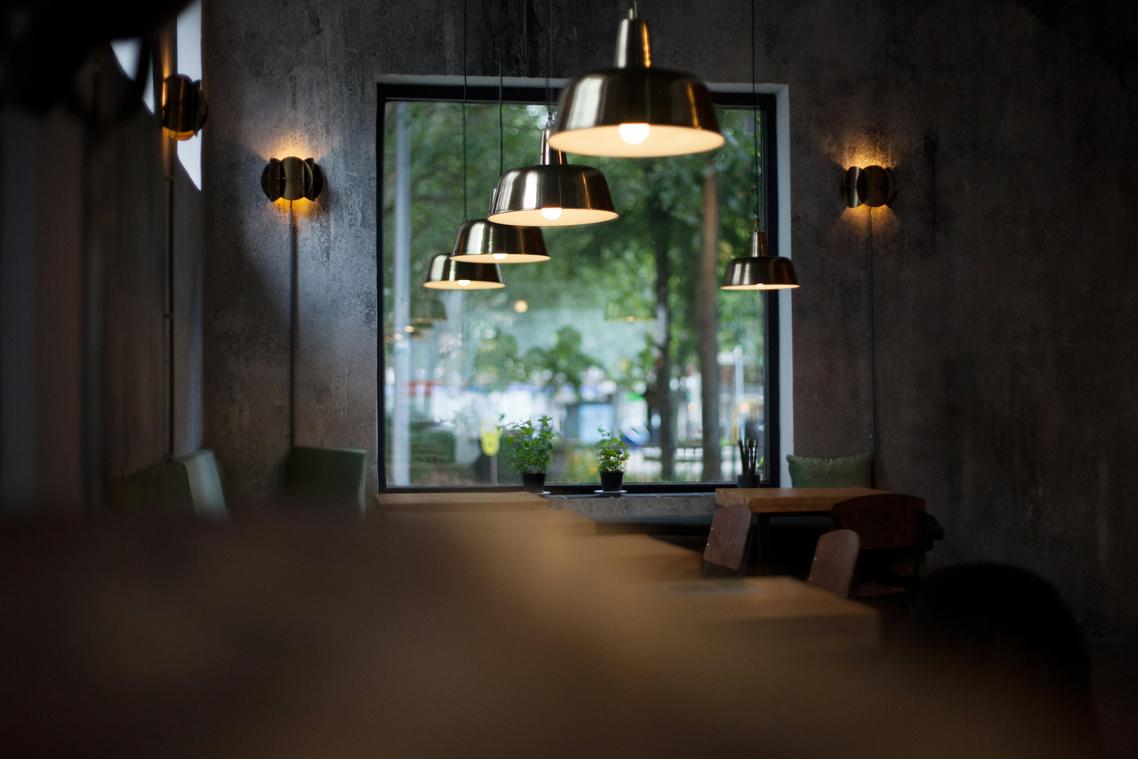
I used to think a bulb was just a bulb. Then I installed 5000K “daylight” LEDs in my bedroom and wondered why it felt like a hospital corridor at midnight. Lesson learned.
Kelvins Explained (Color Temperature)
Kelvins (K) measure a bulb’s color temperature—how warm or cool the light appears.
- 2700K–3000K: Warm, yellow-toned light. Cozy and relaxing (think candlelight or a coffee shop scene in a rom-com).
- 3500K–4000K: Neutral white. Crisp but not harsh.
- 5000K+: Cool, blue-toned daylight. Energizing and clinical.
I once ignored these numbers and chose bulbs based on price alone. Big mistake. Matching Kelvins to the room changes everything.
Room-Specific Color Recommendations
- Bedrooms & living rooms: 2700K–3000K for calm evenings.
- Kitchens & bathrooms: 3500K–4000K for clarity while cooking or grooming.
- Home offices & garages: 4000K–5000K for focus and detail work.
Some argue cooler light everywhere feels “cleaner.” True—but it can also feel sterile. Warmth often wins for comfort.
Lumens vs. Watts (Brightness)
Watts measure energy use. Lumens measure brightness. That’s the number to watch.
Rule of thumb:
- Living spaces: 10–20 lumens per square foot
- Kitchens/bathrooms: 30–40 lumens per square foot
So a 200 sq. ft. kitchen may need 6,000–8,000 lumens total.
The Power of Dimmers
If I could redo one thing, I’d add dimmers everywhere. They let you shift from bright task lighting to soft ambiance instantly. The best interior lighting techniques combine proper Kelvins, layered fixtures, and dimmers for flexibility. Trust me—your future self will thank you.
Practical Blueprints: Room-by-Room Lighting Recipes
Great lighting isn’t accidental—it’s layered. If a room feels “off,” chances are the lighting plan is doing too much of one thing and not enough of another. The fix? Think in layers and purpose.
The Living Room
Start with a central ambient fixture to establish overall brightness. This could be a flush mount, chandelier, or recessed lighting grid. Then, add accent lights to highlight art, shelving, or architectural features. Finally, place task lamps near sofas or reading chairs to support focused activities.
Warm bulbs (2700K–3000K) create that inviting, sink-into-the-sofa glow.
- Ambient: Ceiling fixture or recessed lights
- Task: Floor or table lamps by seating
- Accent: Picture lights or directional spots
The Kitchen
Kitchens demand clarity. Combine bright overhead ambient lighting with under-cabinet task lighting to eliminate countertop shadows. This makes chopping safer and cleanup easier. Over an island, hang a decorative pendant to add personality and visual balance.
If your kitchen feels harsh, the issue may be bulb temperature—4000K works well for task-heavy zones without feeling clinical.
The Bedroom
This is your retreat, not an operating room. Prioritize soft, warm ambient light with dimmers for flexibility. Bedside lamps handle reading and nighttime routines. A low-wattage accent light—like a small wall sconce or LED strip behind a headboard—adds subtle depth.
Dimmers are non-negotiable here. They let you shift from bright morning prep to calming evening wind-down.
The Bathroom
Clear, shadow-free lighting around the mirror is essential. Install vanity lights or sconces at eye level to evenly illuminate the face. Supplement with a central ceiling fixture rated for damp locations.
When applying interior lighting techniques, always match brightness and placement to the room’s function. Lighting should support real life—not just look good in photos.
By mastering innovative lighting techniques, you can significantly enhance your environment, creating the perfect backdrop to showcase the latest styles discussed in our article on the Top Interior Design Trends to Watch This Year.
Bring Your Space to Life with the Right Lighting Choices
You came here looking for clarity on how to transform your home with smarter lighting decisions—and now you have the roadmap. From layering ambient and task lighting to mastering interior lighting techniques that highlight architecture and décor, you’re equipped to create a space that feels intentional, balanced, and beautifully functional.
Poor lighting is one of the biggest reasons a home feels flat, cramped, or uninspired. The right approach doesn’t just brighten a room—it elevates mood, improves usability, and turns everyday spaces into standout features.
Now it’s time to take action. Start by assessing one room that feels dull or underlit and apply the strategies you’ve learned. If you want expertly curated inspiration and proven design guidance trusted by thousands of home enthusiasts, explore more of our lighting insights and practical home optimization tips today. Your home deserves to shine—start upgrading your lighting now.
 Home Optimization Specialist & Content Strategist
Ask Patricia Pickardaycare how they got into essential living concepts and styles and you'll probably get a longer answer than you expected. The short version: Patricia started doing it, got genuinely hooked, and at some point realized they had accumulated enough hard-won knowledge that it would be a waste not to share it. So they started writing.
What makes Patricia worth reading is that they skips the obvious stuff. Nobody needs another surface-level take on Essential Living Concepts and Styles, Prize-Worthy Room Design Techniques, Home Inspiration Headlines. What readers actually want is the nuance — the part that only becomes clear after you've made a few mistakes and figured out why. That's the territory Patricia operates in. The writing is direct, occasionally blunt, and always built around what's actually true rather than what sounds good in an article. They has little patience for filler, which means they's pieces tend to be denser with real information than the average post on the same subject.
Patricia doesn't write to impress anyone. They writes because they has things to say that they genuinely thinks people should hear. That motivation — basic as it sounds — produces something noticeably different from content written for clicks or word count. Readers pick up on it. The comments on Patricia's work tend to reflect that.
Home Optimization Specialist & Content Strategist
Ask Patricia Pickardaycare how they got into essential living concepts and styles and you'll probably get a longer answer than you expected. The short version: Patricia started doing it, got genuinely hooked, and at some point realized they had accumulated enough hard-won knowledge that it would be a waste not to share it. So they started writing.
What makes Patricia worth reading is that they skips the obvious stuff. Nobody needs another surface-level take on Essential Living Concepts and Styles, Prize-Worthy Room Design Techniques, Home Inspiration Headlines. What readers actually want is the nuance — the part that only becomes clear after you've made a few mistakes and figured out why. That's the territory Patricia operates in. The writing is direct, occasionally blunt, and always built around what's actually true rather than what sounds good in an article. They has little patience for filler, which means they's pieces tend to be denser with real information than the average post on the same subject.
Patricia doesn't write to impress anyone. They writes because they has things to say that they genuinely thinks people should hear. That motivation — basic as it sounds — produces something noticeably different from content written for clicks or word count. Readers pick up on it. The comments on Patricia's work tend to reflect that.