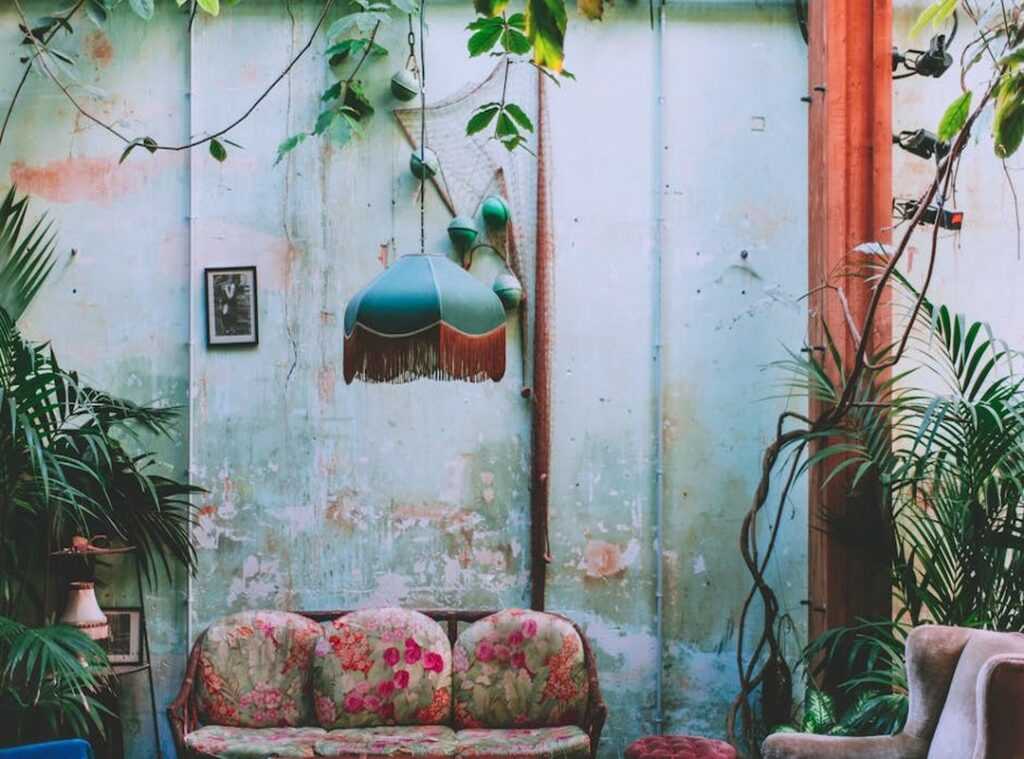

What will define the home of tomorrow? As styles evolve faster than ever, staying inspired without falling for short-lived fads can feel overwhelming. This guide to interior design trends 2026 breaks down the key aesthetics, materials, and philosophies set to shape the year ahead. Instead of spotlighting passing looks, we focus on the core principles driving meaningful design shifts—so you can create a space that feels both forward-thinking and timeless. By the end, you’ll have a clear understanding of the trends influencing modern homes and the confidence to make informed, lasting design decisions for your own space.
Sensory Architecture: Designing for Feeling, Not Just Looks
Sensory architecture asks a simple question: what if a room felt as good as it looked? Instead of focusing solely on visual impact, this approach engages sound, touch, and even smell to shape experience. Acoustic comfort—using sound-absorbing materials like cork, felt, and layered rugs—reduces echo and stress. Tactile diversity pairs rough-hewn wood with smooth metals or plush textiles, creating contrast your body can register instantly. Scent-scaping integrates diffusers or naturally aromatic materials like cedar to anchor memory.
Some critics argue that design should stay minimal and visual, claiming multisensory layers are indulgent or distracting. However, research shows chronic noise elevates cortisol levels (World Health Organization), and textured environments can improve perceived comfort. In a digitally saturated era, spaces must counterbalance screen fatigue, not amplify it.
Practically speaking, try lime wash paint for its soft, light-diffusing texture, choose a boucle chair beside a marble side table, and layer rugs to dampen sound. These moves align with interior design trends 2026, which prioritize wellness over spectacle.
Think less showroom, more sanctuary—like stepping into a spa rather than a scrolling feed (yes, your nervous system notices). Pro tip: test materials in natural light before committing.
The New Nostalgia: Reimagined Heirlooms and “Soft-Tech”
Minimalism had a good run. Clean lines, blank walls, and rooms that felt like art galleries (beautiful, but sometimes a little… cold). The New Nostalgia flips that script. It blends heirlooms—pieces passed down through generations—with discreet technology, or what designers now call “Soft-Tech.” Soft-Tech refers to modern devices intentionally designed to blend into traditional decor rather than stand out as gadgets.
Why This Shift Matters in 2026
Among emerging interior design trends 2026, this movement stands apart because it solves a real problem competitors rarely address: how to keep sentimental pieces without sacrificing a streamlined aesthetic.
Many argue that mixing antiques with smart devices creates visual chaos. They’re not wrong—without restraint, it can feel like your grandmother’s attic collided with a tech startup. But that’s where strategy comes in.
The 70/30 Rule is the anchor: 70% contemporary, clean-lined furniture; 30% character-rich vintage. That balance keeps a 1920s credenza from overwhelming a modern sectional.
Examples of Soft-Tech done right include smart speakers disguised as ceramic vases, digital art frames with antique-style borders, and charging stations built into reclaimed wood consoles. (Yes, your phone can charge inside a Victorian writing desk.)
Color also does heavy lifting. Warm earthy tones—terracotta, olive green, deep ochre—enhance the patina of aged wood and worn brass. This palette prevents contrast from becoming conflict.
Critics say nostalgia risks looking dated. The counterpoint? When technology disappears into craftsmanship, the space feels layered, not stuck in time. The result is a home that feels personal, intelligent, and quietly future-ready.
Bio-Synthetic Fusion: Nature Meets Innovation

Bio-Synthetic Fusion is, in many ways, the next chapter of biophilia—the design philosophy that brings nature indoors. However, instead of relying solely on raw wood and stone, it merges organic materials with engineered, sustainable innovations. Think mycelium (the root structure of mushrooms) shaped into sculptural lampshades or recycled plastic composites transformed into sleek countertops. It’s nature, reimagined through technology.
That said, not everyone is convinced. Some designers argue these materials feel “too experimental” or question their long-term durability. And honestly, the data is still evolving. While studies show mycelium-based products can be strong and compostable (Ecovative, 2023), widespread residential testing is ongoing. Still, early adopters are proving these pieces can be both resilient and refined.
Material Highlights
- Mycelium for lightweight, compostable lighting
- Recycled plastic composites for durable, low-waste surfaces
- 3D-printed wood filament for intricate, cellular furniture forms
Aesthetically, this trend mirrors organic patterns—cell structures, flowing curves, even bioluminescent-inspired lighting (very Avatar, but subtler). As interior design trends 2026 continue to prioritize sustainability, Bio-Synthetic Fusion makes eco-conscious choices feel luxurious rather than limiting.
And importantly, it’s practical. Pair sculptural pieces with efficient layouts inspired by smart layout ideas for small apartments to maximize both beauty and function. Sustainability, it turns out, can be stunning.
The Adaptable Blueprint: Modular and Multi-Functional Spaces
Homes today juggle multiple roles—office, gym, lounge, sometimes all before lunch. That’s why adaptability isn’t a luxury; it’s essential. The key concept here is zoning—dividing an open-plan space into purposeful areas without building permanent walls. Think modular shelving to subtly separate a desk from a sofa, movable partitions you can slide when guests arrive, and distinct lighting schemes that signal “work mode” versus “relax mode.”
For example, position a tall bookcase perpendicular to a wall to create a visual boundary for a workspace. Then layer in a focused task lamp on one side and a warm floor lamp on the other. Instantly, two moods—no drywall required.
Equally important, invest in transformable furniture. A lift-top coffee table that becomes a desk or a sofa with hidden storage and built-in outlets can shift your room’s function in seconds (yes, it feels a bit like a Transformer reveal).
As interior design trends 2026 continue favoring flexibility, try this: define your room’s main “modes,” then choose one piece that helps you transition between them seamlessly.
Shaping Your Personal Sanctuary for 2026 and Beyond
You set out to understand where home design is heading—and now you have a clear vision of the styles defining interior design trends 2026, from sensory architecture to bio-synthetic fusion. The real takeaway isn’t chasing what’s trendy; it’s creating a home that feels personal, responsive, and deeply connected to how you live every day.
If your space feels outdated, disconnected, or uninspiring, that discomfort won’t fix itself. Start small. Choose one room and apply one principle—layer in tactile textures or introduce a modular piece that adapts with you.
The future of your home starts with one intentional change. Begin today and transform your space into a sanctuary built for 2026 and beyond.
 Head of Interior Trends & Concepts
Wayne Lewisignest is the kind of writer who genuinely cannot publish something without checking it twice. Maybe three times. They came to hidden gems through years of hands-on work rather than theory, which means the things they writes about — Hidden Gems, Everyday Home Optimization Tips, Essential Living Concepts and Styles, among other areas — are things they has actually tested, questioned, and revised opinions on more than once.
That shows in the work. Wayne's pieces tend to go a level deeper than most. Not in a way that becomes unreadable, but in a way that makes you realize you'd been missing something important. They has a habit of finding the detail that everybody else glosses over and making it the center of the story — which sounds simple, but takes a rare combination of curiosity and patience to pull off consistently. The writing never feels rushed. It feels like someone who sat with the subject long enough to actually understand it.
Outside of specific topics, what Wayne cares about most is whether the reader walks away with something useful. Not impressed. Not entertained. Useful. That's a harder bar to clear than it sounds, and they clears it more often than not — which is why readers tend to remember Wayne's articles long after they've forgotten the headline.
Head of Interior Trends & Concepts
Wayne Lewisignest is the kind of writer who genuinely cannot publish something without checking it twice. Maybe three times. They came to hidden gems through years of hands-on work rather than theory, which means the things they writes about — Hidden Gems, Everyday Home Optimization Tips, Essential Living Concepts and Styles, among other areas — are things they has actually tested, questioned, and revised opinions on more than once.
That shows in the work. Wayne's pieces tend to go a level deeper than most. Not in a way that becomes unreadable, but in a way that makes you realize you'd been missing something important. They has a habit of finding the detail that everybody else glosses over and making it the center of the story — which sounds simple, but takes a rare combination of curiosity and patience to pull off consistently. The writing never feels rushed. It feels like someone who sat with the subject long enough to actually understand it.
Outside of specific topics, what Wayne cares about most is whether the reader walks away with something useful. Not impressed. Not entertained. Useful. That's a harder bar to clear than it sounds, and they clears it more often than not — which is why readers tend to remember Wayne's articles long after they've forgotten the headline.