If you’re searching for a clear, practical guide to scandinavian design basics, you’re likely looking to create a home that feels calm, functional, and effortlessly stylish—without unnecessary clutter or trends that fade fast. This article is designed to give you exactly that: a focused breakdown of the core principles, materials, color palettes, and layout strategies that define authentic Scandinavian interiors.
Instead of vague inspiration, you’ll find actionable guidance rooted in widely recognized Nordic design principles and insights drawn from leading interior designers and architectural studies. We’ll explore how simplicity, light, texture, and intentional living come together to shape spaces that are both beautiful and deeply livable.
Whether you’re refreshing a single room or rethinking your entire home, this guide will help you understand what truly matters in Scandinavian design—and how to apply it in a way that feels personal, practical, and timeless.
Creating a home that feels calm yet inviting starts with clarity. Scandinavian design is more than pale walls; it’s a philosophy rooted in function, light, and intention. If your space feels cold, you’re likely missing texture and purpose.
Focus on scandinavian design basics like:
- intentional furniture placement,
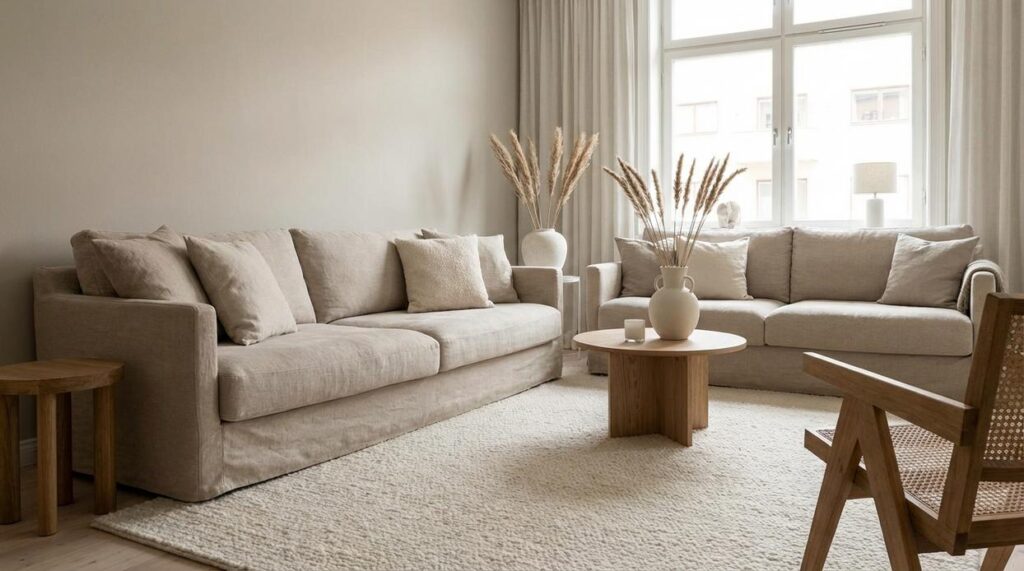
- layered natural textiles,
- maximizing daylight with sheer curtains.
Each choice should serve a need (yes, even that cozy throw blanket). Some argue minimalism feels stark, but warmth comes from wood tones and soft lighting. Pro tip: edit one room at a time to avoid overwhelm. Aim for spaces that breathe and work.
Functionality as the Foundation: Where Purpose Meets Beauty
“Does it serve a purpose?” a designer once asked during a client consult. When the homeowner hesitated, she smiled: “Then it doesn’t belong.” That exchange captures the heart of the form follows function rule. In Scandinavian interiors, beauty isn’t layered on like frosting—it’s baked in. Every chair, lamp, or table must earn its place through utility first.
In other words, aesthetics grow naturally from usefulness. A clean-lined oak dining table isn’t minimal for trend’s sake; it’s shaped for durability, comfort, and daily meals that linger. As architect Alvar Aalto famously said, “Beauty is the harmony of function and form.”
Consider multi-purpose living. Modular shelving adapts as your book collection grows. A coffee table with hidden storage keeps blankets tucked away (because real life includes clutter). Extendable dining tables shift effortlessly from quiet Tuesday dinners to lively holiday feasts. One homeowner put it simply: “If it can’t adapt, it can’t stay.”
Still, some argue that strict function feels cold. Yet decluttering with intent isn’t about emptiness—it’s about removing friction. Less scrambling for lost keys. Less visual noise after a long day. It’s the philosophy of “less, but better,” rooted in scandinavian design basics.
And ultimately, when purpose leads, beauty follows naturally.
A Deep Connection to Nature: Light, Wood, and Natural Elements
In regions where winter days feel fleeting, maximizing natural light isn’t a luxury—it’s survival (at least emotionally). First, skip heavy drapes and opt for sheer or no window treatments to let every ounce of daylight in. Next, position mirrors opposite windows to bounce sunlight deeper into the room. Painting walls in soft whites or pale neutrals further reflects light, making spaces feel expansive rather than cave-like. While some argue darker walls create coziness, they often absorb precious daylight. If brightness is limited for months, prioritize reflection over moodiness.
Equally important is your choice of materials. Light-toned woods like ash, beech, and pine are foundational in scandinavian design basics because they visually warm a space without overpowering it. Choose them for flooring, dining tables, or even ceiling beams. Their subtle grain connects interiors to the outdoors, especially when greenery is sparse. Although some prefer darker walnut for drama, lighter woods keep rooms feeling open and adaptable.
To prevent a neutral palette from feeling flat, layer organic textures. Consider:
- Wool throws for insulation and softness
- Linen curtains for breathable elegance
- Cotton upholstery for everyday durability
- Leather accents for depth and contrast
- Stone surfaces for grounding texture
Together, these materials add tactile warmth and visual interest. If you’re exploring how to blend traditional and contemporary styles, study how these elements balance simplicity with character. Ultimately, let light lead, wood anchor, and texture enrich your space.
The Art of the Neutral Palette: Crafting a Calm Atmosphere
Building a Serene Backdrop
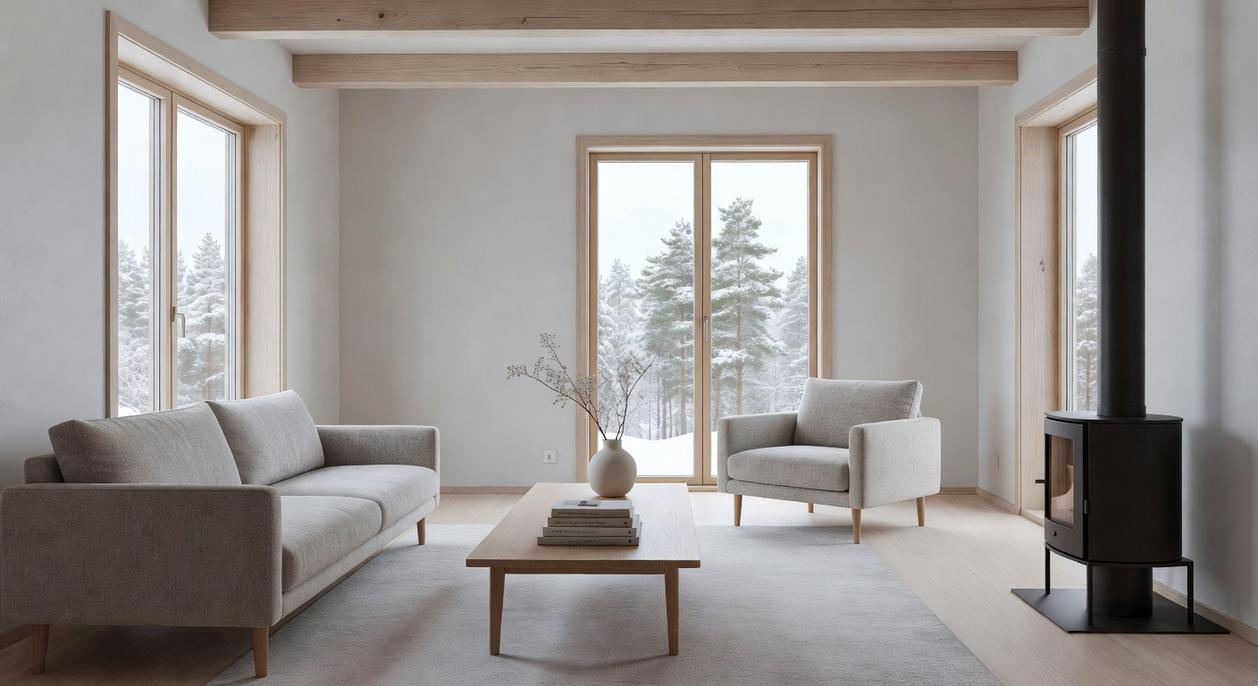
A neutral palette is more than “playing it safe.” It’s a strategic foundation built on shades of white, layered grays, and muted blues that reflect light and visually declutter a room. These hues bounce natural light across walls and ceilings, making even compact spaces feel open and breathable (a welcome antidote to visual chaos). Unlike trend-heavy color drenching, this approach prioritizes longevity. Research from color psychology studies suggests softer neutrals can lower stress levels and promote relaxation in interior environments (Küller et al., 2009). In other words, calm isn’t accidental—it’s engineered. This is where scandinavian design basics quietly outperform flashier styles: restraint creates resilience.
The Power of Contrast
Critics argue neutral rooms feel flat or impersonal. The counterpoint? Contrast. Black accents—think slim lighting fixtures, picture frames, or chair legs—act as graphic punctuation. They define sightlines and anchor airy palettes without overpowering them. It’s contrast, not color, that prevents boredom.
Injecting Color Thoughtfully
Color works best as a guest, not a resident. A rust-toned throw, a single bold canvas, or leafy house plants introduce warmth and life. Competitors often overlook this nuance: intentional scarcity makes each hue feel curated, not cluttered.
The Philosophy of Living Well: Understanding “Hygge” and “Lagom”
Hygge (pronounced “hoo-gah”) is the Danish art of cultivated coziness—an intentional embrace of warmth, safety, and presence. It’s not just candles and chunky knits (though yes, those help). It’s designing small rituals into your space: a reading nook with layered textiles, warm lighting at 2700K, and natural wood textures rooted in scandinavian design basics. Studies from the Happiness Research Institute suggest environments with soft lighting and tactile comfort increase perceived well-being (HRI, 2022). Pro tip: dimmable lamps instantly shift a room from functional to restorative.
Lagom, Swedish for “just the right amount,” counters both clutter and cold minimalism. Think balanced shelving, breathable negative space, and furniture scaled to the room—not oversized statements.
Some argue these trends romanticize simplicity. But combined, Hygge softens while Lagom edits. The result? A sanctuary that feels intentional, livable, and deeply human (like your home exhaling after a long day). Learn more at https://example.com.
Creating Your Own Scandinavian-Inspired Sanctuary
Start by revisiting the core of scandinavian design basics: function first, natural materials, abundant light, and a muted palette grounded in comfort. In colder climates like Minnesota or coastal Maine, where winter daylight is precious, designers obsess over window placement and layered lighting (yes, that many lamps are intentional). Still, some argue this style feels too minimal or stark. Fair—but when you balance oak textures, wool throws, and lived-in ceramics, the result is warmth, not austerity.
Ultimately, it’s about intentional choices. Begin small: clear one countertop, add a wool blanket, or introduce a snake plant.
Bring Calm, Purposeful Style Into Your Home
You came here looking for clarity on how to create a space that feels calm, functional, and beautifully balanced—and now you have the core principles to make it happen. By applying scandinavian design basics, you can strip away the clutter, highlight what truly matters, and build a home that supports your everyday life instead of overwhelming it.
The real frustration isn’t just messy rooms or mismatched décor—it’s feeling unsettled in your own space. Clean lines, natural textures, soft light, and intentional simplicity solve that by turning your home into a place of comfort and purpose.
Now it’s time to act. Start with one room. Declutter ruthlessly. Add layered lighting. Choose quality over quantity. If you want more expert-backed inspiration, trend insights, and practical design techniques trusted by thousands of modern homeowners, explore our latest guides and start transforming your space today.
 Founder & Creative Director
Kylor Dornhaven is the kind of writer who genuinely cannot publish something without checking it twice. Maybe three times. They came to home inspiration headlines through years of hands-on work rather than theory, which means the things they writes about — Home Inspiration Headlines, Interior Trends and Layout Ideas, Essential Living Concepts and Styles, among other areas — are things they has actually tested, questioned, and revised opinions on more than once.
That shows in the work. Kylor's pieces tend to go a level deeper than most. Not in a way that becomes unreadable, but in a way that makes you realize you'd been missing something important. They has a habit of finding the detail that everybody else glosses over and making it the center of the story — which sounds simple, but takes a rare combination of curiosity and patience to pull off consistently. The writing never feels rushed. It feels like someone who sat with the subject long enough to actually understand it.
Outside of specific topics, what Kylor cares about most is whether the reader walks away with something useful. Not impressed. Not entertained. Useful. That's a harder bar to clear than it sounds, and they clears it more often than not — which is why readers tend to remember Kylor's articles long after they've forgotten the headline.
Founder & Creative Director
Kylor Dornhaven is the kind of writer who genuinely cannot publish something without checking it twice. Maybe three times. They came to home inspiration headlines through years of hands-on work rather than theory, which means the things they writes about — Home Inspiration Headlines, Interior Trends and Layout Ideas, Essential Living Concepts and Styles, among other areas — are things they has actually tested, questioned, and revised opinions on more than once.
That shows in the work. Kylor's pieces tend to go a level deeper than most. Not in a way that becomes unreadable, but in a way that makes you realize you'd been missing something important. They has a habit of finding the detail that everybody else glosses over and making it the center of the story — which sounds simple, but takes a rare combination of curiosity and patience to pull off consistently. The writing never feels rushed. It feels like someone who sat with the subject long enough to actually understand it.
Outside of specific topics, what Kylor cares about most is whether the reader walks away with something useful. Not impressed. Not entertained. Useful. That's a harder bar to clear than it sounds, and they clears it more often than not — which is why readers tend to remember Kylor's articles long after they've forgotten the headline.