
Trends come and go, but a beautifully designed home should feel relevant and refined for decades. If you’re tired of chasing fleeting fads that quickly look dated, this guide offers a smarter approach. We’ll explore the core principles behind timeless interior styles, from balanced layouts and neutral foundations to quality materials that age gracefully. By focusing on enduring design elements rather than short-lived trends, you can create a space that feels elegant today and remains inviting for years to come. Consider this your clear blueprint to building a sophisticated home that truly transcends time.
The Foundation: A Sophisticated and Versatile Color Palette
A well-designed room begins with neutrals that work harder than they look. Soft whites, warm creams, layered grays, and earthy beiges create a backdrop that reflects light and instantly calms the eye. Designers consistently favor these hues because they adapt to changing decor and natural light conditions (Architectural Digest frequently highlights neutral palettes for longevity). If you’re unsure where to start, choose a warm white for walls and build outward—it’s the design equivalent of a perfectly tailored blazer.
Some argue neutrals feel boring. The truth? Flat color feels boring. Depth comes from variation. Pair a linen sofa with a plaster-finish wall. Layer a wool rug over light oak floors. Mix matte and subtle sheen within the same shade family. Texture is the secret weapon that keeps timeless interior styles from feeling one-note.
For personality, introduce classic accent colors thoughtfully:
- Deep navy in throw pillows
- Forest green through a velvet chair
- Charcoal in framed art
- Rich burgundy in a single ottoman
Use accents sparingly; one strong statement often outperforms five competing ones (think less maximalist drama, more quiet confidence). Choose pieces you can move or swap as tastes evolve.
Architectural Bones: The Importance of Millwork and Detail
From the understated elegance of Scandinavian minimalism to the classic charm of mid-century modern pieces, exploring timeless interior styles that never go out of fashion can transform any space, much like the inspiring designs featured in our article on Livpristhouse.
When people talk about a home having “good bones,” they’re usually pointing to millwork—decorative woodwork like crown molding (trim where walls meet the ceiling), baseboards, wainscoting, and coffered ceilings. These elements create depth and permanence. Compare a plain drywall box (A) to a room wrapped in detailed trim (B): same square footage, entirely different presence. One feels temporary; the other feels rooted in history.
However, proportion is key. In an eight-foot room, oversized crown molding can feel theatrical (and not in a good way). Conversely, skimpy trim in a ten-foot space looks unfinished. As a rule of thumb, taller ceilings call for taller baseboards and more substantial profiles.
Even in modern homes, restraint wins. Clean-lined casing or built-in shelving adds structure without fuss. Minimal trim (A) versus no trim (B) is the difference between intentional and incomplete. Ultimately, these architectural details anchor timeless interior styles—quietly elevating everything around them.
Flooring That Lasts: Beauty That Gets Better With Time
Choosing natural flooring isn’t just a design decision—it’s a long-term investment in character. Solid hardwoods like oak and walnut don’t wear out; they wear in. Over time, they develop a patina (a soft sheen that forms through age and use) that tells the story of your home. Natural stone such as travertine, marble, and slate does the same, gaining depth rather than looking dated. The benefit? Fewer replacements, stronger resale appeal, and a foundation that complements timeless interior styles without chasing trends.
Textiles and Upholstery: Comfort That Endures
Natural fibers—linen, wool, cotton, and leather—offer durability synthetics struggle to match. Wool resists stains naturally (thanks to its lanolin content, Woolmark), while leather softens and gains richness over time. That means fewer fabric swaps and more everyday comfort. Pro tip: Choose removable linen covers for high-traffic seating to extend longevity.
Hard Surfaces with Heritage
Marble, soapstone, and granite countertops deliver substance and cool resilience, while solid brass or polished nickel hardware develops a lived-in glow instead of peeling. The payoff is tangible: quality you can feel, fewer upgrades, and a home aligned with essential living concepts that create a balanced home environment (National Association of Home Builders notes durability ranks among top buyer priorities).
Furniture with Form: Embracing Enduring Silhouettes
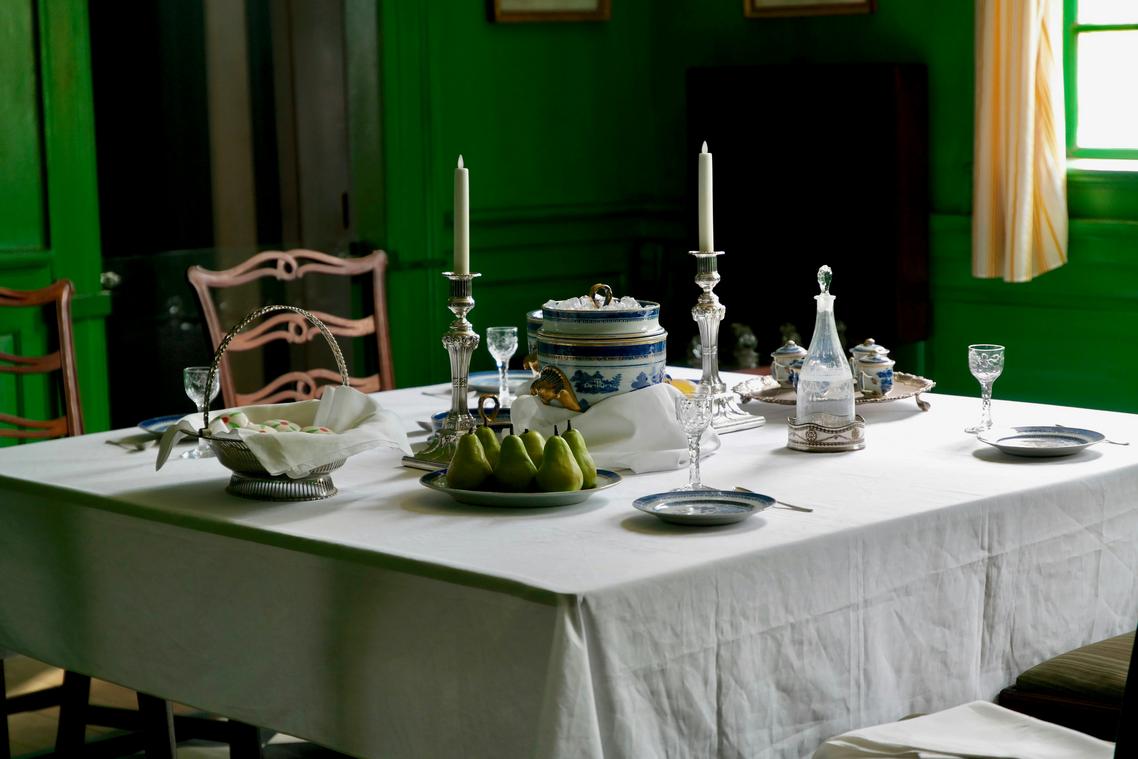
Ever notice how some rooms look dated before you’ve even sat down? Trends cycle fast, and it’s exhausting trying to keep up. That’s why recognizable shapes matter. The Chesterfield sofa—with its deep button tufting and rolled arms—has anchored living rooms for centuries. The wingback chair, originally designed to shield sitters from fireplace drafts, still delivers cozy authority. Pedestal tables eliminate awkward leg clutter (no more knee bruises), and streamlined casegoods—storage pieces like dressers and cabinets—bring structure without fuss.
Just as importantly, symmetry creates calm. When you mirror sofas, lamps, or artwork across a central axis, the room feels balanced and intentional. Symmetry, in design terms, means equal visual weight on either side of a focal point. It’s why hotel lobbies feel composed instead of chaotic. Of course, some argue symmetry is boring. But in reality, it’s a framework—like a well-tailored blazer—that lets other elements shine.
Then there’s mixing and matching. A pedestal dining table can pair beautifully with mid-century chairs if scale and color align. The trick is consistency: repeat finishes, echo shapes, and stick to a cohesive palette. That’s how you avoid the dreaded showroom feel and instead create layered, timeless interior styles that feel collected—not copied.
Your Blueprint for an Enduringly Beautiful Home
You set out to learn how to create a home that feels beautiful not just today, but for years to come. Now you have the clarity to separate passing fads from design choices that truly last.
The secret behind timeless interior styles isn’t chasing trends—it’s choosing quality materials, balanced proportions, and classic forms that age with grace. When you focus on craftsmanship and thoughtful composition, your space feels intentional instead of temporary.
Start small. Walk into one room and assess it with fresh eyes. Could you introduce a classic, versatile color? Add a natural textile like linen or wool? Place a symmetrical pair of lamps to create balance? One deliberate upgrade can shift the entire feel of a space.
If you’re tired of redesigning every few years and want a home that always feels refined, now is the time to act. Explore more expert-backed design insights and start transforming your space today.
 Home Optimization Specialist & Content Strategist
Ask Patricia Pickardaycare how they got into essential living concepts and styles and you'll probably get a longer answer than you expected. The short version: Patricia started doing it, got genuinely hooked, and at some point realized they had accumulated enough hard-won knowledge that it would be a waste not to share it. So they started writing.
What makes Patricia worth reading is that they skips the obvious stuff. Nobody needs another surface-level take on Essential Living Concepts and Styles, Prize-Worthy Room Design Techniques, Home Inspiration Headlines. What readers actually want is the nuance — the part that only becomes clear after you've made a few mistakes and figured out why. That's the territory Patricia operates in. The writing is direct, occasionally blunt, and always built around what's actually true rather than what sounds good in an article. They has little patience for filler, which means they's pieces tend to be denser with real information than the average post on the same subject.
Patricia doesn't write to impress anyone. They writes because they has things to say that they genuinely thinks people should hear. That motivation — basic as it sounds — produces something noticeably different from content written for clicks or word count. Readers pick up on it. The comments on Patricia's work tend to reflect that.
Home Optimization Specialist & Content Strategist
Ask Patricia Pickardaycare how they got into essential living concepts and styles and you'll probably get a longer answer than you expected. The short version: Patricia started doing it, got genuinely hooked, and at some point realized they had accumulated enough hard-won knowledge that it would be a waste not to share it. So they started writing.
What makes Patricia worth reading is that they skips the obvious stuff. Nobody needs another surface-level take on Essential Living Concepts and Styles, Prize-Worthy Room Design Techniques, Home Inspiration Headlines. What readers actually want is the nuance — the part that only becomes clear after you've made a few mistakes and figured out why. That's the territory Patricia operates in. The writing is direct, occasionally blunt, and always built around what's actually true rather than what sounds good in an article. They has little patience for filler, which means they's pieces tend to be denser with real information than the average post on the same subject.
Patricia doesn't write to impress anyone. They writes because they has things to say that they genuinely thinks people should hear. That motivation — basic as it sounds — produces something noticeably different from content written for clicks or word count. Readers pick up on it. The comments on Patricia's work tend to reflect that.