
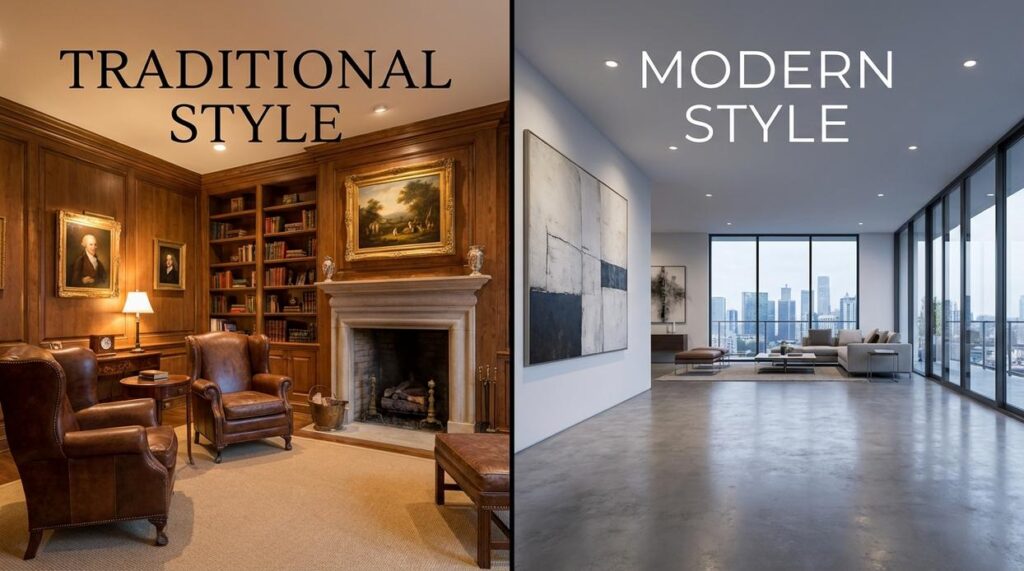
If you’ve been searching for clarity on minimalist vs maximalist decor, you’re likely trying to decide which style truly fits your home—and your lifestyle. With endless inspiration online, it’s easy to feel inspired yet unsure how to translate bold ideas or clean simplicity into a space that actually works for you.
This article breaks down the defining principles, benefits, and challenges of both aesthetics, helping you understand not just how they look, but how they function in real homes. We’ll explore essential living concepts, practical design techniques, and everyday optimization tips so you can create a space that feels intentional rather than overwhelming.
Our insights are grounded in current interior trends, professional design practices, and real-world applications that prioritize both beauty and livability. Whether you crave serene simplicity or expressive abundance, you’ll walk away with clear, actionable guidance to confidently shape a home that reflects your personality and enhances your daily life.
The Art of “Less”: Deconstructing the Minimalist Philosophy
Minimalism is often mistaken for deprivation. It isn’t. At its core, it’s about intentionality over scarcity—choosing what earns a place in your home rather than letting clutter decide for you. Intentionality means every object serves a purpose or brings genuine value (yes, even that vintage record player). It’s less about owning nothing and more about ensuring everything has meaning.
Foundational elements tend to repeat: monochromatic or limited color palettes, clean lines, uncluttered surfaces, abundant natural light, and high-quality, functional pieces. Think of furniture that works hard and looks effortless. In the ongoing debate of minimalist vs maximalist decor, some argue minimalism feels cold or impersonal. That can be true—if it’s done without warmth. I’ll admit, the balance isn’t always obvious. But layering texture—linen, wood, stone—often softens the edges.
The emotional impact is where minimalism shines. Calm. Clarity. A quiet sense of order. A sanctuary from digital noise and visual chaos (your brain will thank you).
Less, but better.
If you’re unsure where to start, try the “One In, One Out” rule: for every new item, remove one. It’s simple, sustainable, and surprisingly freeing.
For broader context, explore 10 home inspiration headlines that are redefining modern living.
The Joy of “More”: Understanding the Maximalist Spirit
Maximalism is the art of turning up the volume—intentionally. At its core, it’s a curated celebration of abundance. Think of it like composing a symphony instead of playing a single note. Each object, color, and pattern adds another instrument, building a rich, personal narrative that feels unmistakably yours.
Where minimalist vs maximalist decor feels like a whisper versus a lively dinner party, maximalism embraces the party. Bold jewel tones, layered patterns, eclectic collections, and tactile contrasts—velvet against metal, wood beside glass—create visual rhythm. The space hums with energy, yet it isn’t chaos. It’s organized clutter, like a well-loved library where every book has meaning (even if the stacks are delightfully high).
Signature traits often include:
- Saturated, confident color palettes
- Layered rugs, art, and textiles
- Collected treasures from different eras
- Playful pattern mixing that somehow works
Critics argue maximalism feels overwhelming. And yes, without intention it can tip into visual noise. But when curated thoughtfully, it’s cozy, inspiring, and endlessly conversational—like walking into someone’s autobiography.
Pro tip: Start with a gallery wall. It’s a contained canvas for layering frames, art, and memories—your first chorus in a home that sings.
Style Showdown: A Side-by-Side Comparison

I once repainted my living room twice in one month. First, I chased the calm of minimalist vs maximalist decor, coating the walls in soft white and swapping everything for beige and pale oak. It felt like a deep exhale. Then I visited a friend whose emerald walls and velvet sofa made my space seem half-awake (in a polite way). That whiplash perfectly captures this debate.
Color Palette
- Minimalism leans on neutral, airy tones—whites, grays, and beiges—to create visual quiet. Negative space (the empty areas around objects) becomes part of the design.
- Maximalism embraces saturated hues, jewel tones, and unapologetic pattern. Think sapphire blues, ruby reds, and wallpaper that refuses to whisper.
Some argue bold color overwhelms a room. Yet research in environmental psychology suggests color can significantly influence mood and energy levels (Elliot & Maier, 2014). Sometimes “too much” is exactly the point.
Furniture & Form
- Minimalist furniture favors simple silhouettes, multi-functional pieces, and natural materials like wood or linen.
- Maximalist rooms showcase ornate details, mixed historical styles, and statement pieces that spark conversation.
Is a sculptural velvet chair indulgent or expressive?
Approach to Objects
- Minimalists edit—keeping essentials and removing visual noise.
- Maximalists collect—layering art, books, and meaningful treasures (curated clutter, if you will).
Texture & Pattern
- Minimalism uses subtle texture—woven rugs, matte ceramics—for warmth.
- Maximalism layers contrasting patterns for dynamic depth.
Pro tip: Start with one bold element before committing to a full-room transformation.
Which Camp Are You In? A Self-Assessment for Your Home
Most style quizzes skim the surface. Let’s go deeper.
The Closet Test. Open your wardrobe. Is it a tight edit of neutral staples that mix effortlessly? Or a lively rotation of bold prints and statement pieces? Your closet often mirrors your home more honestly than your mood board ever will. This is the real minimalist vs maximalist decor tell.
The Souvenir Question. When you travel, do you hunt for one perfect ceramic bowl—or return with spices, textiles, postcards, and stories layered in every corner? One signals restraint; the other, narrative-rich layering.
Your Reaction to Clutter. Does a clear countertop feel like exhaling? That’s visual quiet—a low-stimulation environment that reduces cognitive load. Or does a blank wall feel sterile? You may crave visual energy—intentional abundance that sparks creativity.
- If you’re torn, consider a hybrid.
- Warm minimalism softens clean lines with texture.
- Edited maximalism celebrates boldness—with boundaries.
(Pro tip: Photograph your living room. Your instinctive reaction reveals more than any quiz.)
Bring Your Space to Life
You came here to finally make sense of minimalist vs maximalist decor—and now you have the clarity to choose what truly fits your lifestyle, taste, and space. Instead of feeling overwhelmed by trends, you can confidently decide whether you crave clean simplicity, bold personality, or a thoughtful blend of both.
The real frustration was not knowing how to bring your vision together without wasting time or money. Now, you understand the principles, the balance, and the practical ways to design with intention.
The next step? Start with one room. Define your color story, edit or layer intentionally, and commit to a cohesive direction. If you want expert-backed inspiration, trend insights, and practical styling guidance trusted by thousands of design-savvy homeowners, explore our latest resources and design tips today.
Your home should reflect you beautifully—start creating a space that feels complete, cohesive, and undeniably yours.
 Head of Interior Trends & Concepts
Wayne Lewisignest is the kind of writer who genuinely cannot publish something without checking it twice. Maybe three times. They came to hidden gems through years of hands-on work rather than theory, which means the things they writes about — Hidden Gems, Everyday Home Optimization Tips, Essential Living Concepts and Styles, among other areas — are things they has actually tested, questioned, and revised opinions on more than once.
That shows in the work. Wayne's pieces tend to go a level deeper than most. Not in a way that becomes unreadable, but in a way that makes you realize you'd been missing something important. They has a habit of finding the detail that everybody else glosses over and making it the center of the story — which sounds simple, but takes a rare combination of curiosity and patience to pull off consistently. The writing never feels rushed. It feels like someone who sat with the subject long enough to actually understand it.
Outside of specific topics, what Wayne cares about most is whether the reader walks away with something useful. Not impressed. Not entertained. Useful. That's a harder bar to clear than it sounds, and they clears it more often than not — which is why readers tend to remember Wayne's articles long after they've forgotten the headline.
Head of Interior Trends & Concepts
Wayne Lewisignest is the kind of writer who genuinely cannot publish something without checking it twice. Maybe three times. They came to hidden gems through years of hands-on work rather than theory, which means the things they writes about — Hidden Gems, Everyday Home Optimization Tips, Essential Living Concepts and Styles, among other areas — are things they has actually tested, questioned, and revised opinions on more than once.
That shows in the work. Wayne's pieces tend to go a level deeper than most. Not in a way that becomes unreadable, but in a way that makes you realize you'd been missing something important. They has a habit of finding the detail that everybody else glosses over and making it the center of the story — which sounds simple, but takes a rare combination of curiosity and patience to pull off consistently. The writing never feels rushed. It feels like someone who sat with the subject long enough to actually understand it.
Outside of specific topics, what Wayne cares about most is whether the reader walks away with something useful. Not impressed. Not entertained. Useful. That's a harder bar to clear than it sounds, and they clears it more often than not — which is why readers tend to remember Wayne's articles long after they've forgotten the headline.