

If you’re searching for smart ways to make the most of every square foot, you’re in the right place. This guide is built for readers who want practical, stylish, and realistic solutions—not just inspiration, but ideas you can actually use. Whether you’re furnishing a compact apartment, refreshing a studio, or optimizing a tight corner in a larger home, these small space design ideas focus on functionality without sacrificing personality.
We’ve analyzed emerging interior trends, studied award-worthy layouts, and drawn from proven space-optimization techniques to ensure every recommendation is both beautiful and practical. The goal is simple: help you create a home that feels open, organized, and thoughtfully designed, no matter its size.
Inside, you’ll discover clever layout strategies, multi-functional furniture concepts, and visual design techniques that make small spaces feel expansive. If you want your home to work smarter and look better, this article will show you exactly how to do it.
The Art of the Edit: Unlocking Your Small Space’s Potential
Small homes demand sharper choices, not smaller dreams. In other words, editing beats cramming. Consider sofa A: a bulky, overstuffed sectional. Sofa B: a streamlined, raised-leg loveseat. The first dominates; the second invites light to flow underneath, creating breathing room. Likewise, open shelving vs. closed cabinetry: display everything and risk clutter, or conceal essentials for calm. Some argue more storage solves tight quarters, yet too many containers simply hide excess. Instead, apply small space design ideas that prioritize multifunctional pieces, mirrors for depth, and walkways. Ultimately, intention turns limits luxurious.
Think like a designer and your home starts working for you, not against you. First, embrace the “Zone” Method—mentally divide one room into clear functions like work, relax, and dine. A rug anchors the living area, a pendant light signals the dining spot, and a slim desk by the window defines productivity. Open layouts feel bigger when each area has a job (yes, even your favorite reading chair).
Measure Twice, Buy Once
Before buying anything, create a to-scale floor plan. This means drawing your room with accurate measurements so furniture fits proportionally. It prevents the most common mistake: oversized pieces that swallow square footage. Some argue you can “eyeball it.” In reality, that’s how returns—and regrets—happen.
Next, practice the Essentialist Edit. Keep items that are beautiful, functional, or both. Remove the rest. This isn’t tidying; it’s curating. As small space design ideas evolve, I predict multifunctional furniture will dominate the next decade—think modular sofas and expandable tables. Smart spaces reward intentional choices.
The Power of the Chameleon: Multi-Functional Furniture
Small homes demand big imagination. Enter multi-functional furniture—pieces designed to serve more than one purpose without sacrificing style. A classic example is the coffee table that lifts into a work desk (yes, your living room can moonlight as a corner office). According to a 2023 Houzz survey, 58% of homeowners renovating small spaces prioritized furniture with built-in storage, proving this isn’t just a trend—it’s a necessity.
Beyond the sofa bed, modern designs feel seamless, not clunky. Think:
- Ottomans with hidden storage for blankets or board games
- Expandable dining tables that tuck neatly against a wall
- Lift-top coffee tables that transform into ergonomic workstations
Skeptics argue convertible furniture wears out faster. That can be true—if you choose poorly made pieces. However, high-quality hardware and solid wood frames significantly extend lifespan (Consumer Reports notes durability increases with kiln-dried hardwood construction). Investing in a Murphy bed with integrated shelving or a fold-down desk isn’t gimmicky; it’s strategic.
Then there’s the quiet brilliance of nesting and stacking. Nesting tables slide out when guests arrive. Stackable chairs store vertically. Modular shelving adapts as your needs evolve. These are small space design ideas that maximize every square inch without visual clutter.
Pro Tip: Choose furniture with visible legs. Elevating pieces exposes more floor area, creating an airy illusion designers frequently use in compact interiors.
For more sustainable strategies, explore sustainable home inspiration eco ideas making headlines. Because smart design isn’t about cramming more in—it’s about making space work harder (and smarter).
Creating Space with Light and Illusion
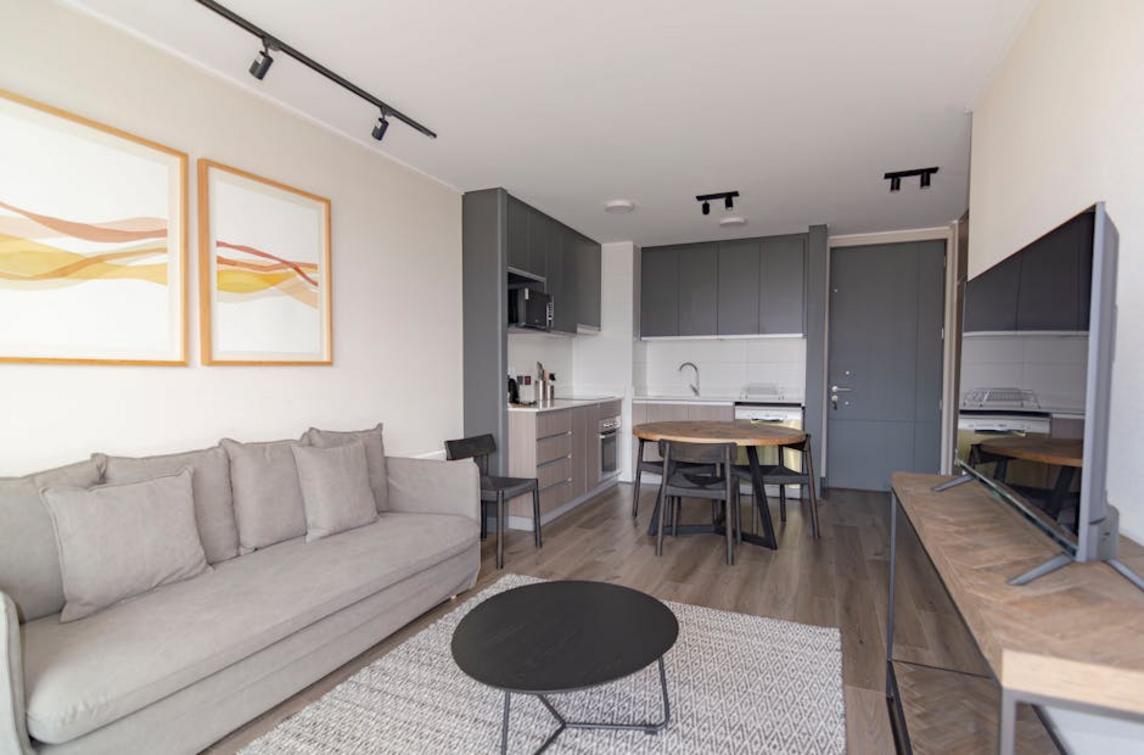
Small rooms don’t have to feel small. With a few strategic adjustments, you can visually expand your space without knocking down a single wall (no renovation budget required).
1. The Strategic Mirror
Place a large mirror directly opposite a window. This classic technique reflects incoming daylight back into the room, effectively doubling the natural light and creating the illusion of depth. Designers have relied on this trick for centuries—think of the Hall of Mirrors at Versailles as the dramatic, over-the-top example. Some argue mirrors can feel cliché or overly decorative. But when you choose a simple frame and scale it generously, the effect feels intentional, not gimmicky.
2. A Cohesive Color Palette
Light neutrals—whites, soft grays, pale beiges—are the gold standard for compact interiors. A monochromatic palette (variations of one color) minimizes visual breaks, making walls appear to recede. Critics sometimes say all-white rooms feel sterile. The fix? Layer textures like linen, wool, or matte finishes to add warmth without sacrificing openness.
3. Layered Lighting
Relying on a single overhead fixture creates shadows that shrink a room. Instead:
- Install ambient lighting (ceiling fixtures).
- Add task lighting (reading or desk lamps).
- Incorporate accent lighting (wall sconces or LED strips).
This layered approach eliminates dark corners and adds dimension—one of the most practical small space design ideas you can implement immediately.
4. The Magic of Sheer Curtains
Heavy drapes block precious daylight. Swap them for sheer or light-filtering curtains to maintain privacy while maximizing brightness. Pro tip: hang curtains slightly higher and wider than the window frame to make ceilings feel taller.
Light, cohesion, and illusion—used thoughtfully—can transform even the tightest footprint into something airy and expansive.
Beyond the Closet: Prize-Worthy Storage Solutions
Go Vertical
First, look up. The most underused real estate in your home isn’t behind a door—it’s above your head. Floor-to-ceiling bookshelves, tall narrow cabinets, and wall-mounted shelving pull the eye upward and free precious floor space. Designers call this vertical zoning (organizing by height instead of footprint). It’s one of those small space design ideas that feels obvious—yet most of us stop at eye level. Think Monica’s apartment in Friends: high shelves, smart stacking, controlled chaos.
Hidden in Plain Sight
Next, embrace stealth storage. Bed frames with built-in drawers, hollow benches, and decorative boxes on open shelves reduce visual clutter—the mental stress caused by too many visible items (UCLA Center on Everyday Lives of Families). It’s storage that doesn’t scream “storage.”
The ‘One In, One Out’ Rule
Finally, adopt the ‘One In, One Out’ rule. For every new item, one leaves. Some argue it’s restrictive—but really, it’s preventive maintenance for your home (like deleting old selfies before your phone revolts). Pro tip: pair this habit with seasonal decluttering for lasting results.
Your next step starts with clarity. You already have the tools—now it’s about using them wisely. Instead of seeing limits, view your home as a creative puzzle waiting to be solved. After all, constraint often fuels better design. By layering multi-functional furniture, strategic lighting, and vertical storage, you build flow and function. Try one focused action:
• Hang a mirror opposite a window to double light
• Clear one clutter zone completely
• Swap bulky pieces for lift-top or nesting options
These small space design ideas compound quickly. Start with a single room, measure progress, and adjust as needed. Done.
Make Every Square Foot Work Smarter
You started this guide looking for practical ways to make your space feel bigger, calmer, and more functional. Now you have the strategies to do exactly that.
From layout flow to storage solutions and lighting tricks, these small space design ideas are designed to solve the frustration of cluttered rooms, wasted corners, and spaces that just don’t feel right. When every inch has a purpose, your home stops feeling cramped and starts feeling intentional.
The key is action. Choose one room. Apply one change today—whether it’s vertical storage, multi-functional furniture, or simplifying your color palette. Small shifts create noticeable results.
If you’re tired of battling tight spaces and want proven inspiration that actually works, explore more of our top-rated design guides and practical tips trusted by thousands of home enthusiasts. Start transforming your space today—your smarter, more spacious home is one decision away.
 Founder & Creative Director
Kylor Dornhaven is the kind of writer who genuinely cannot publish something without checking it twice. Maybe three times. They came to home inspiration headlines through years of hands-on work rather than theory, which means the things they writes about — Home Inspiration Headlines, Interior Trends and Layout Ideas, Essential Living Concepts and Styles, among other areas — are things they has actually tested, questioned, and revised opinions on more than once.
That shows in the work. Kylor's pieces tend to go a level deeper than most. Not in a way that becomes unreadable, but in a way that makes you realize you'd been missing something important. They has a habit of finding the detail that everybody else glosses over and making it the center of the story — which sounds simple, but takes a rare combination of curiosity and patience to pull off consistently. The writing never feels rushed. It feels like someone who sat with the subject long enough to actually understand it.
Outside of specific topics, what Kylor cares about most is whether the reader walks away with something useful. Not impressed. Not entertained. Useful. That's a harder bar to clear than it sounds, and they clears it more often than not — which is why readers tend to remember Kylor's articles long after they've forgotten the headline.
Founder & Creative Director
Kylor Dornhaven is the kind of writer who genuinely cannot publish something without checking it twice. Maybe three times. They came to home inspiration headlines through years of hands-on work rather than theory, which means the things they writes about — Home Inspiration Headlines, Interior Trends and Layout Ideas, Essential Living Concepts and Styles, among other areas — are things they has actually tested, questioned, and revised opinions on more than once.
That shows in the work. Kylor's pieces tend to go a level deeper than most. Not in a way that becomes unreadable, but in a way that makes you realize you'd been missing something important. They has a habit of finding the detail that everybody else glosses over and making it the center of the story — which sounds simple, but takes a rare combination of curiosity and patience to pull off consistently. The writing never feels rushed. It feels like someone who sat with the subject long enough to actually understand it.
Outside of specific topics, what Kylor cares about most is whether the reader walks away with something useful. Not impressed. Not entertained. Useful. That's a harder bar to clear than it sounds, and they clears it more often than not — which is why readers tend to remember Kylor's articles long after they've forgotten the headline.