

If you’re searching for fresh ideas to transform your space, this guide to modern home inspiration is designed with you in mind. Today’s homeowners want more than beautiful rooms—they want functional layouts, timeless details, and smart design choices that elevate everyday living. This article explores the latest interior trends, essential living concepts, and prize-worthy techniques that help you create a home that feels both stylish and practical.
We break down what’s actually working in real homes right now—from optimized layouts and statement finishes to subtle upgrades that make a lasting impact. Whether you’re refreshing a single room or reimagining your entire space, you’ll find actionable insights tailored to today’s design standards.
Our content draws from in-depth trend research, design analysis, and proven styling principles to ensure you’re getting reliable, up-to-date guidance. By the end, you’ll have clear, inspiring ideas you can confidently apply to create a space that truly feels like home.
Creating a contemporary sanctuary shouldn’t mean sacrificing soul. When you blend clean lines with comfort, you gain clarity, calm, and a space that works as hard as you do. Here’s how:
- Choose a warm neutral palette—think oat, clay, and soft gray—to prevent that gallery-cold feel.
- Layer lighting (ambient, task, accent) to boost mood and functionality.
- Mix textures—linen, wood, boucle—to add depth without clutter.
- Showcase personal pieces that spark conversation (yes, even that quirky thrift find).
Design with intention, live with ease. Follow these principles and modern home inspiration becomes livable, not just Instagram-worthy for lasting comfort and everyday joy inside.
The Foundation: Mastering the Art of the Neutral Palette
I once helped a friend redo her living room after she declared beige “boring.” Two paint swatches later, she realized the problem wasn’t beige—it was flat design. Contemporary neutrals go far beyond beige: think warm whites, layered greys, mushroom, clay, and soft taupe. These shades create a calm, uncluttered backdrop that lets everything else breathe (and makes daily mess look oddly intentional).
The Power of Texture
A neutral room without texture can feel sterile—like a showroom nobody actually lives in. The fix is layering:
- A boucle sofa for nubby softness
- Linen curtains that filter light
- A jute rug grounding the floor
- A smooth metal or glass table for contrast
Texture adds depth, warmth, and subtle shadow play. Designers often note that tactile variation increases perceived coziness, even in minimalist spaces (Architectural Digest frequently highlights this principle). Pro tip: mix at least three distinct textures per room to avoid visual monotony.
Strategic Accent Colors
Some argue neutrals are too safe. I disagree. The magic is restraint. Choose one focal pop—a bold artwork, two cushions, or a sculptural vase. That single accent anchors the palette while keeping cohesion intact. Ask yourself: does this color repeat anywhere else subtly?
That’s the secret behind modern home inspiration that feels sophisticated, not staged.
Form Meets Function: Selecting Furniture with Clean Lines and Purpose
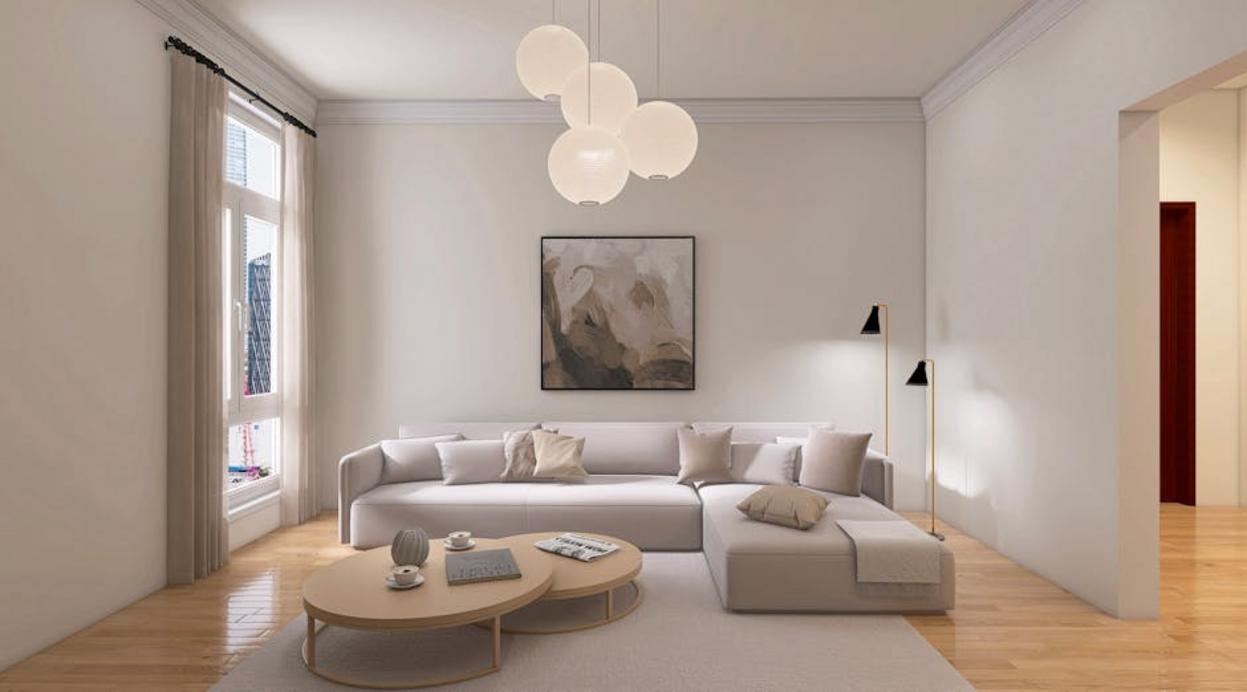
Contemporary interiors thrive on restraint. The rule of simplicity—choosing furniture with strong, clean lines and minimal ornamentation—does more than please the eye. In fact, a 2022 Houzz survey found that 63% of homeowners renovating their spaces prioritized clean-lined, minimalist furniture for its “timeless appeal” (Houzz, 2022). Clean lines simply mean straight or gently curved silhouettes without excessive carving or decorative detail. Think light oak dining tables, powder-coated steel frames, or glass-top consoles that seem to float (yes, less really can be more).
However, simplicity isn’t about stripping a room of personality. Natural materials—like pale wood, brushed metal, and clear glass—add warmth and texture without visual clutter. These materials also reflect light, which studies in environmental psychology link to improved mood and perceived spaciousness (Journal of Environmental Psychology, 2014).
Equally important is everyday optimization. Multi-functional furniture—pieces designed to serve more than one purpose—maximizes both space and utility. For example, a sleek coffee table with hidden storage reduces visible mess, while a modular sofa adapts to gatherings or solo lounging. According to IKEA’s Life at Home Report (2023), 49% of urban dwellers say adaptable furniture significantly improves daily comfort. Pro tip: prioritize pieces that solve two problems at once (storage and style is a winning duo).
Finally, consider negative space—the intentional emptiness between objects. Designers often argue that open space lowers cognitive overload by giving the eye room to rest. Rather than overcrowding, allow each item to breathe. After all, modern home inspiration isn’t about filling every corner; it’s about creating calm through thoughtful restraint.
Illuminate Your Space: Strategic Lighting as a Design Element
Lighting isn’t just functional—it’s architectural. Yet some argue that “good design should speak for itself” without layered lighting. The truth? Even the most stunning room falls flat under a single overhead bulb (we’ve all seen it).
Layered lighting combines three essentials. Ambient lighting provides overall illumination, like recessed ceiling lights. Task lighting delivers focused light for activities—think a reading lamp beside your favorite chair. Accent lighting highlights art or architectural details, adding drama and depth. Together, they create balance and intention.
When choosing fixtures, consider sculptural floor lamps, minimalist pendant lights, or track lighting that doubles as décor. Some prefer hidden fixtures for a “clean” look. However, visible lighting can act as functional art—much like trends explored in how global design movements are influencing todays homes.
Finally, harness natural light. Use sheer curtains, place mirrors strategically, and keep windows uncluttered. It’s a simple move that defines modern home inspiration beautifully.
The Art of Curation: Accessorizing with Intention
When it comes to styling your home, less truly is more. A common mistake is filling every shelf and surface with small trinkets. While each piece may be meaningful, the overall effect can feel cluttered instead of curated. Instead, choose one or two high-impact accessories—a large abstract painting, a sculptural floor lamp, or a tall fiddle-leaf fig. Bigger statements create visual calm (and save you from constant dusting).
Some argue that maximalism feels warmer and more personal. That can be true. But intentional curation doesn’t mean sterile—it means every item earns its place.
To strike the right balance, focus on pieces that are both beautiful and functional:
- Elegant trays to corral remotes and candles
- Stylish baskets for blankets or magazines
- A designer clock that doubles as wall art
Practical items reduce clutter while enhancing style—solving two problems at once.
Bringing nature indoors is another powerful tool. A snake plant, olive tree, or fiddle-leaf fig introduces organic shape and color to structured contemporary spaces. Studies show indoor plants can improve mood and reduce stress (Journal of Environmental Psychology, 2015).
Thoughtful styling isn’t about having more. It’s about choosing better—an approach at the heart of modern home inspiration.
Bringing Your Contemporary Vision to Life
You now have the essential living concepts to create a contemporary space that feels both curated and personal. Still, many homeowners face a choice: showroom polish or lived-in warmth.
Option A: a perfectly matched set straight from a catalog. Option B: layered neutrals, functional furniture, and curated accessories that reflect your routines. The first photographs beautifully (think glossy magazine spreads), but the second supports real life.
By focusing on intentional decisions—your color palette or one statement chair—you avoid a space that looks staged yet feels distant. Instead, you build balance and ease. Let modern home inspiration guide you, then refine.
Bring Your Vision to Life with Confidence
You came here looking for clarity, creativity, and practical direction—and now you have a clear roadmap to elevate your space with modern home inspiration that actually works in real life. From smart layout ideas to prize-worthy design techniques, you’ve seen how small, intentional changes can completely transform the way your home looks and feels.
If you’ve been feeling stuck, overwhelmed by trends, or unsure how to make your space feel cohesive, that frustration doesn’t have to continue. The right inspiration—paired with actionable guidance—turns uncertainty into confident design decisions.
Now it’s time to act. Start by choosing one room and applying a single idea you discovered today. Then build momentum from there.
Join thousands of readers who rely on our trusted, top-rated home insights to simplify styling and create spaces they truly love. Explore more ideas, implement one change today, and watch your home evolve into a place that feels uniquely yours.
 Home Optimization Specialist & Content Strategist
Ask Patricia Pickardaycare how they got into essential living concepts and styles and you'll probably get a longer answer than you expected. The short version: Patricia started doing it, got genuinely hooked, and at some point realized they had accumulated enough hard-won knowledge that it would be a waste not to share it. So they started writing.
What makes Patricia worth reading is that they skips the obvious stuff. Nobody needs another surface-level take on Essential Living Concepts and Styles, Prize-Worthy Room Design Techniques, Home Inspiration Headlines. What readers actually want is the nuance — the part that only becomes clear after you've made a few mistakes and figured out why. That's the territory Patricia operates in. The writing is direct, occasionally blunt, and always built around what's actually true rather than what sounds good in an article. They has little patience for filler, which means they's pieces tend to be denser with real information than the average post on the same subject.
Patricia doesn't write to impress anyone. They writes because they has things to say that they genuinely thinks people should hear. That motivation — basic as it sounds — produces something noticeably different from content written for clicks or word count. Readers pick up on it. The comments on Patricia's work tend to reflect that.
Home Optimization Specialist & Content Strategist
Ask Patricia Pickardaycare how they got into essential living concepts and styles and you'll probably get a longer answer than you expected. The short version: Patricia started doing it, got genuinely hooked, and at some point realized they had accumulated enough hard-won knowledge that it would be a waste not to share it. So they started writing.
What makes Patricia worth reading is that they skips the obvious stuff. Nobody needs another surface-level take on Essential Living Concepts and Styles, Prize-Worthy Room Design Techniques, Home Inspiration Headlines. What readers actually want is the nuance — the part that only becomes clear after you've made a few mistakes and figured out why. That's the territory Patricia operates in. The writing is direct, occasionally blunt, and always built around what's actually true rather than what sounds good in an article. They has little patience for filler, which means they's pieces tend to be denser with real information than the average post on the same subject.
Patricia doesn't write to impress anyone. They writes because they has things to say that they genuinely thinks people should hear. That motivation — basic as it sounds — produces something noticeably different from content written for clicks or word count. Readers pick up on it. The comments on Patricia's work tend to reflect that.