
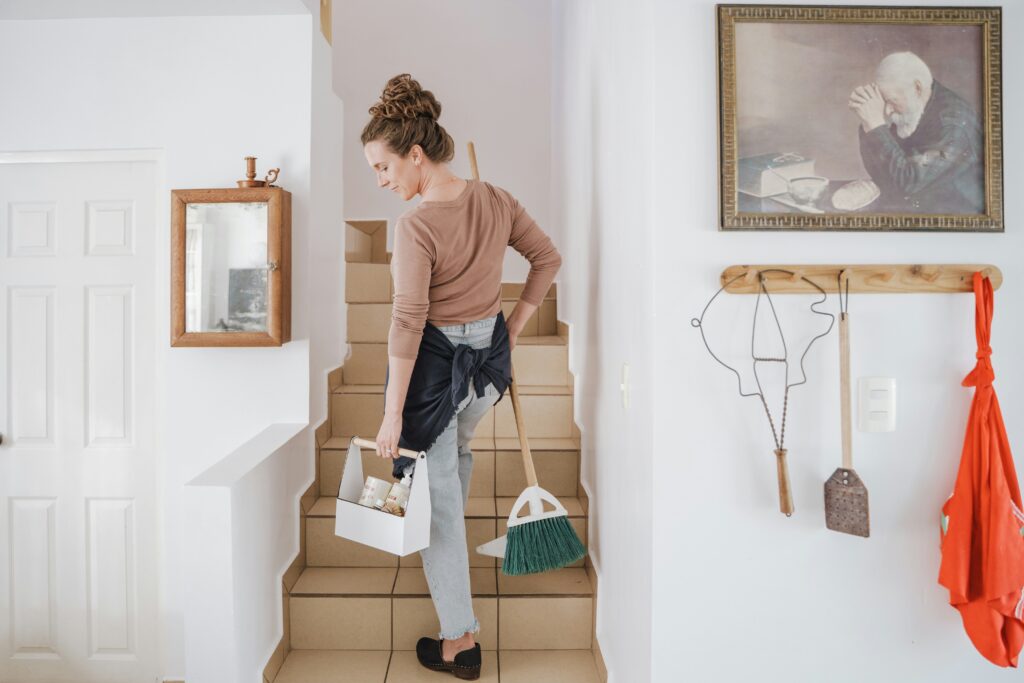
Most pest problems don’t begin with a dramatic event. There’s no single moment when ants or cockroaches decide to move in. Instead, infestations usually build slowly, out of small, repeated habits that quietly turn a home into an easy place for pests to find food, water, and shelter. Understanding these habits is the first step toward keeping a home less appealing to the insects and rodents that thrive in human environments.
Pests are opportunists. They don’t need much to survive, a few crumbs, a damp corner, a stack of boxes, and they’re remarkably good at finding whatever a home has to offer. The good news is that most of the conditions that invite them in are also the easiest to fix once they’re recognized.
Why Homes Become Attractive to Pests in the First Place
Every pest that enters a home is searching for one or more of three things: food, water, or shelter. Ants and cockroaches are drawn to crumbs, spills, and grease residue. Rodents look for accessible food sources and quiet, undisturbed places to nest. Flies are attracted to organic waste and moisture. Pantry pests, such as weevils and moths, often arrive already inside packaged dry goods and then spread once they find more food nearby.
Research from urban entomology programs has consistently shown that cockroach and rodent populations in residential settings correlate closely with sanitation levels and clutter density, rather than with the age or location of the building itself. In other words, it’s not usually the house that invites pests, it’s the daily habits inside it.
Common Habits That Make a Home More Inviting to Pests
Several everyday behaviors, while easy to overlook, create the exact conditions pests are searching for.
Leaving food uncovered. A bowl of fruit left out too long, an open bag of chips, or unwashed pet food dishes all send a strong signal to foraging insects. Ants in particular can detect food sources from a distance using scent trails, and a single unattended crumb can lead to a visible trail within hours.
Letting dishes accumulate in the sink. Dirty dishes hold food residue and moisture at the same time, making them one of the most reliable pest attractants in any kitchen. Cockroaches are especially drawn to the combination of food particles and standing water.
Storing items in cardboard boxes. Cardboard is porous, easy to chew through, and often stored in basements, garages, or closets where it goes undisturbed for long periods. Rodents use it for nesting material, and pantry pests can hide in the folds of boxes that once held dry food.
Ignoring small leaks. A slow drip under a sink or a damp spot near a window may seem minor, but consistent moisture is one of the strongest pest attractants there is. Cockroaches, silverfish, and certain ants all require regular access to water, and a small leak can support an entire colony indefinitely.
Overfilled or infrequently emptied trash bins. Garbage generates odors that travel, especially in warm weather, and it becomes an easy food source for flies and rodents alike.
Clutter in general. Piles of newspapers, unused fabric, or stacked storage bins create dark, undisturbed spaces where pests can hide, breed, and avoid detection.
Simple Changes That Reduce Pest Activity
None of these habits require major renovations to correct. Most can be addressed with small, consistent adjustments to a household’s daily routine:
- Wipe down kitchen counters and stovetops after every meal, not just at the end of the day
- Wash dishes promptly or, at minimum, rinse them and keep them submerged in soapy water
- Store dry goods such as flour, cereal, and pet food in sealed plastic or glass containers rather than their original packaging
- Take out the trash regularly and rinse recycling containers that held food or drink
- Repair dripping faucets, leaking pipes, and condensation issues as soon as they’re noticed
- Reduce cardboard storage by switching to plastic bins with secure lids
- Declutter storage areas periodically so pests have fewer places to hide undisturbed
- Seal small cracks around baseboards, windows, and utility entry points
These changes work because they remove the resources pests depend on. A kitchen with no accessible food, a bathroom with no standing water, and a garage with no cardboard nesting material are more difficult environments for pests to survive in, regardless of the neighborhood or age of the house. When activity continues despite these preventive measures, Mobile pest control professionals can inspect concealed areas and entry points to identify the conditions allowing pests to persist.
When Household Changes Aren’t Enough
Sometimes an infestation persists even after these habits have been corrected. This is more common than many homeowners expect, particularly with pests like German cockroaches or certain rodent species that can establish nests deep within wall voids, behind appliances, or under foundations, places that ordinary cleaning can’t reach. In these cases, the issue usually isn’t a lack of effort but a lack of access to the areas where pests are actually breeding.
This is typically when professional help becomes worthwhile. A mobile pest control provider can identify entry points and nesting sites that aren’t visible during a routine cleaning, and can apply treatments suited to the specific pest involved rather than relying on general-purpose products. Because pest behavior varies significantly by species, a cockroach infestation and a rodent problem call for very different strategies, professional inspection often reveals details a homeowner wouldn’t otherwise catch, such as a hidden moisture source behind a wall or a gap in the foundation that’s gone unnoticed for years.
Choosing a mobile pest control service is generally most useful once basic sanitation and moisture issues have already been addressed. Treating symptoms without correcting the underlying habits tends to produce only temporary results, since pests will simply return once they find the same conditions that attracted them in the first place. Combining consistent household habits with targeted professional treatment, when necessary, tends to produce the most lasting results.
Final Analysis
Pest problems are rarely about bad luck. They’re almost always about consistent access to food, water, and shelter, resources that everyday habits either provide or eliminate. Leaving food out, letting dishes pile up, storing belongings in cardboard, and ignoring small leaks all create low-effort opportunities that ants, cockroaches, rodents, and other pests are quick to exploit.
The encouraging part is that most of these habits are easy to change. Wiping surfaces, sealing food properly, managing trash, fixing leaks, and reducing clutter can significantly lower the chances of an infestation taking hold. When these adjustments aren’t enough on their own, particularly for infestations rooted in hard-to-reach areas, professional pest control can help identify and address the underlying cause more precisely. In most cases, though, the strongest defense against unwanted pests starts with the small, repeatable habits practiced in a home every day.
 Founder & Creative Director
Kylor Dornhaven is the kind of writer who genuinely cannot publish something without checking it twice. Maybe three times. They came to home inspiration headlines through years of hands-on work rather than theory, which means the things they writes about — Home Inspiration Headlines, Interior Trends and Layout Ideas, Essential Living Concepts and Styles, among other areas — are things they has actually tested, questioned, and revised opinions on more than once.
That shows in the work. Kylor's pieces tend to go a level deeper than most. Not in a way that becomes unreadable, but in a way that makes you realize you'd been missing something important. They has a habit of finding the detail that everybody else glosses over and making it the center of the story — which sounds simple, but takes a rare combination of curiosity and patience to pull off consistently. The writing never feels rushed. It feels like someone who sat with the subject long enough to actually understand it.
Outside of specific topics, what Kylor cares about most is whether the reader walks away with something useful. Not impressed. Not entertained. Useful. That's a harder bar to clear than it sounds, and they clears it more often than not — which is why readers tend to remember Kylor's articles long after they've forgotten the headline.
Founder & Creative Director
Kylor Dornhaven is the kind of writer who genuinely cannot publish something without checking it twice. Maybe three times. They came to home inspiration headlines through years of hands-on work rather than theory, which means the things they writes about — Home Inspiration Headlines, Interior Trends and Layout Ideas, Essential Living Concepts and Styles, among other areas — are things they has actually tested, questioned, and revised opinions on more than once.
That shows in the work. Kylor's pieces tend to go a level deeper than most. Not in a way that becomes unreadable, but in a way that makes you realize you'd been missing something important. They has a habit of finding the detail that everybody else glosses over and making it the center of the story — which sounds simple, but takes a rare combination of curiosity and patience to pull off consistently. The writing never feels rushed. It feels like someone who sat with the subject long enough to actually understand it.
Outside of specific topics, what Kylor cares about most is whether the reader walks away with something useful. Not impressed. Not entertained. Useful. That's a harder bar to clear than it sounds, and they clears it more often than not — which is why readers tend to remember Kylor's articles long after they've forgotten the headline.