Ever walk into a room and feel like you’re under a spotlight? That harsh, single overhead light just flattens everything, right? It’s a common problem, making rooms feel dull and uninviting.
But here’s the thing: there’s a simple fix. By using layered lighting techniques, you can transform any space into something functional and inviting. I’m talking about techniques used by pros to create those stunning, prize-worthy interiors you envy.
And it’s easier than you think.
You’ll learn to blend ambient, task, and accent lighting seamlessly, making your home look great but feel amazing too. Why trust this guide? Because it’s grounded in tried-and-true design principles.
Stick around, and by the end, you’ll master the art of multi-level lighting methods. Your rooms will thank you.
Multi-Level Lighting: Beyond a Single Bulb
Let me tell you about multi-level lighting. It’s the magic of using various light sources at different heights. Think about painting a picture.
One flat color? Boring. But with layered light, you get depth, highlights, and shadows.
Doesn’t that sound more interesting?
Why should you bother? It helps eliminate those annoying harsh shadows and dark corners. A room suddenly feels bigger, more welcoming.
And it’s not just about size. Layered lighting techniques add visual interest. Your home’s best features?
They get highlighted. Who doesn’t want their home’s charm on display?
Here’s the kicker: it improves functionality. Cooking? Relaxing?
Doesn’t matter. You can tailor the light to fit the mood or activity. Complete control over mood and ambiance?
Yes, please.
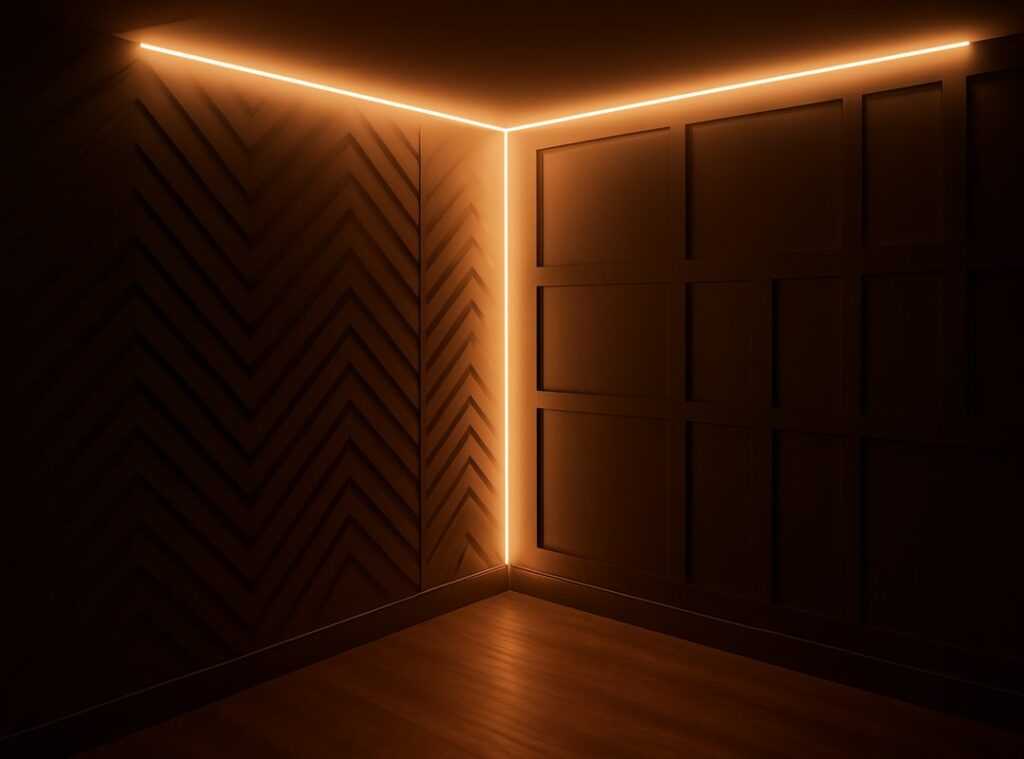
And speaking of style, have you considered how accent walls can make bold statements in a room? They work perfectly with layered light.
Pro tip: Mix and match light sources. Floor lamps, pendant lights, and table lamps can all play a part. Experiment.
You might be surprised how much a few changes can transform a space. Remember, it’s all about creating an environment that feels right. Balanced, flexible, beautiful.
Light It Up: The 3 Important Layers of Light
Lighting isn’t just about flipping a switch. It’s an art and a science. You want a space that feels right?
You need layered lighting techniques. These are the building blocks of any good lighting plan. Let’s break this down.
First, Ambient Lighting. This is your base, your foundation. It’s the light that fills your room with a soft, diffused glow.
Imagine chandeliers, flush-mount ceiling fixtures, recessed lighting, or even modern track lighting. You need it to see where you’re going without tripping over the dog. Without it, everything feels flat.
Think of it as the background music in a movie. Not the star, but it sets the scene.
Next up, Task Lighting. This is the workhorse. It’s focused, brighter, and functional.
You want to read a book? You need task lighting. Cooking in the kitchen?
Same deal. Under-cabinet lights on kitchen counters, a floor lamp by that cozy reading chair, pendants over a kitchen island, or a desk lamp for your workspace are all great examples. They help you get stuff done without straining your eyes.
It’s not just important; it’s necessary.
Lastly, Accent Lighting. This is the showstopper. It’s dramatic and all about drawing attention to specific features.
Think about artwork, architectural details, or even a beautiful plant. Accent lighting adds style and personality. Picture lights, track lighting aimed at a fireplace, or uplighting a large houseplant can transform a space.
It’s the spotlight on your home’s best features (literally).
Want more depth on these techniques? Check out this resource. It’s packed with takeaways.
Remember, lighting isn’t just functional. It’s emotional. It changes how a space feels.
So, layer it right. Make your home glow.
Lighting Recipes: Crafting the Perfect Atmosphere
Let’s talk lighting. It’s not just about flipping a switch. It’s about transforming spaces.

You want your home to look and feel right, right? I’m here to help you master layered lighting techniques (trust me, they make a world of difference).
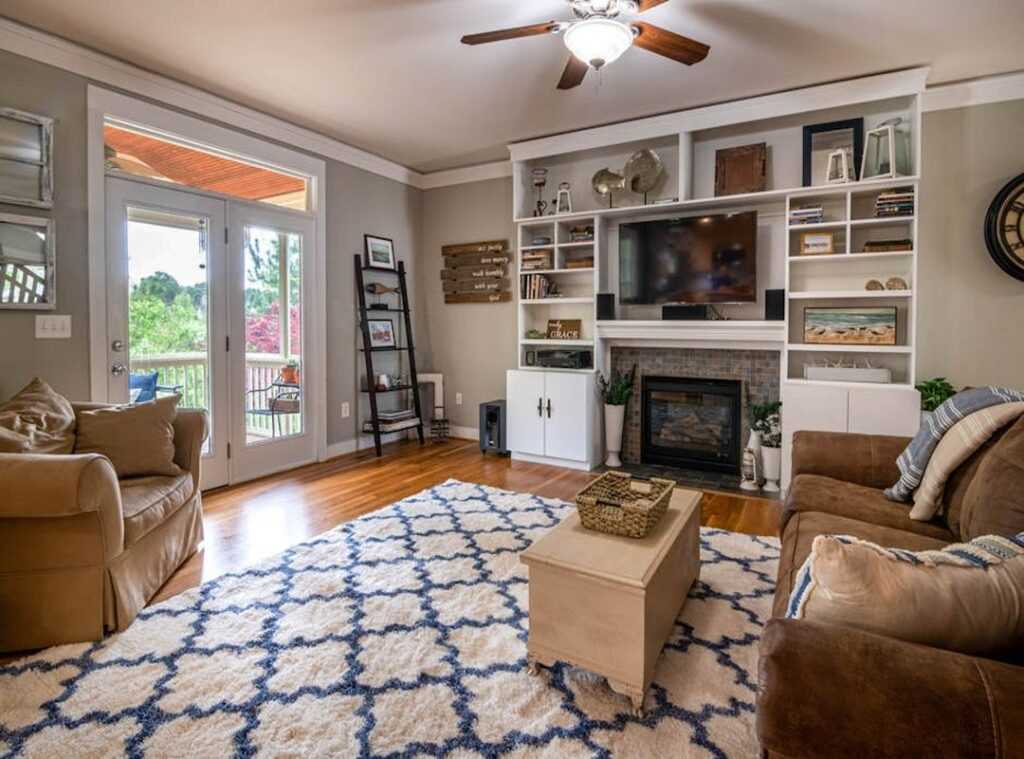
In the living room, flexibility is key. You want a space that adapts to whatever mood you’re feeling. Start with ambient lighting.
A central chandelier or recessed lights on a dimmer switch set the tone. But that’s not enough. You need task lighting too.
A stylish floor lamp next to the sofa is perfect for those nights you dive into a good book. Add a table lamp on a side table for balance. Accent lighting is the secret sauce.
Picture a spotlight on a piece of art or a warm uplight behind furniture. Speaking of art, if you’re thinking about creating focal points wall art, lighting plays a huge role.
Now, the kitchen. It’s where function meets ambiance. You’ve got to get this right.
Overhead recessed lights provide the ambient glow you need. But here’s the kicker: task lighting under your cabinets. Non-negotiable.
LED strips light up your countertops like a pro chef’s kitchen. And don’t forget pendant lights over the island. They’re not just functional; they add style.
For a little extra flair, try accent lighting inside glass-front cabinets to show off your glassware.
The bedroom? It should be your serene retreat. You deserve it.
Start with ambient lighting. A central fixture or ceiling fan with a dimmable light creates the perfect mood. Task lighting is key here.
Matching bedside table lamps or wall-mounted sconces for reading are a must. Lastly, accent lighting (subtle but effective). A low-wattage lamp on your dresser casts a soft, inviting glow.
Pro tip: Use dimmers wherever you can. You’ll thank me later when you can adjust the mood with a flick of the switch. Remember, lighting can change everything.
Get it right, and your home will feel like a sanctuary.
Designer Secrets & Common Mistakes to Avoid
Let’s cut to the chase. Dimmer switches are the non-negotiable secret weapon in layered lighting techniques. You want to control the mood?
You install dimmers. Everywhere. Especially on ambient sources.
It’s like giving your lights a volume knob (key) to keep things from being a blazing airport runway right in your living room.
Now, on to bulb temperature. We’re talking about the feel of your room here. Warm white light (around 2700K to 3000K) is where the magic happens in living areas and bedrooms.
It’s cozy. It’s inviting. It’s like your room is wrapped in a giant, welcoming hug.
And speaking of airport runways, don’t line up recessed lights like they’re ushering in a 747. It’s a rookie mistake. Cluster them over seating or let them wash over walls.
Trust me, it’s less “landing strip,” more “living space.”
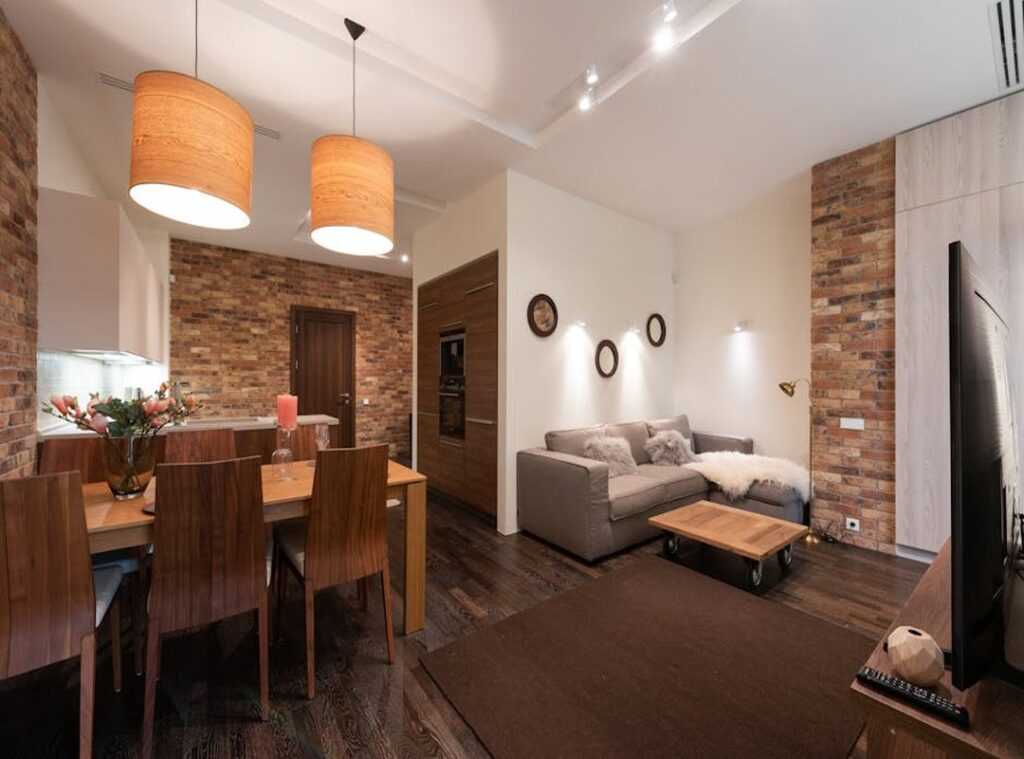
Finally, mix it up. Use a variety of fixture heights. Ceiling lights, table lamps, floor lamps: they all have a role.
A mix keeps the eye moving, adds depth, and let’s be honest, it’s just more interesting. Don’t settle for boring. Use these tricks to design spaces that feel as good as they look.
Explain Your Space with Smart Lighting
Tired of your flat, poorly lit space? You deserve better. With layered lighting techniques, you have the tools to craft inviting, functional rooms.
This week, try adding just one task lamp to your favorite reading spot. Notice the change? See how it transforms your space.
Lighting isn’t just a necessity; it’s a key part of your home design. Ready to start? Dive into more lighting strategies at livpristhouse.com and raise your home’s atmosphere.
 Home Optimization Specialist & Content Strategist
Ask Patricia Pickardaycare how they got into essential living concepts and styles and you'll probably get a longer answer than you expected. The short version: Patricia started doing it, got genuinely hooked, and at some point realized they had accumulated enough hard-won knowledge that it would be a waste not to share it. So they started writing.
What makes Patricia worth reading is that they skips the obvious stuff. Nobody needs another surface-level take on Essential Living Concepts and Styles, Prize-Worthy Room Design Techniques, Home Inspiration Headlines. What readers actually want is the nuance — the part that only becomes clear after you've made a few mistakes and figured out why. That's the territory Patricia operates in. The writing is direct, occasionally blunt, and always built around what's actually true rather than what sounds good in an article. They has little patience for filler, which means they's pieces tend to be denser with real information than the average post on the same subject.
Patricia doesn't write to impress anyone. They writes because they has things to say that they genuinely thinks people should hear. That motivation — basic as it sounds — produces something noticeably different from content written for clicks or word count. Readers pick up on it. The comments on Patricia's work tend to reflect that.
Home Optimization Specialist & Content Strategist
Ask Patricia Pickardaycare how they got into essential living concepts and styles and you'll probably get a longer answer than you expected. The short version: Patricia started doing it, got genuinely hooked, and at some point realized they had accumulated enough hard-won knowledge that it would be a waste not to share it. So they started writing.
What makes Patricia worth reading is that they skips the obvious stuff. Nobody needs another surface-level take on Essential Living Concepts and Styles, Prize-Worthy Room Design Techniques, Home Inspiration Headlines. What readers actually want is the nuance — the part that only becomes clear after you've made a few mistakes and figured out why. That's the territory Patricia operates in. The writing is direct, occasionally blunt, and always built around what's actually true rather than what sounds good in an article. They has little patience for filler, which means they's pieces tend to be denser with real information than the average post on the same subject.
Patricia doesn't write to impress anyone. They writes because they has things to say that they genuinely thinks people should hear. That motivation — basic as it sounds — produces something noticeably different from content written for clicks or word count. Readers pick up on it. The comments on Patricia's work tend to reflect that.