
You just spilled red wine on the rug.
Guests arrive in 47 minutes.
Or your dog decided the living room carpet was a bathroom.
And now it smells like wet basement and regret.
I’ve cleaned carpets for over a decade. Not just a few houses. Thousands.
Homes, offices, hotels (every) fiber type, every stain, every stink.
Most people reach for the same spray bottle or rent a machine that just pushes dirt deeper. That’s why stains reappear. Why odors get worse.
Why fibers wear out fast.
This isn’t another vague “mix vinegar and baking soda” post.
This is a real How to Clean a Carpet Livpristwash guide. One that tells you which method works when, and when to stop pretending you can fix it yourself.
I’ll show you how to match technique to problem. Not guess. Not hope.
When steam works. When dry cleaning wins. When extraction is your only shot.
And yes. I’ll tell you exactly when to call Livpristwash instead of wasting time.
You want clean. You want safe. You want it to last.
That’s what this guide delivers.
Carpet Fibers Don’t Lie (But) Your Cleaner Might
I’ve seen wool shrink into a pancake. Saw polyester turn crunchy from over-drying. Watched olefin repel water like it’s personal.
Nylon absorbs moisture fast. Great for hot water extraction, if you control the heat. Polyester holds dye well but melts under high temps.
Olefin? It’s hydrophobic. Water just sits on top.
Wool is delicate. Heat + moisture = shrinkage or bleeding. Always.
You think your carpet is “just carpet.” It’s not. It’s chemistry in fiber form.
That’s why I test before I clean. Rub a corner between fingers. Sniff it.
Hold it to light. Wool feels springy and smells earthy. Nylon squeaks slightly.
Polyester feels slick. Olefin feels waxy.
Misidentify wool as nylon once? You’ll get browning that no cleaner fixes. Happened to a client last month.
They used steam on what they thought was nylon. It was wool. The browning set in 48 hours.
Permanent.
How to Clean a Carpet this article starts with knowing what you’re touching (not) guessing.
The Livpristwash method works because it skips aggressive heat and excess water. It’s built for mixed-fiber homes. Not every job needs boiling water and suction.
Hot water extraction? Great for nylon. Terrible for wool.
Encapsulation? Safe for wool. Weak on ground-in grease in nylon.
Here’s what I actually use:
| Fiber | Best Method | Avoid |
|---|---|---|
| Nylon | Hot water extraction | Encapsulation only |
| Polyester | Low-moisture bonnet | Steam cleaning |
| Olefin | Dry compound | Hot water extraction |
| Wool | Encapsulation | Hot water extraction |
Skip the guesswork. Touch first. Clean second.
Carpet Cleaning: Which Method Actually Works?
Dry compound cleaning is dry compound cleaning. I use it when a client needs a fast refresh in a low-traffic office hallway. No wetness.
No wait. Just sprinkle, brush, vacuum. Dwell time?
Ten minutes. Not more. Not less.
If you let it sit too long, the compound dries out and stops grabbing dirt.
Bonnet cleaning is not deep cleaning. It’s a surface wipe (like) wiping a dusty table with a damp cloth. I’ve seen people use it every week.
That’s bad. It shreds carpet fibers over time. Ask yourself: Is this carpet actually dirty.
Or just dull?
Hot water extraction? That’s the real deal for heavy soil. Water at 120. 140°F.
Pressure between 300 (500) PSI. Too hot? You’ll set stains.
Too cold? You’ll leave residue. I once pulled up a rug after a botched job (sticky) backing, mold underneath.
Don’t be that person.
Low-moisture encapsulation works best in lobbies and hallways with constant foot traffic. The polymer crystals trap dirt as they dry. Then you vacuum them up.
Humidity matters. Below 40% RH? Crystals form fast.
Above 60%? They stay gummy. That’s why it fails in humid basements.
Is your carpet heavily soiled? Yes → skip bonnet. Go straight to hot water extraction.
No → dry compound or encapsulation will save you time and wear.
How to Clean a Carpet Livpristwash starts with picking the right method. Not the flashiest one. Most people pick wrong because they confuse speed with effectiveness.
I’ve watched three “quick clean” jobs turn into full replacements inside six months.
Pro tip: Always test a corner first. Even if the label says “safe.”
I go into much more detail on this in Home washing advice livpristwash.
Carpet dye lots vary. So do cleaning chemicals.
Your eyes are better than any brochure.
Pre-Treatment Essentials: Skip This, and You’re Done
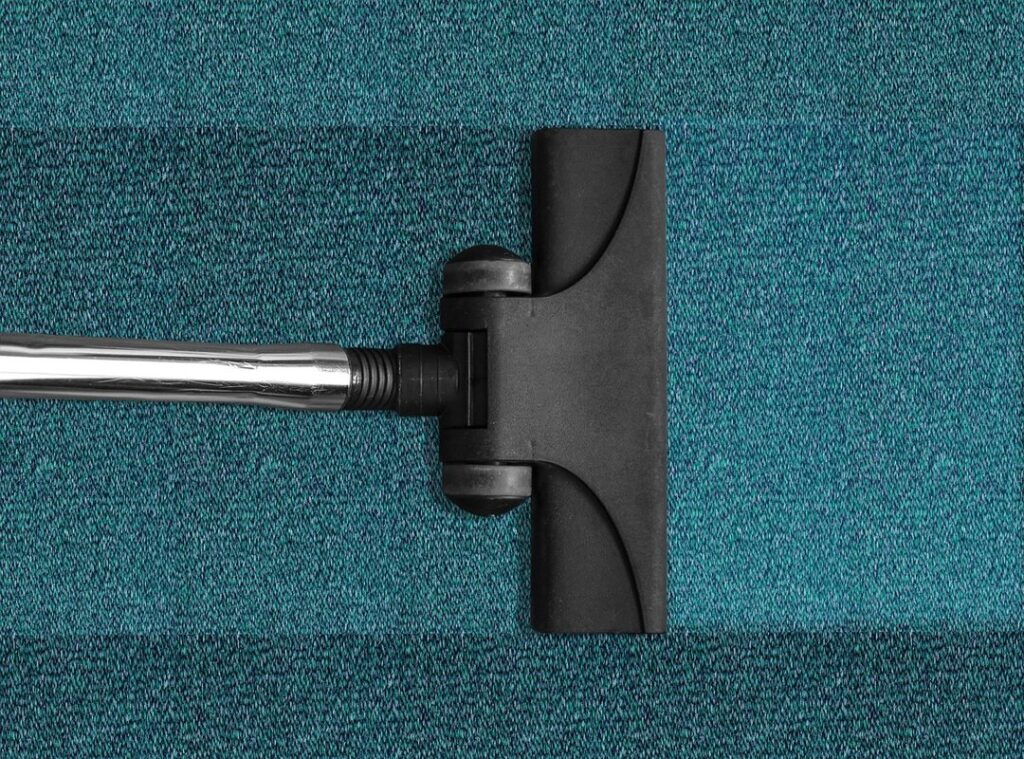
I vacuum first. Always. With a HEPA filter (not) the flimsy bagless kind that just blows dust around.
If you skip this step, you’re laying moisture on top of a dust cake. That dust gets trapped. Then it re-soils in 48 hours.
And yes, microbes love that damp sandwich.
Spot test every time. Even if you’ve used the solution a hundred times. Your carpet’s pH changes with humidity, cleaning history, even pet traffic.
I’ve ruined a $200 rug by assuming.
Underlying issues? Urine salts. Adhesive residue.
Old wax buildup. If you don’t ID those, you’re just scrubbing the surface. The stain comes back.
Stronger.
Enzyme-based odor removers need 5 minutes to work. Not 3. Not “until it looks wet.” Five full minutes.
Set a timer.
Protein-based stains? Give them 10+ minutes. Let the solution dwell.
Don’t rush it. Patience isn’t optional here.
Over-wetting is the #1 mistake I see. Mist (don’t) soak. Then blot excess with microfiber before moving on.
That’s how you avoid wicking, mold risk, and that weird sour smell three days later.
Home Washing Advice Livpristwash has exact dilution ratios for common solutions. Use it.
How to Clean a Carpet Livpristwash starts here, not at the machine.
You think your vacuum’s fine? Check the filter. Right now.
Drying Right: The 24-Hour Rule Is Non-Negotiable
I’ve seen too many carpets ruined by waiting.
That first 24-hour window is real. Not a suggestion. Not negotiable.
If moisture sits longer, mold spores wake up and start growing. Wicking pulls dirt back up from the padding. Both happen silently.
Industrial air movers move air (fast.) Household fans? Most move less than 1,000 CFM. You need at least 1,800 CFM.
Place them 12 inches from the carpet surface. Angle them slightly. Don’t point straight down (it just pushes water sideways).
Dehumidifiers cut drying time by 30 (50%) in humid areas. I’ve timed it. RH above 60% slows evaporation.
Keep it between 30 (50%.) That’s the sweet spot.
Smell musty after 48 hours? That’s wicking or incomplete extraction. Fibers stiff to the touch?
Detergent residue. Dark patches near baseboards? Moisture trapped in the padding (not) the carpet.
You don’t get a second chance with this.
How to Clean a Carpet Livpristwash means nothing if you skip drying right.
If you’re switching surfaces, how to wash laminate floors Livpristwash is a solid next step.
Clean Your Carpet Right. Not Just Fast
I’ve shown you how to clean a carpet without wrecking it. Fiber type. Soil level.
Room conditions. Experts check all three. And so should you.
How to Clean a Carpet Livpristwash starts there. Not with guesswork. Not with steam-happy shortcuts.
Grab the free technique selector chart. Or book your no-cost fiber and condition assessment now.
Your carpet isn’t just cleaned. It’s cared for.
 Home Optimization Specialist & Content Strategist
Ask Patricia Pickardaycare how they got into essential living concepts and styles and you'll probably get a longer answer than you expected. The short version: Patricia started doing it, got genuinely hooked, and at some point realized they had accumulated enough hard-won knowledge that it would be a waste not to share it. So they started writing.
What makes Patricia worth reading is that they skips the obvious stuff. Nobody needs another surface-level take on Essential Living Concepts and Styles, Prize-Worthy Room Design Techniques, Home Inspiration Headlines. What readers actually want is the nuance — the part that only becomes clear after you've made a few mistakes and figured out why. That's the territory Patricia operates in. The writing is direct, occasionally blunt, and always built around what's actually true rather than what sounds good in an article. They has little patience for filler, which means they's pieces tend to be denser with real information than the average post on the same subject.
Patricia doesn't write to impress anyone. They writes because they has things to say that they genuinely thinks people should hear. That motivation — basic as it sounds — produces something noticeably different from content written for clicks or word count. Readers pick up on it. The comments on Patricia's work tend to reflect that.
Home Optimization Specialist & Content Strategist
Ask Patricia Pickardaycare how they got into essential living concepts and styles and you'll probably get a longer answer than you expected. The short version: Patricia started doing it, got genuinely hooked, and at some point realized they had accumulated enough hard-won knowledge that it would be a waste not to share it. So they started writing.
What makes Patricia worth reading is that they skips the obvious stuff. Nobody needs another surface-level take on Essential Living Concepts and Styles, Prize-Worthy Room Design Techniques, Home Inspiration Headlines. What readers actually want is the nuance — the part that only becomes clear after you've made a few mistakes and figured out why. That's the territory Patricia operates in. The writing is direct, occasionally blunt, and always built around what's actually true rather than what sounds good in an article. They has little patience for filler, which means they's pieces tend to be denser with real information than the average post on the same subject.
Patricia doesn't write to impress anyone. They writes because they has things to say that they genuinely thinks people should hear. That motivation — basic as it sounds — produces something noticeably different from content written for clicks or word count. Readers pick up on it. The comments on Patricia's work tend to reflect that.